Bhubaneswar sightseeing by cab
Places to visit in Bhubaneswar, and the order to see them
Start with the Old Town temples in the morning (Lingaraj, Mukteswar, Raja Rani), then the Udayagiri and Khandagiri caves and Dhauli's peace pagoda. Give Konark's Sun Temple and the Jagannath Temple in Puri a day of their own: about 160 km by cab, leaving at 06:30. A third day adds Nandankanan Zoo and the Chausath Yogini temple at Hirapur.
20 placesroutes from road routing, timed against opening hours
How many days do you need?
Each plan is a real route by cab, timed against opening hours.
© OpenStreetMap contributors
1 day
Old Town temples, the caves and Dhauli
7 places · 42 km by cab
See the plan →© OpenStreetMap contributors
Most people
2 days
Old Town temples, the caves and Dhauli · Konark Sun Temple and Puri
12 places · 202 km by cab
See the plan →© OpenStreetMap contributors
3 days
Old Town temples and the museums · Konark Sun Temple and Puri · Nandankanan, the caves, Dhauli and Hirapur
18 places · 260 km by cab
See the plan →Cab for Bhubaneswar sightseeing
Call or message a local Bhubaneswar operator with this plan. Tell them your hotel and dates, and they send a price for the car and driver.
Full day, 8 h / 80 kmSedan, SUV or InnovaPrice from the operator
Opening times of Bhubaneswar's top sights
With the best time to go and how long to stay.
| Place | Open | Best time | Visit |
|---|---|---|---|
| Lingaraj Temple | About 06:00 to 21:00; several listings give a midday break of about 12:30 to 15:30, so go in the morning. Only Hindus may go inside? | First thing in the morning, before the crowds. | 1 h |
| Ananta Vasudeva Temple and Bindu Sagar | A working temple with no published hours; go in the morning. Bindu Sagar lake is open all day? | In the morning, after Lingaraj. | 30 min |
| Parasurameswar Temple | About 06:30 to 19:30; one listing gives a break from 13:30 to 15:30. Free? | In the morning. | 25 min |
| Mukteswar and Siddheswar Temples | About 06:30 to 19:30 every day. Free | In the morning, with the other old-town temples. | 40 min |
| Raja Rani Temple | About 07:00 to 17:00 (listings give 06:00 to 19:30 at the widest). ASI ticket | Late morning, when the sun lights the carvings. | 30 min |
| Brahmeswar Temple | Open in daylight; one listing gives 05:00 to 21:00. Free? | Before lunch, after Raja Rani. | 25 min |
| Odisha State Museum | 10:00 to 17:00, tickets until 16:30. Closed Mondays (one source says the 2nd and 4th Saturdays too). Small ticket | Late morning, when it opens. | 1 h 15 min |
| Museum of Tribal Arts and Artefacts | 10:00 to 17:00 (the official page says 17:30). Closed Mondays and Odisha government holidays. Free | In the afternoon. | 1 h |
| Udayagiri and Khandagiri Caves | About 09:00 to 17:30 every day (listings give later closing). Udayagiri has an ASI ticket, bought online by QR code; Khandagiri is free | In the afternoon, when the low sun lights the carvings. | 1 h 30 min |
| Ekamra Haat | About 10:00 or 11:00 to 20:00 or 21:00 | In the late afternoon or evening. | 45 min |
All 20 places to visit in Bhubaneswar
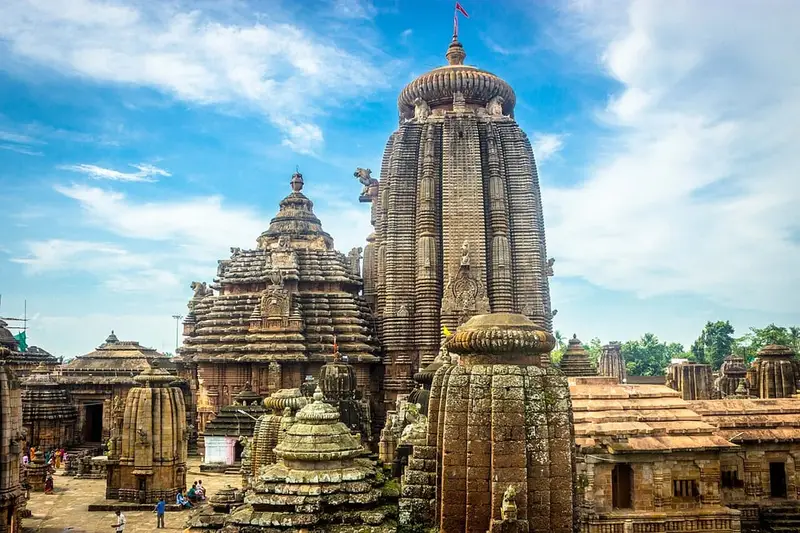

Lingaraj Temple
1 hThe biggest temple in Bhubaneswar, built about 1,000 years ago for Shiva. Its main tower is 55 metres tall, and the walled yard holds more than 100 smaller shrines. It is still a busy working temple, with priests, bells and pilgrims from dawn.
In the 1-day plan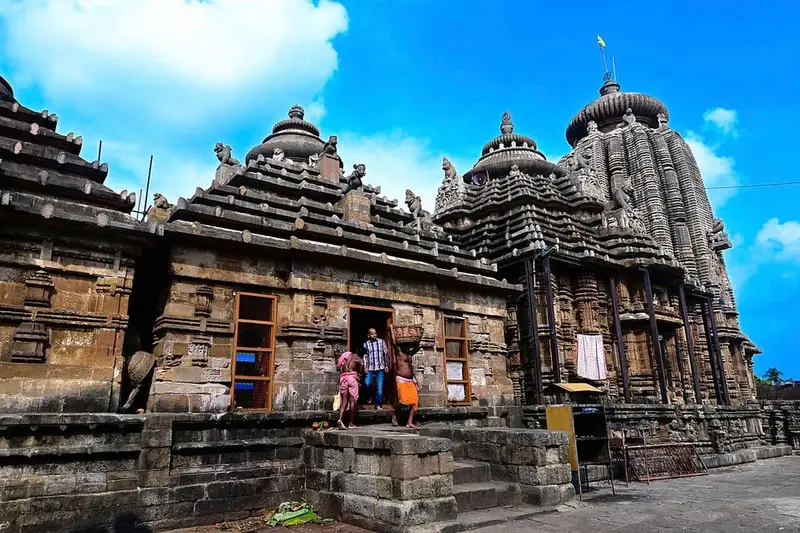

Ananta Vasudeva Temple and Bindu Sagar
30 minOne of the few temples in the old town for Vishnu, not Shiva. Its big kitchen cooks food offerings that pilgrims eat as a blessing. Bindu Sagar, the large stone-stepped lake beside it, is said to hold drops of water from every holy river in India.
Day 1 of the 3-day plan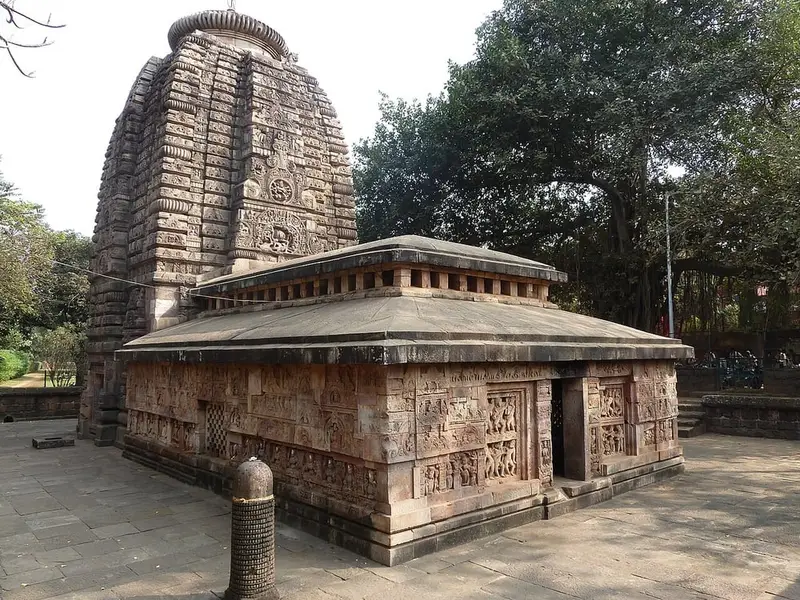

Parasurameswar Temple
25 minOne of the oldest temples in town, from about the 600s. It is small and low, which is how the first Odisha temples looked before the towers grew tall. The walls are covered with carvings of gods, dancers and musicians.
In the 1-day plan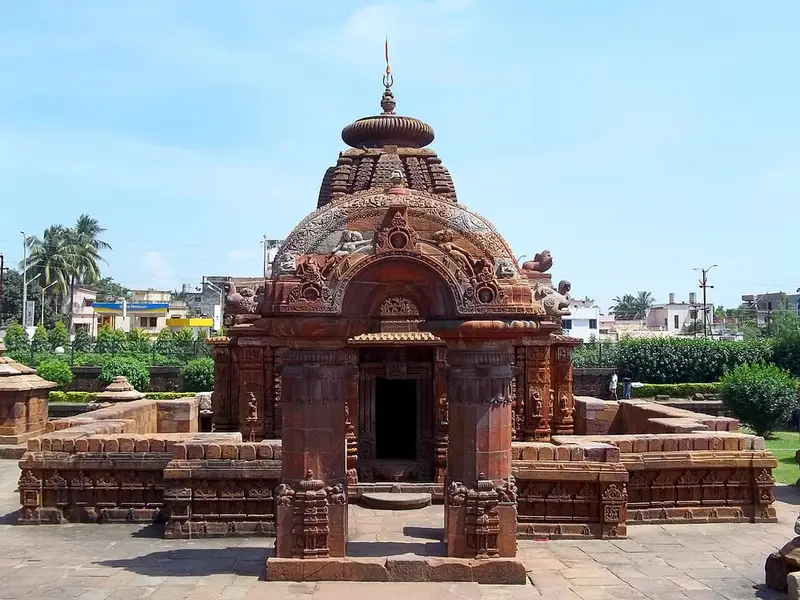

Mukteswar and Siddheswar Temples
40 minA small temple from about 950 that people call the jewel of Odisha temples. Its stone gateway, an arch carved like a garland, is the best-known sight in Bhubaneswar. Siddheswar, a plainer temple, stands in the same yard, and Kedar Gouri is across the road.
In the 1-day plan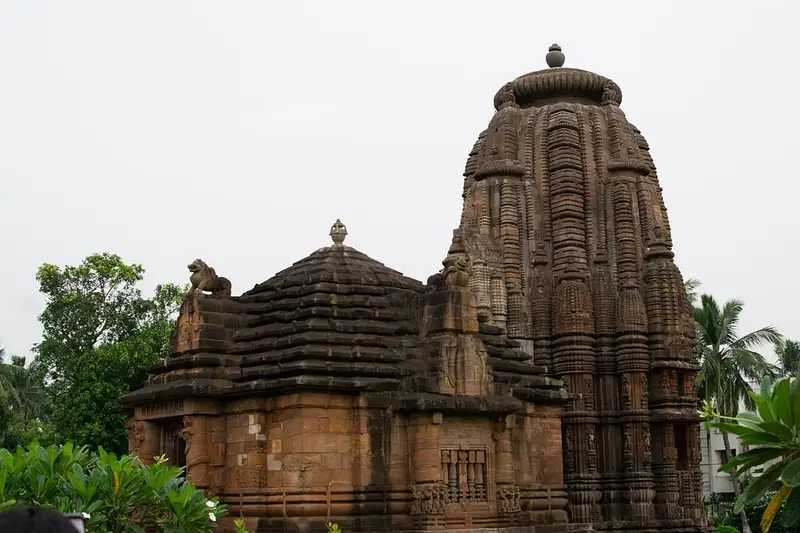

Raja Rani Temple
30 minA temple from about 1000 in a quiet lawn, made of a red and gold sandstone the locals call raja rani, which gave it its name. No god is worshipped here now, so you can walk right round it and look closely at the carved women, guardians and lions.
In the 1-day plan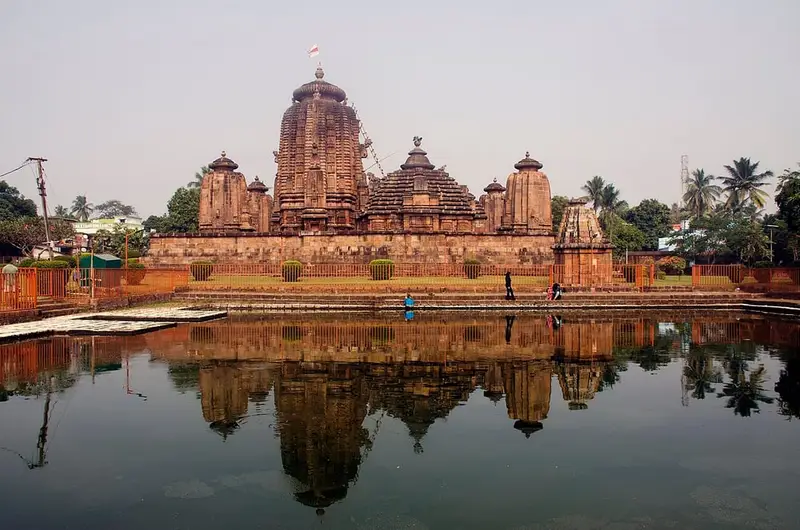

Brahmeswar Temple
25 minA Shiva temple from about 1050 with four small shrines at the corners of its yard. It is quieter than Lingaraj and its walls are full of carved musicians, dancers and animals.
Day 1 of the 3-day plan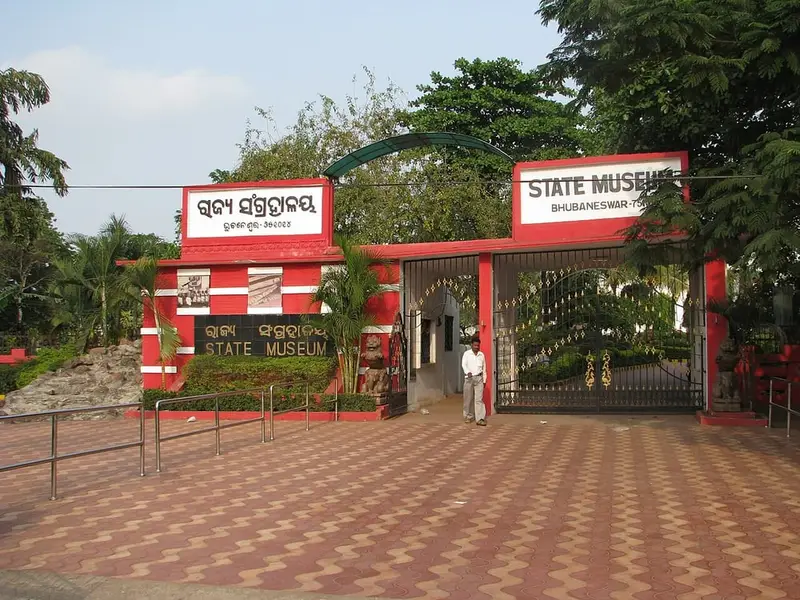

Odisha State Museum
1 h 15 minThe state's main museum, with stone carvings taken from old temples, Buddhist and Jain statues, coins and weapons. The best room holds old palm-leaf books, where the writing and pictures were scratched into dried leaves.
In the 1-day plan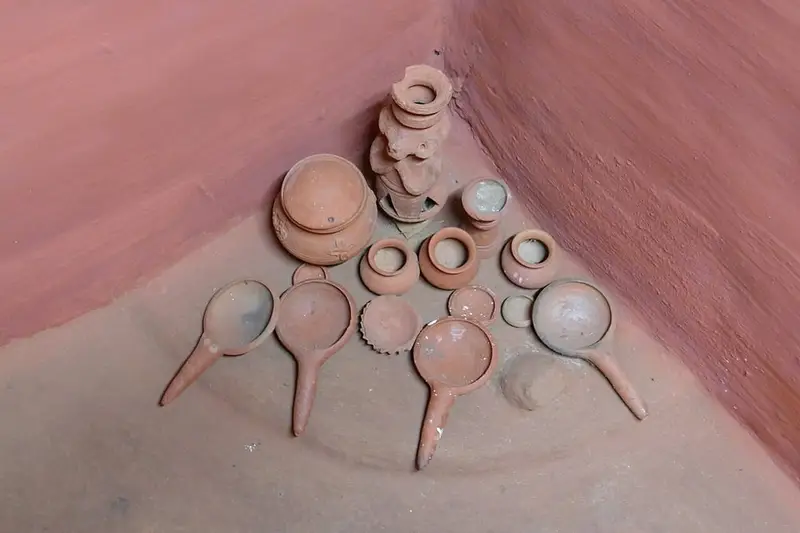

Museum of Tribal Arts and Artefacts
1 hA free museum about Odisha's 62 tribes: their clothes, jewellery, hunting tools, musical instruments and painted walls. Full-size huts stand in the garden, built the way each tribe builds them.
Day 1 of the 3-day plan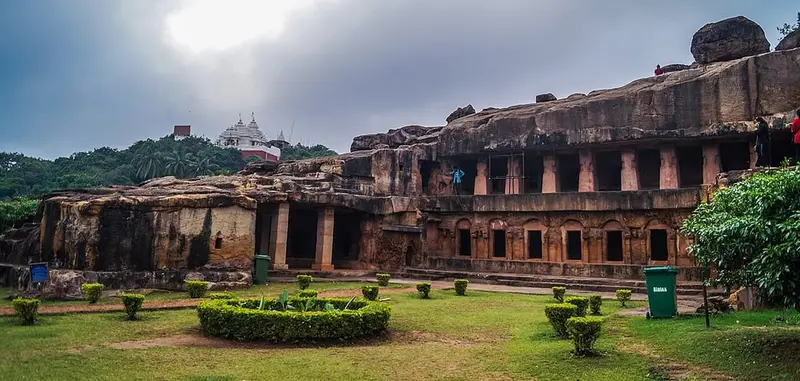

Udayagiri and Khandagiri Caves
1 h 30 minTwo rocky hills facing each other across the road, with rooms cut into the rock for Jain monks over 2,000 years ago. Rani Gumpha, the queen's cave, has two floors and long carved scenes. Hathi Gumpha has an inscription by King Kharavela, one of the oldest records of Odisha's history.
In the 1-day plan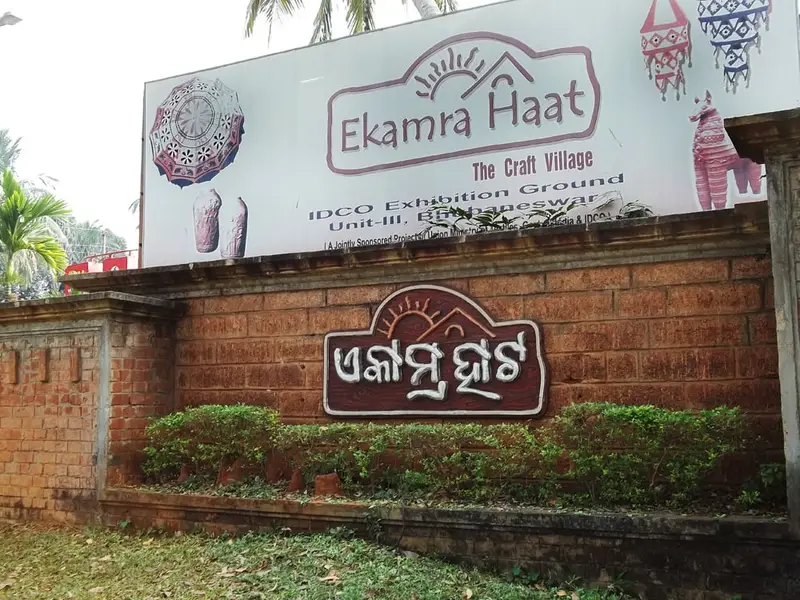

Ekamra Haat
45 minA shady craft market where artisans from across Odisha sell their own work: Sambalpuri and ikat cloth, silver filigree from Cuttack, palm-leaf pictures, stone carvings and appliqué from Pipli.
Day 1 of the 3-day plan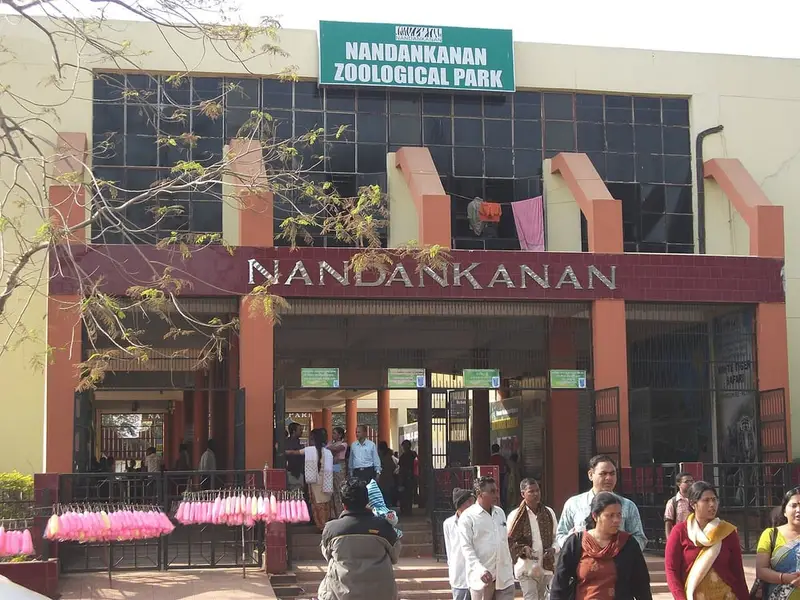

Nandankanan Zoological Park
3 hA big zoo in a forest by a lake, known for its white tigers and for breeding gharials, the long-nosed river crocodiles. It also has a lion and tiger safari by bus, a botanical garden across the lake and a ropeway between the two.
Day 3 of the 3-day plan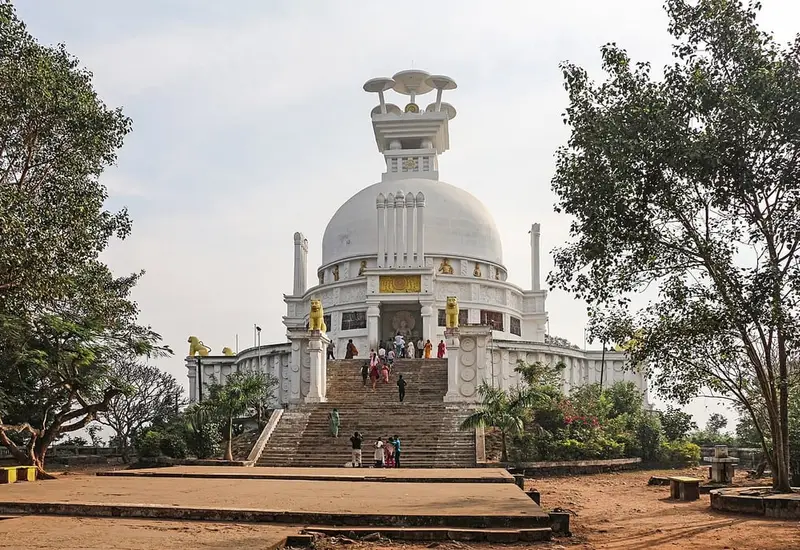

Dhauli Shanti Stupa
45 minA white peace pagoda on the hill where, the story goes, the Kalinga war was fought about 2,260 years ago. Emperor Ashoka saw the dead on this field and turned to Buddhism. Below the hill, his orders are carved on a rock, with an elephant cut out of the stone above them.
In the 1-day plan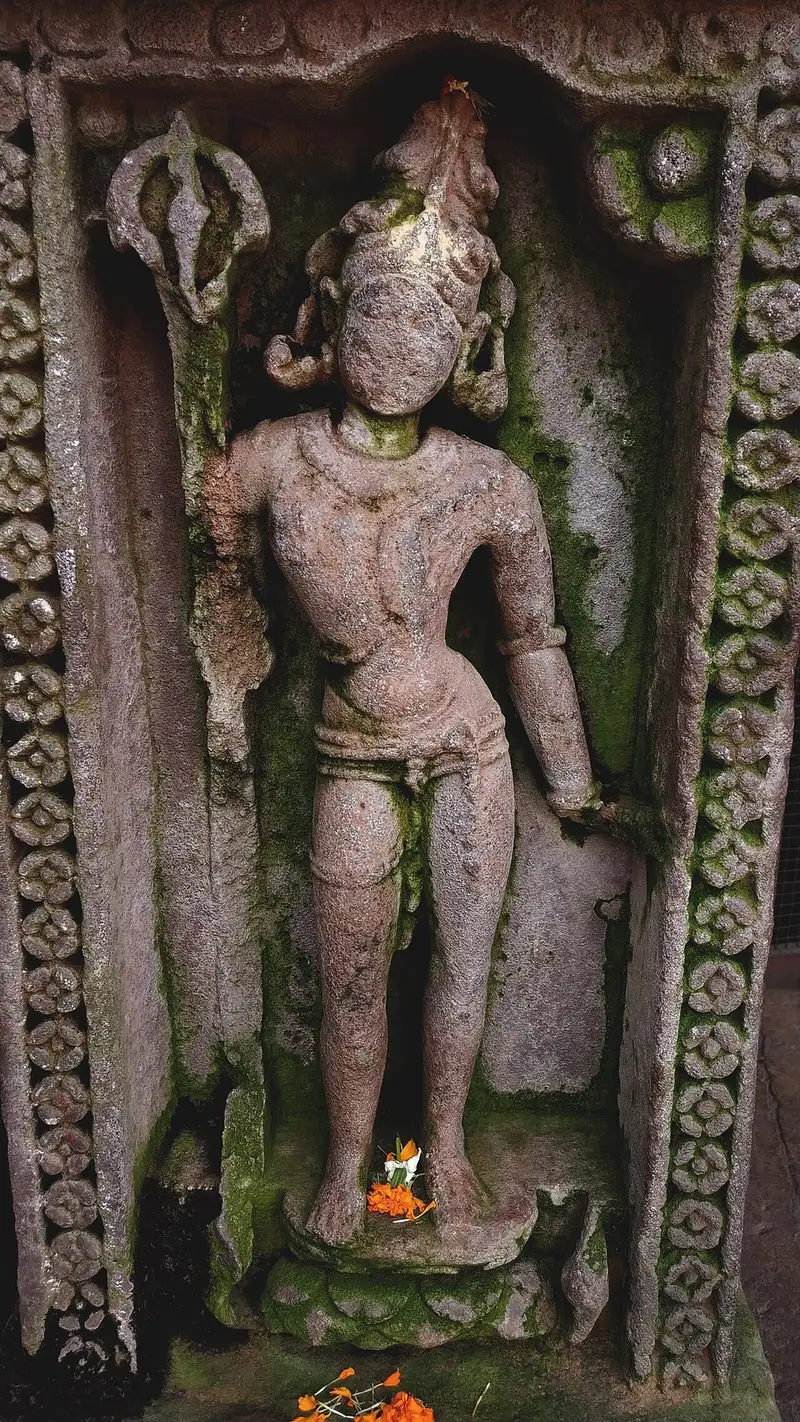

Chausath Yogini Temple, Hirapur
30 minA small round temple with no roof in a village among paddy fields. Inside the circle stand 64 stone goddesses, the yoginis, each a little different. It is one of only a few temples like it in India, and it is about 1,100 years old.
Day 3 of the 3-day plan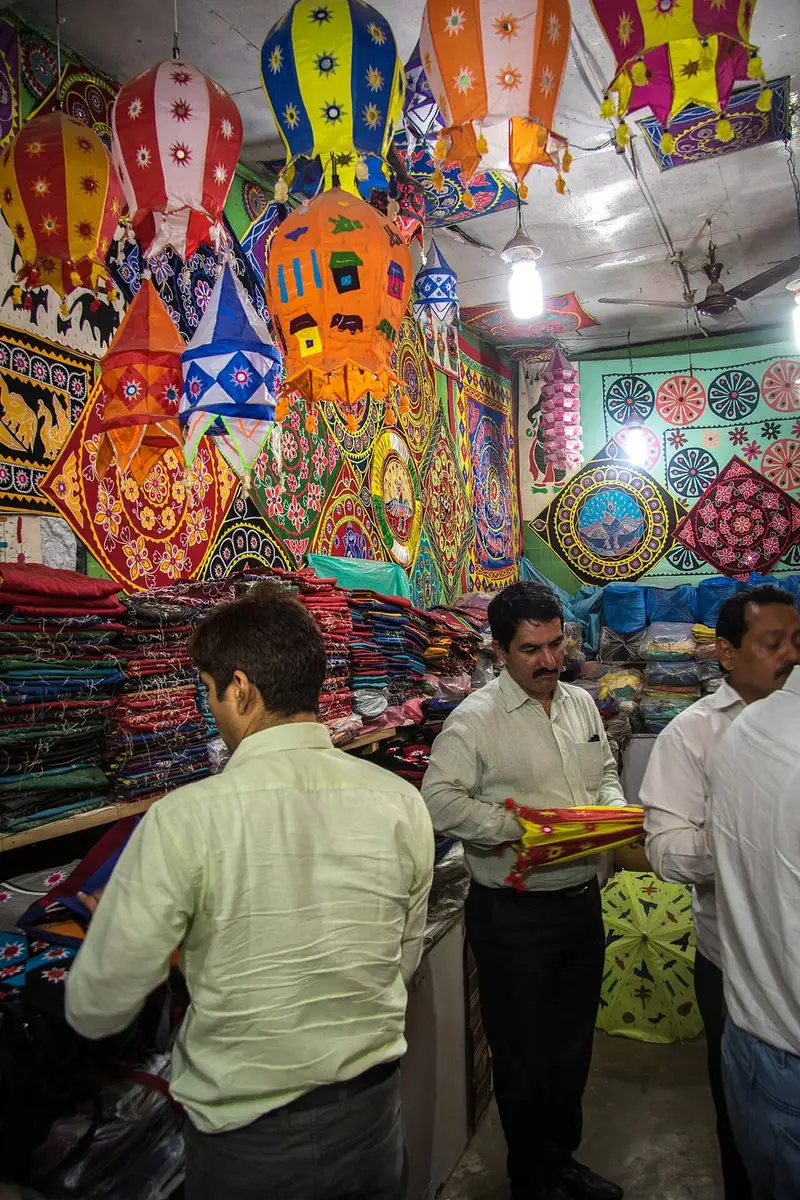

Pipli
30 minA town on the Puri road where almost every shop sells appliqué: bright cloth shapes stitched onto a plain base, made into lamp shades, umbrellas, bags and wall hangings. The craft began as canopies for the chariots of the Puri Rath Yatra.
Day 2 of the 2-day plan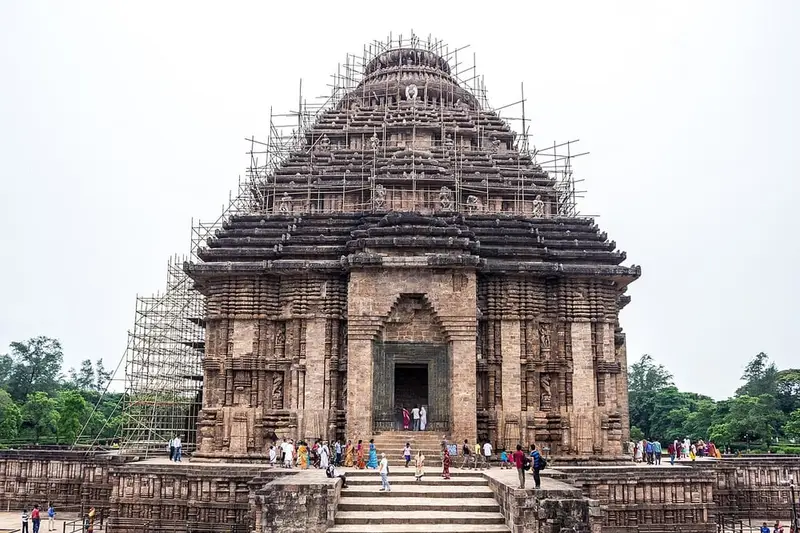

Konark Sun Temple
1 h 45 minA temple built about 1250 as the chariot of the Sun god, with 24 carved stone wheels and seven horses pulling it. The great tower fell long ago; the hall in front still stands. The wheels work as sundials, and the walls are covered with carvings of people, animals and gods. It is a UNESCO World Heritage Site.
Day 2 of the 2-day plan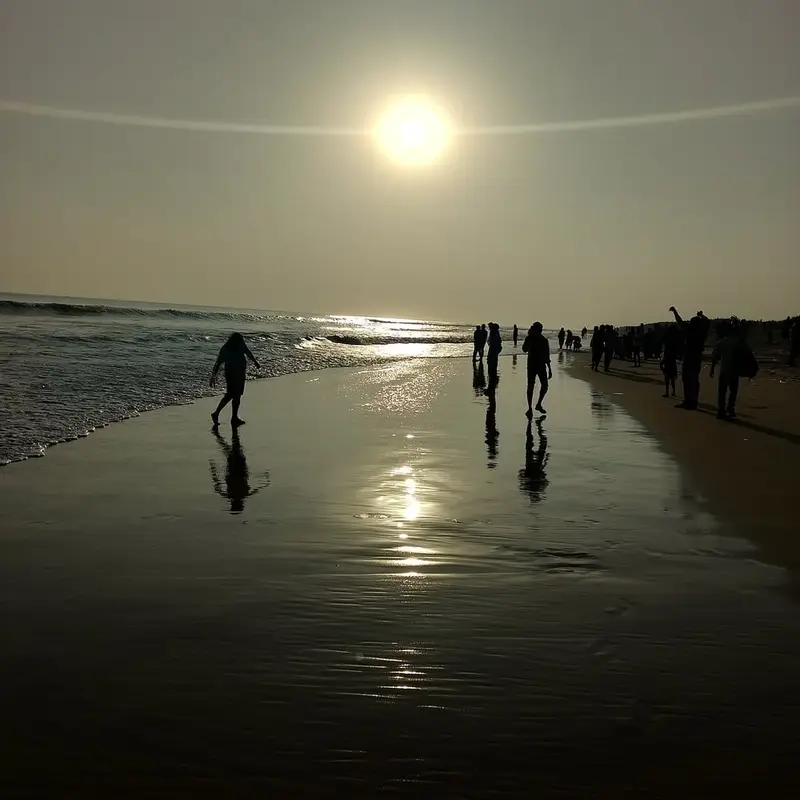

Chandrabhaga Beach
30 minA wide, clean beach where a small river once met the sea, 3 km from the Sun Temple. It has a Blue Flag for clean water and sand. Fishing boats pull up at one end.
Day 2 of the 2-day plan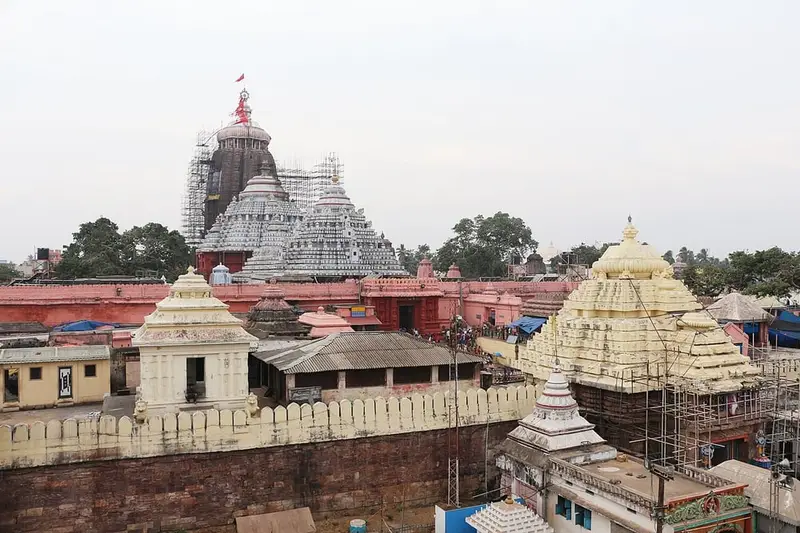

Jagannath Temple, Puri
2 hOne of the four holiest places for Hindus in India, built in the 1100s for Jagannath, a form of Krishna. The wooden gods are carried out each summer in the Rath Yatra, on three huge chariots down Grand Road. The temple kitchen feeds thousands every day.
Day 2 of the 2-day plan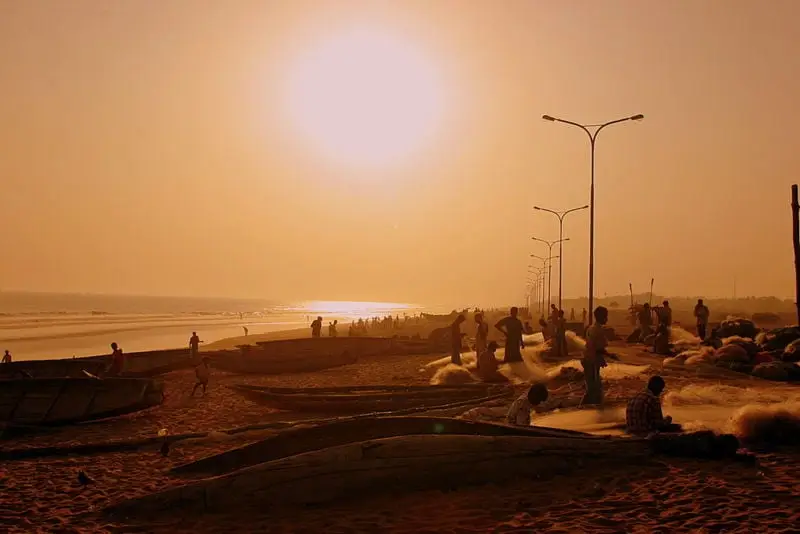

Puri Beach
45 minA long beach in front of Puri town, busy with families, camel rides and snack stalls. The Golden Beach stretch has a Blue Flag. Sand artists, some world famous, make big sculptures here.
Day 2 of the 2-day plan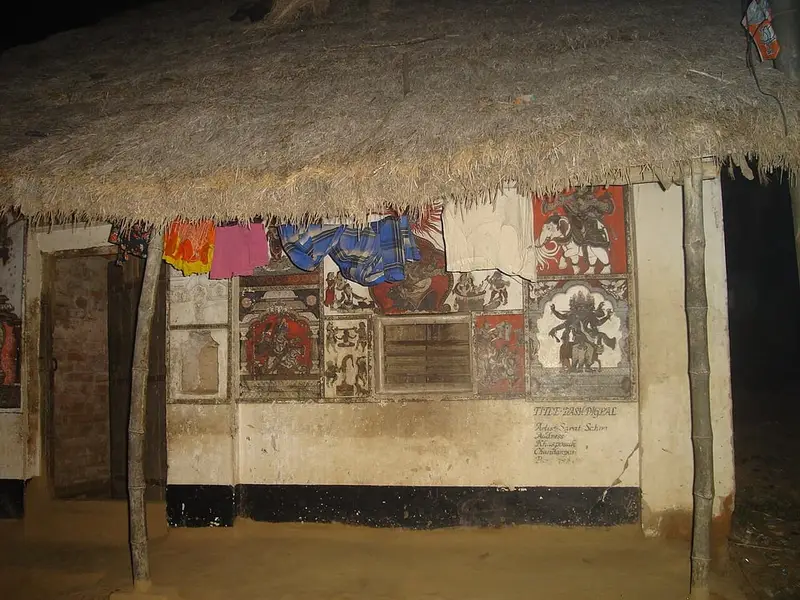

Raghurajpur Heritage Village
1 hA village of painters, about 14 km from Puri, where every house is a studio. Families make Pattachitra, fine paintings on cloth and palm leaf of gods and stories, with colours made from stones and shells. It is also the home of the Gotipua dance.
Not in our plans. Add it if you have time.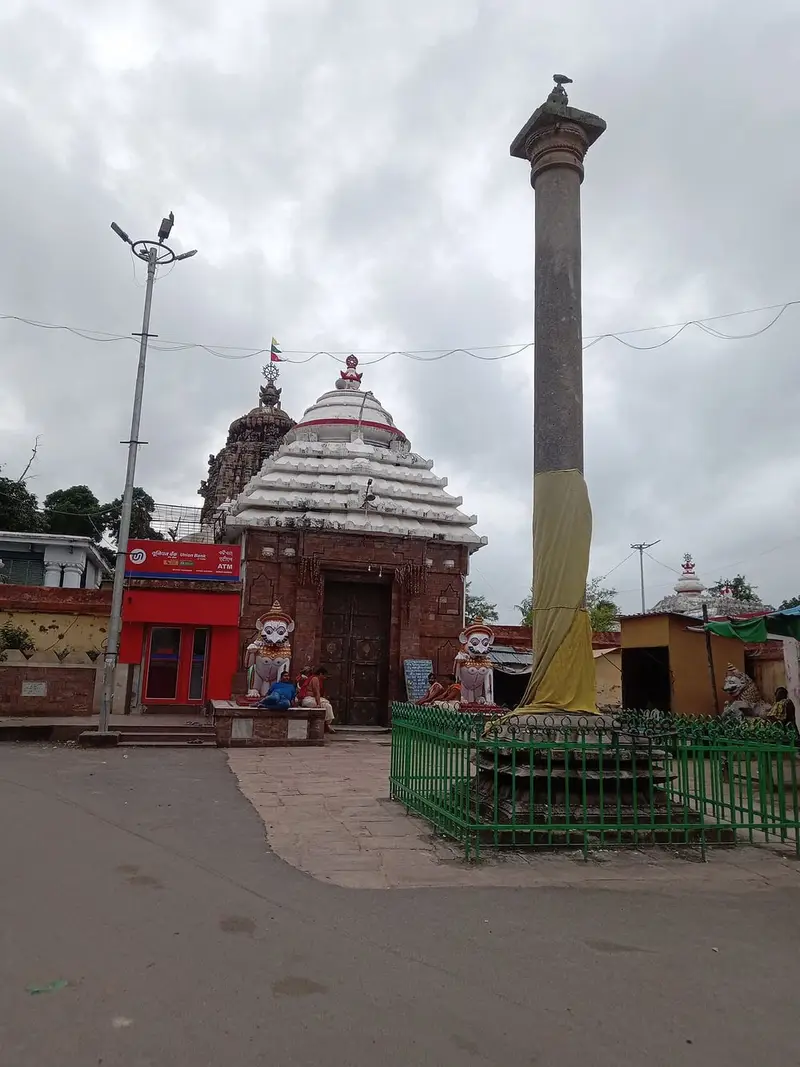

Sakhigopal Temple
30 minA Krishna temple about 20 km before Puri. Pilgrims stop here on the way to Jagannath; the story is that Krishna walked here as a witness (sakhi) to settle a promise between two travellers.
Not in our plans. Add it if you have time.Questions people ask
How many days do you need for Bhubaneswar?
Two days covers the city and a day for Konark and Puri. Take three to add Nandankanan Zoo and the Hirapur temple without rushing.
Can non-Hindus enter Lingaraj and Jagannath temples?
No. Both are open only to Hindus. At Lingaraj, there is a viewing platform by the north wall. In Puri, the Raghunandan Library roof opposite the main gate looks over the temple for a small fee. The other Old Town temples, Konark and Hirapur are open to everyone.
What are the Jagannath Temple timings?
Roughly 05:30 to 22:30, with short breaks for rituals that change each day; the longest is about 13:00 to 14:00. Phones, cameras, leather, bags and umbrellas are not allowed: leave them in the cab or at the free cloakroom by the Lion Gate.
What are the Konark Sun Temple timings?
06:00 to 20:00 every day, with an ASI ticket. The light and sound show is in the evening, not on Mondays. The ASI museum next door is closed on Fridays.
Which places are closed on Mondays?
The Odisha State Museum, the Museum of Tribal Arts and Artefacts, Nandankanan Zoo and the Konark light and sound show. The temples, the caves, Dhauli and the beaches are open.
Is Chilika Lake a day trip from Bhubaneswar?
Satapada, where the boats leave to look for dolphins, is about 105 km from Bhubaneswar, over 200 km there and back. It fits better from Puri, about 50 km away. It is not in these plans.
What else is near Bhubaneswar?
Raghurajpur, the painters' village near Puri, and the Sakhigopal temple on the Puri road are each an hour's stop on the Puri day if you have time. Ramachandi temple, where a river meets the sea near Konark, and Ram Mandir on Janpath are worth a look too.
What is the best time to visit Bhubaneswar?
October to February, when days are mild. March to June is very hot, so see the temples early. The Rath Yatra in Puri is in June or July: hotels fill and roads close in Puri around it.