Srinagar sightseeing by cab
Places to visit in Srinagar and Kashmir, and the order to see them
Start with Srinagar itself: Shankaracharya Temple in the morning, the Mughal gardens of Cheshma Shahi, Pari Mahal, Nishat and Shalimar, the Hazratbal Shrine and a shikara on Dal Lake, about 43 km by cab. Then give each valley a day: Gulmarg for the gondola, Sonamarg for Thajiwas Glacier, and Pahalgam for Betaab Valley, with the Martand and Avantipora ruins on the way.
22 placesroutes from road routing, timed against opening hours
How many days do you need?
Each plan is a real route by cab, timed against opening hours.
© OpenStreetMap contributors
1 day
Shankaracharya, the Mughal gardens and a shikara
7 places · 43 km by cab
See the plan →© OpenStreetMap contributors
Most people
2 days
Shankaracharya, the Mughal gardens and a shikara · Gulmarg: Drung Waterfall, the gondola and the meadow
10 places · 163 km by cab
See the plan →© OpenStreetMap contributors
3 days
Shankaracharya, the Mughal gardens and a shikara · Gulmarg: Drung Waterfall, the gondola and the meadow · Pahalgam, with Avantipora and Martand on the way
14 places · 370 km by cab
See the plan →© OpenStreetMap contributors
4 days
Shankaracharya, the Mughal gardens and a shikara · Gulmarg: Drung Waterfall, the gondola and the meadow · Sonamarg and Kheer Bhawani · Pahalgam, with Avantipora and Martand on the way
16 places · 547 km by cab
See the plan →Cab for Srinagar sightseeing
Call or message a local Srinagar operator with this plan. Tell them your hotel and dates, and they send a price for the car and driver.
Full day, 8 h / 80 kmSedan, SUV or InnovaPrice from the operator
Opening times of Srinagar's top sights
With the best time to go and how long to stay.
| Place | Open | Best time | Visit |
|---|---|---|---|
| Shankaracharya Temple | Open from early morning; cars may not drive up the hill road after about 17:00. No phones, cameras or smartwatches past the checkpoint. Free? | Morning, when the view over Dal Lake is clearest. | 1 h |
| Cheshma Shahi | About 10:00 to 17:00 (from 09:00 in summer); the entry gate shuts at 17:00. Small ticket | Late morning, on the way to Pari Mahal. | 40 min |
| Pari Mahal | About 10:00 to 17:00 in winter, 09:00 to 19:00 in summer; the entry gate shuts at 17:00. One listing says closed on Fridays. Small ticket? | Late morning or late afternoon, when the light is on the lake. | 40 min |
| Nishat Bagh | About 10:00 to 17:00 or 18:00 in winter, 09:00 to 19:00 in summer. Small ticket? | Midday, with lunch nearby on Boulevard Road. | 1 h |
| Shalimar Bagh | November to March about 10:00 to 17:00; April to October 09:00 to 19:00. ₹24 for Indians, more for foreigners? | Afternoon, after Nishat Bagh. | 1 h |
| Hazratbal Shrine | Visitors about 09:30 to 17:30; the mosque is open longer for prayers. Very crowded at Friday midday prayers. Free | Afternoon, then along the lake shore. | 45 min |
| Shikara ride on Dal Lake | In daylight; best in the late afternoon. Fixed government rate per boat, about ₹700 to ₹800 for an hour (rate card at the ghat)? | The last hour of daylight. | 1 h |
| Tulip Garden | Open only in spring, for about a month from mid March (16 March to about 16 April in 2026). ₹75 | Late March to early April, in the morning. | 1 h |
| Botanical Garden | About 09:00 to 19:00 in summer, shorter in winter. About ₹30? | Any time; quiet in the morning. | 45 min |
| Jamia Masjid | Open through the day for visitors outside prayer times. Very crowded at Friday midday prayers. Free? | Morning, on a day that is not Friday. | 40 min |
All 22 places to visit in Srinagar
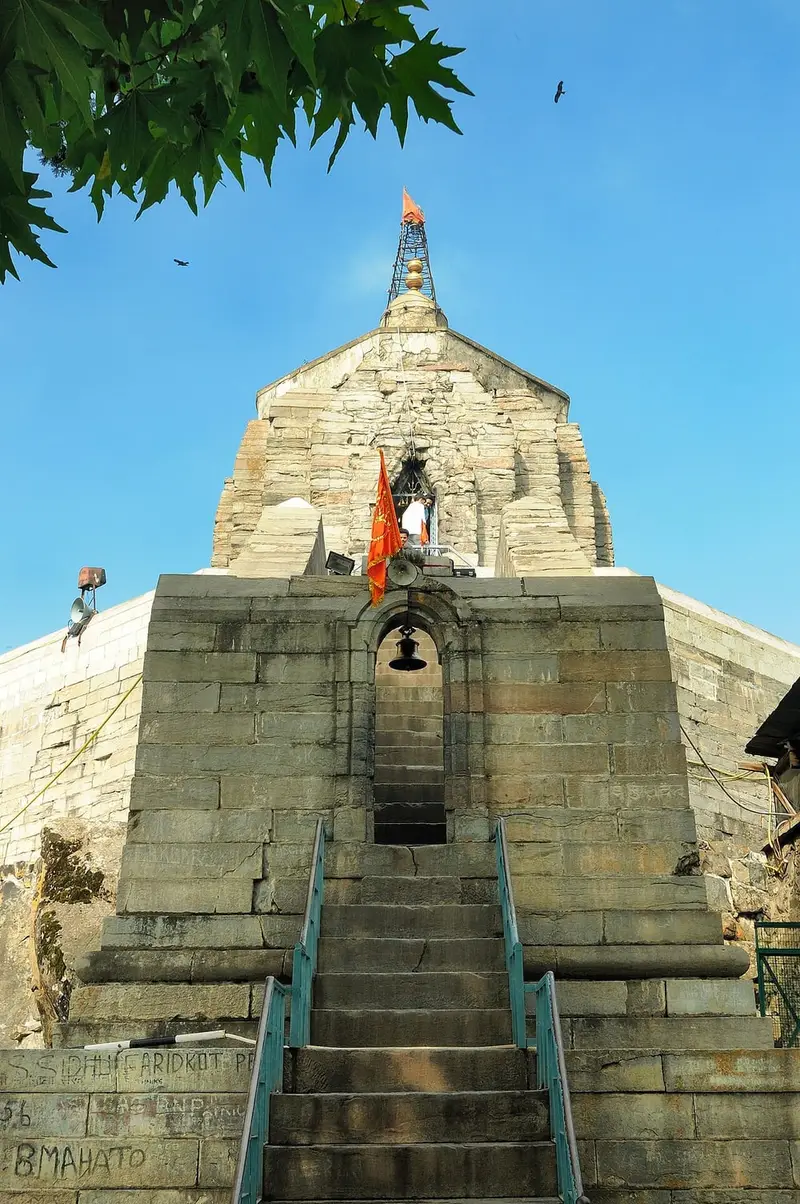

Shankaracharya Temple
1 hA small stone Shiva temple on a hilltop about 300 m above the city. From the top you see Dal Lake, the houseboats, the old city and the mountains all round. The road ends at a parking area, and about 240 steps lead up to the temple.
In the 1-day plan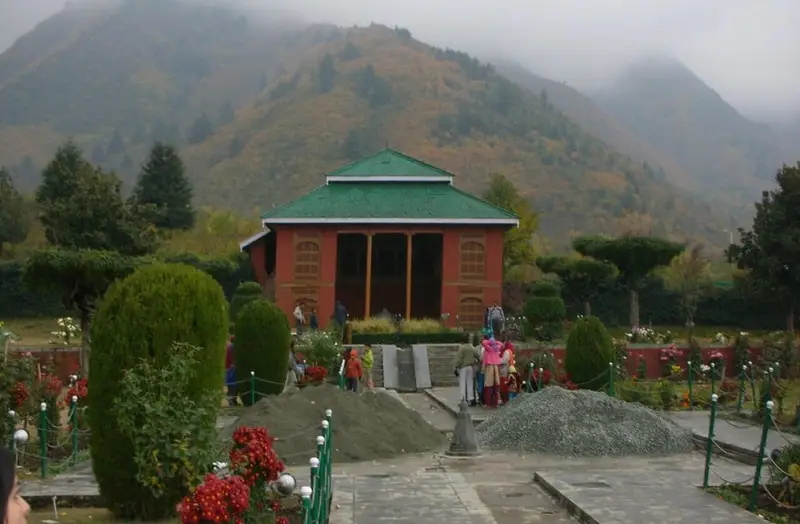

Cheshma Shahi
40 minThe smallest of Srinagar's Mughal gardens, built in 1632 round a natural spring. Three terraces step down the hill with a channel of spring water running through them. People still fill bottles from the spring.
In the 1-day plan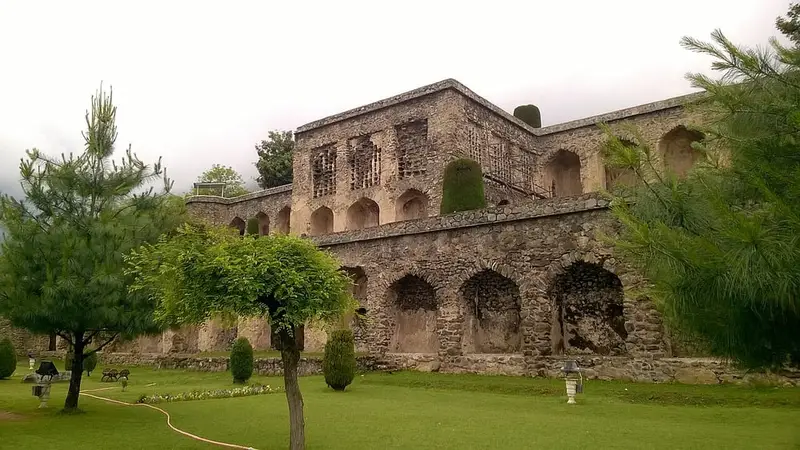

Pari Mahal
40 minA ruined seven-terrace garden built in the 1650s by Dara Shikoh, a Mughal prince, as a school of astronomy. It sits high on the Zabarwan hills, with one of the best views over Dal Lake. The arches are lit up at night.
In the 1-day plan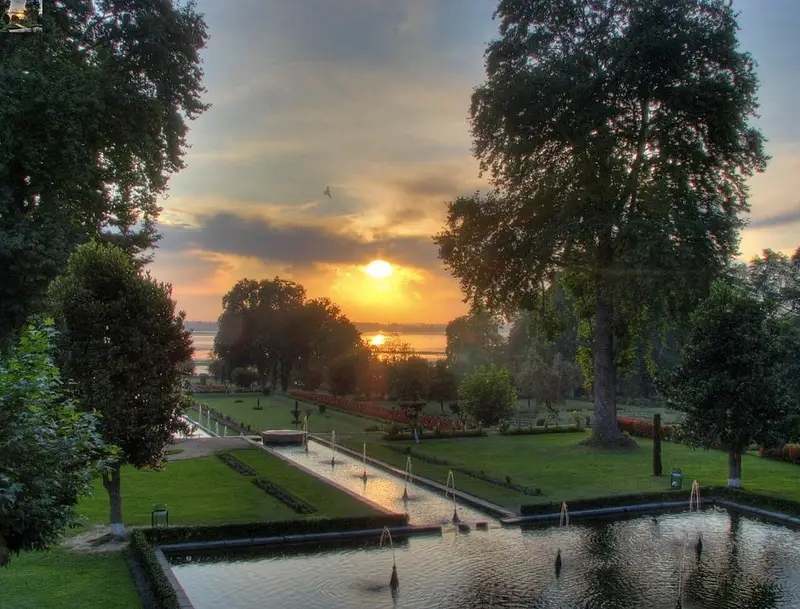

Nishat Bagh
1 hThe biggest Mughal garden in Kashmir, laid out in 1633 by Asif Khan, brother of Nur Jahan. Twelve terraces climb from the edge of Dal Lake to the hills, with a long water channel, fountains and old chinar trees.
In the 1-day plan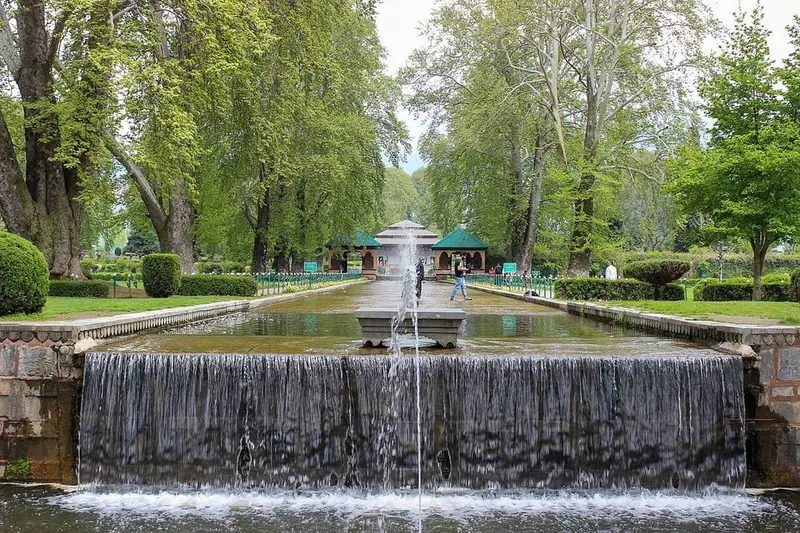

Shalimar Bagh
1 hThe Mughal emperor Jahangir built this garden in 1619 for his wife Nur Jahan. A water channel runs through four terraces past black stone pavilions and fountains, under huge chinar trees that turn red in autumn.
In the 1-day plan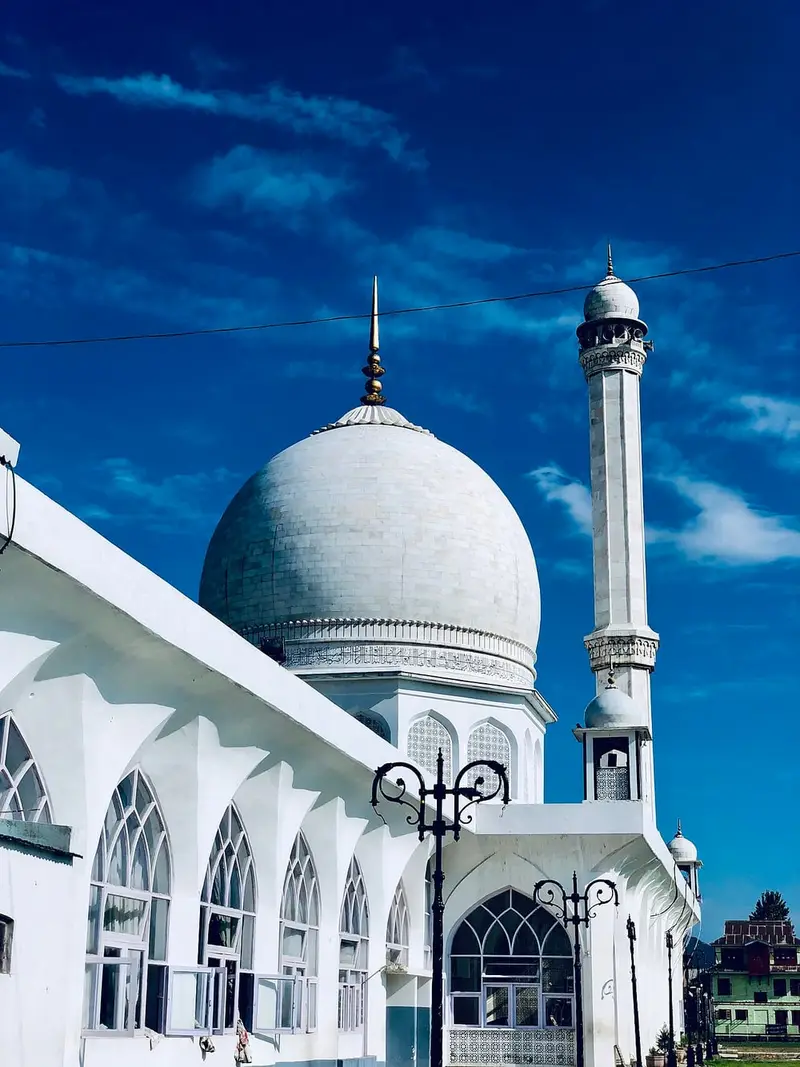

Hazratbal Shrine
45 minA white marble mosque with a dome on the north shore of Dal Lake. It holds a relic believed to be a hair of the Prophet Muhammad, and is the most important shrine in Kashmir. The lawns by the water look across the lake to the hills.
In the 1-day plan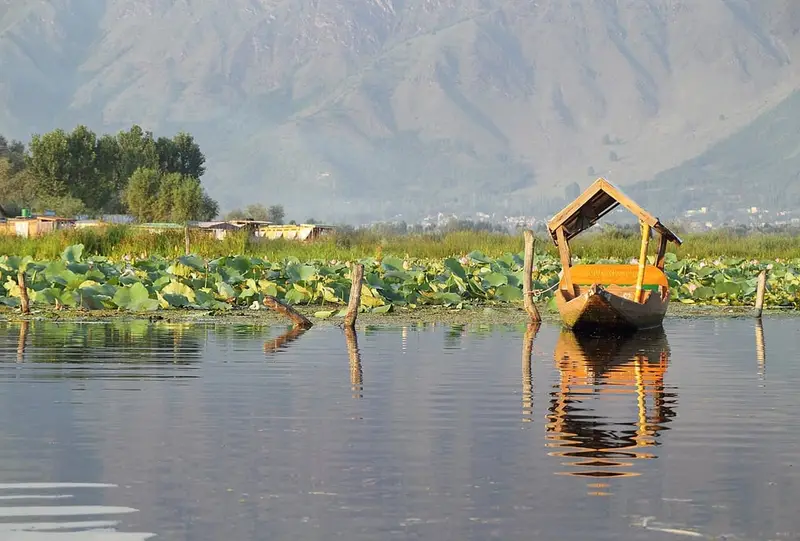

Shikara ride on Dal Lake
1 hA ride in a shikara, the painted wooden boat with a canopy, from one of the numbered ghats on Boulevard Road. In an hour you pass houseboats, floating gardens and the boat sellers of the lake. Longer rides reach the floating vegetable market and Char Chinar island.
In the 1-day plan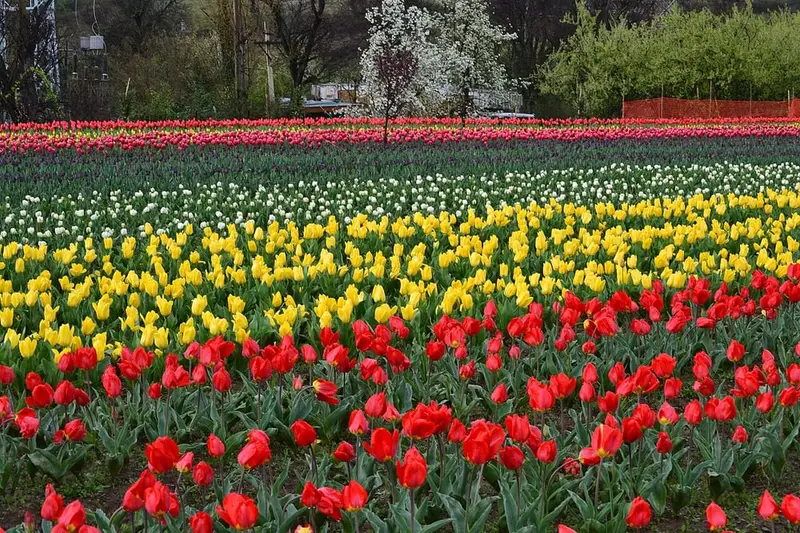

Tulip Garden
1 hAsia's largest tulip garden, with over a million tulips in rows of colour below the Zabarwan hills. It opens for only a few weeks each spring, so it is not in the day plans.
Not in our plans. Add it if you have time.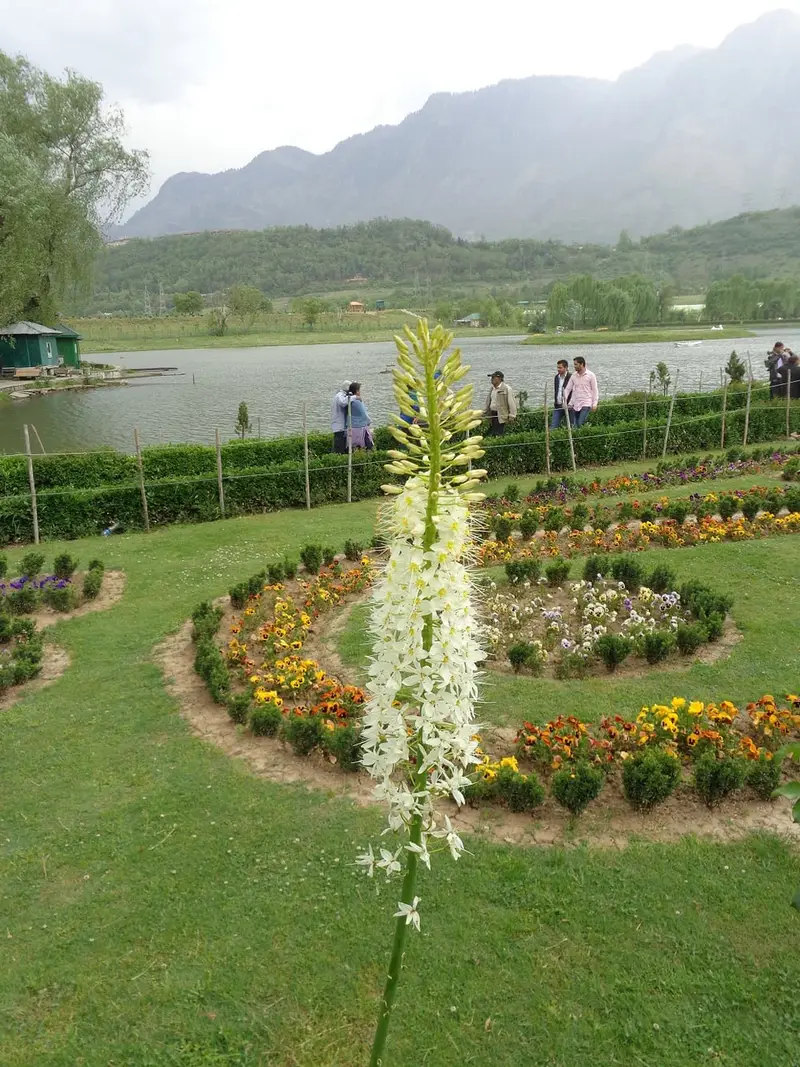

Botanical Garden
45 minA large garden with lawns, a lake with boats, rose beds and old trees, beside the Tulip Garden. It is less formal than the Mughal gardens and good for a slow walk.
Not in our plans. Add it if you have time.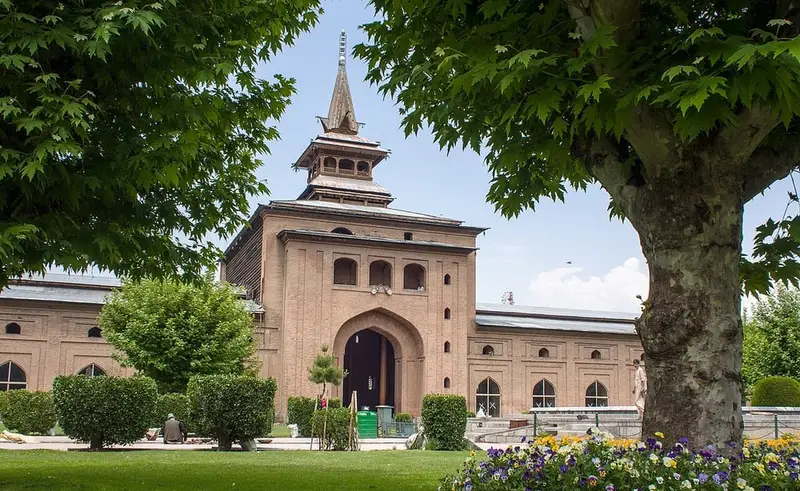

Jamia Masjid
40 minThe great mosque of the old city, first built in 1394. Its courtyard is ringed by cloisters held up by 378 wooden pillars, each made from a single deodar tree. It is quite different from the domed mosques of the plains.
Not in our plans. Add it if you have time.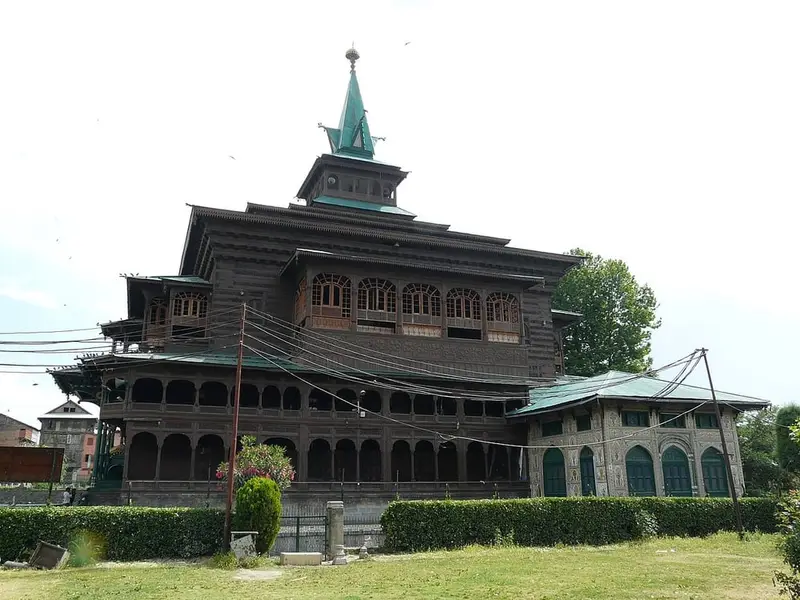

Khanqah-e-Moula
30 minA wooden shrine on the bank of the Jhelum, built in the 14th century to honour the Sufi saint Shah-e-Hamdan. Its walls and ceilings are covered in carved and painted papier-mache, the finest example of old Kashmiri woodwork in the city.
Not in our plans. Add it if you have time.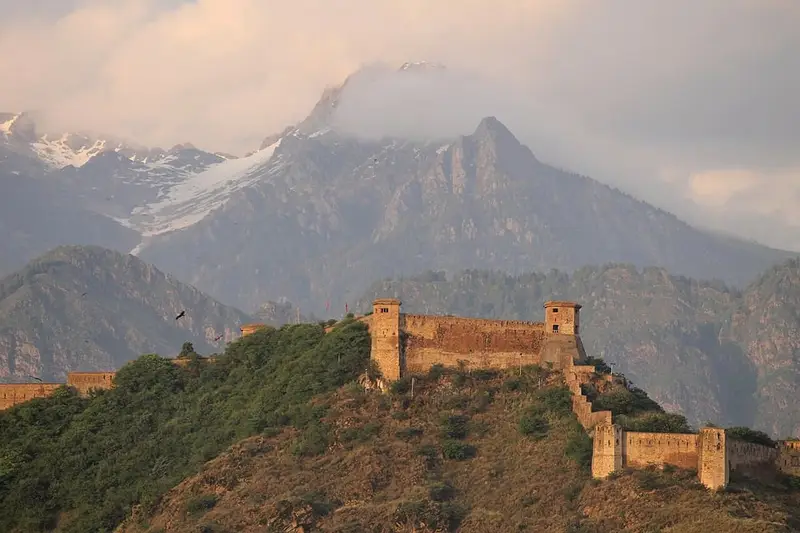

Hari Parbat Fort
1 hAn 18th-century Afghan fort on the hill above the old city, with walls built earlier by Akbar. The hill also has a Hindu temple, the shrine of Makhdoom Sahib and a gurdwara. From the fort you look over the whole city and Dal Lake.
Not in our plans. Add it if you have time.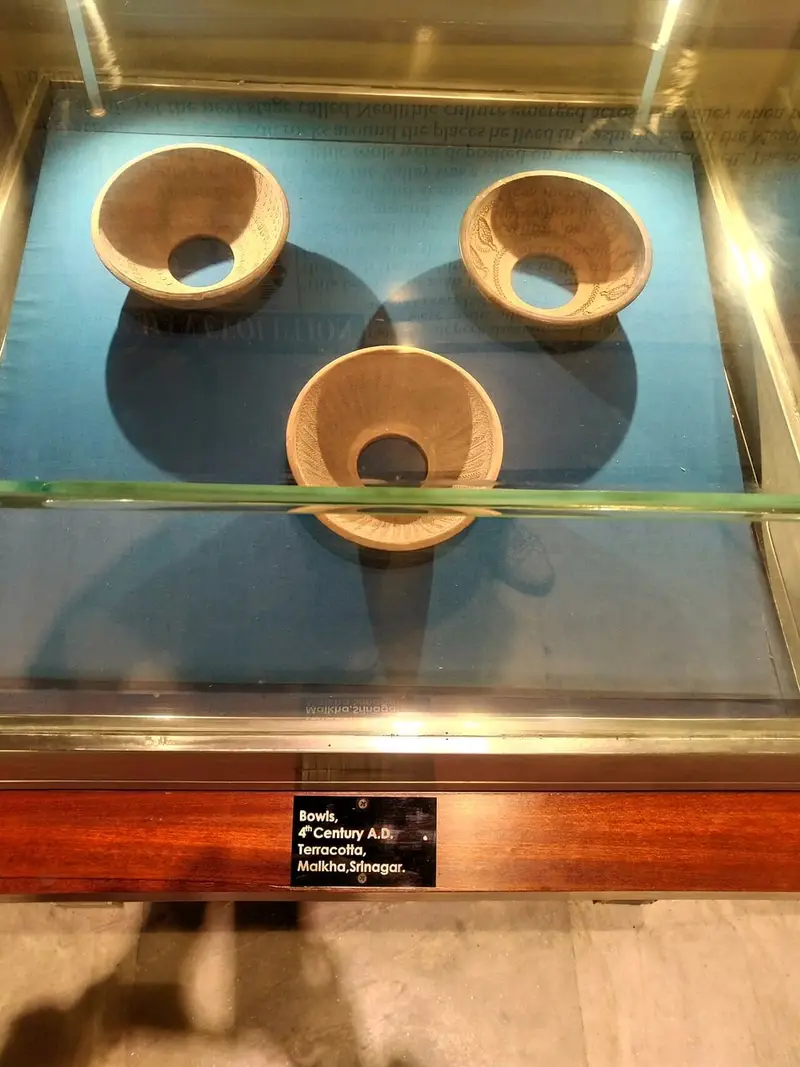

SPS Museum
1 hThe Sri Pratap Singh Museum, Kashmir's state museum, in a new building beside the Jhelum. It has carved stone sculpture from Kashmir's old temples, shawls, papier-mache, carpets and old arms.
Not in our plans. Add it if you have time.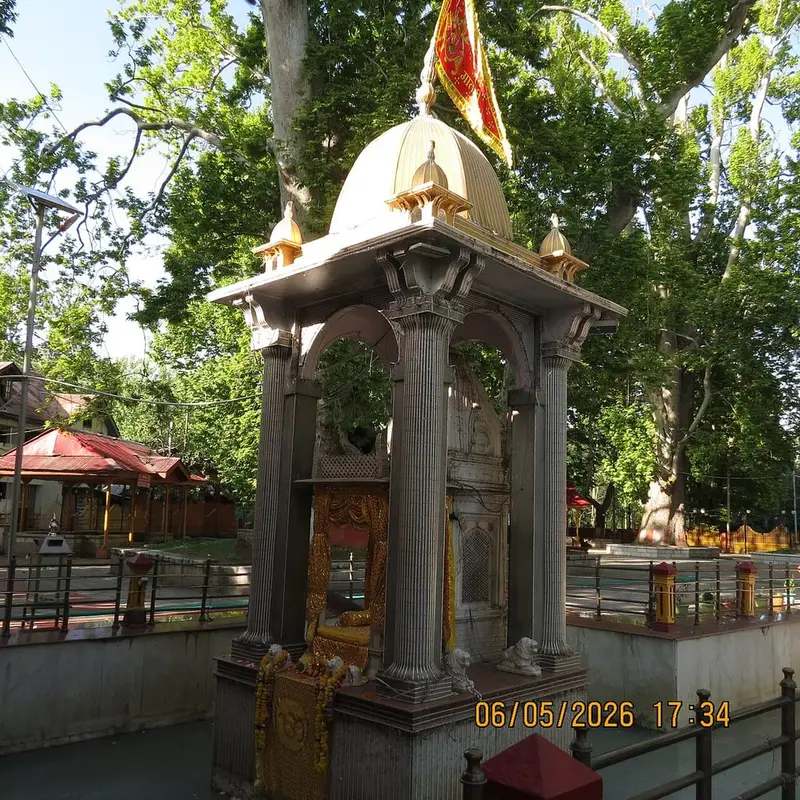

Kheer Bhawani Temple
45 minA marble temple to the goddess Ragnya Devi, standing in a spring-fed pool at Tulmulla, under huge chinar trees. Devotees offer kheer, sweet rice pudding, to the spring, which gives the temple its name. It is the most important temple for Kashmiri Pandits.
Day 3 of the 4-day plan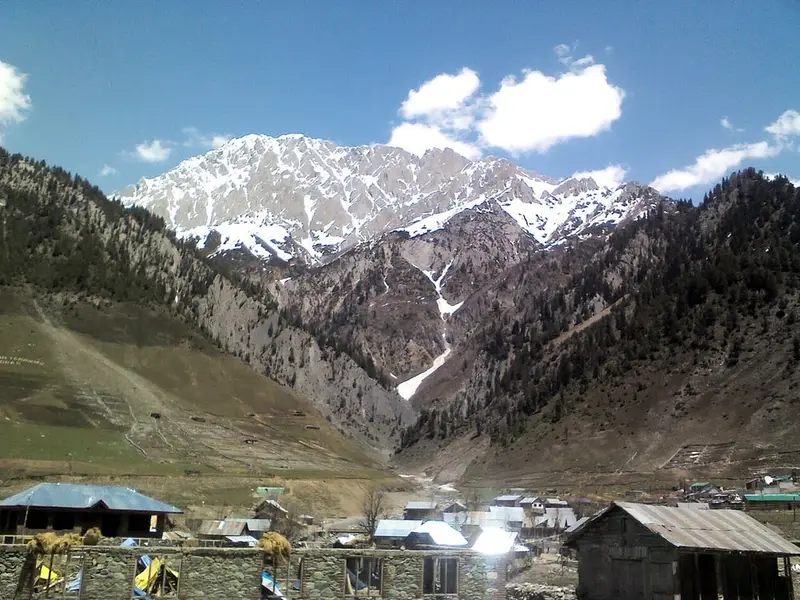

Sonamarg and Thajiwas Glacier
4 hSonamarg, the meadow of gold, is a valley at about 2,700 m on the road to Ladakh, with the Sindh river and glaciers above it. The main outing is Thajiwas Glacier, about 3 km up a side valley on foot or by pony.
Day 3 of the 4-day planDrung Waterfall
40 minA waterfall in a pine valley a few kilometres off the road at Tangmarg, below Gulmarg. In winter it freezes into a wall of ice that draws as many visitors as the snow above.
Day 2 of the 2-day plan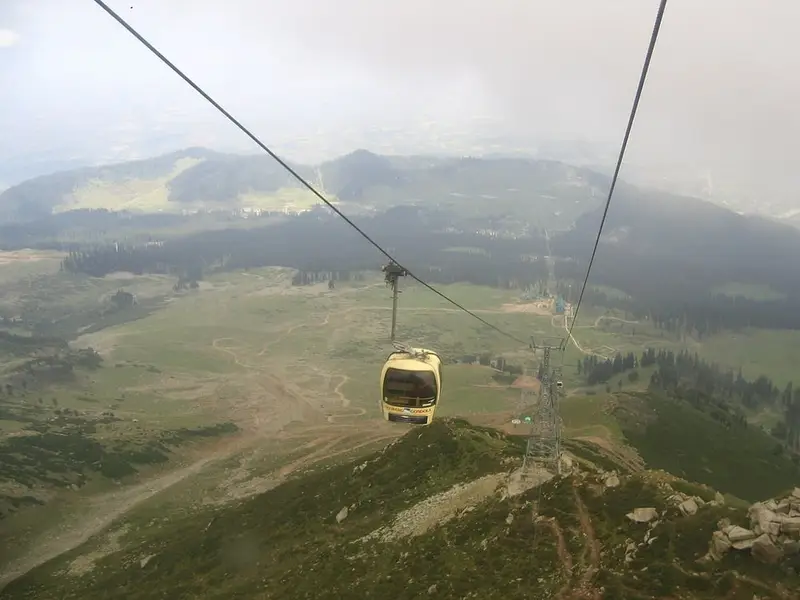

Gulmarg Gondola
3 h 30 minOne of the highest cable cars in the world. Phase 1 goes from Gulmarg up to Kongdori at about 3,000 m; Phase 2 continues to Apharwat at about 3,950 m, with snow on the top for much of the year and views to Nanga Parbat on a clear day.
Day 2 of the 2-day plan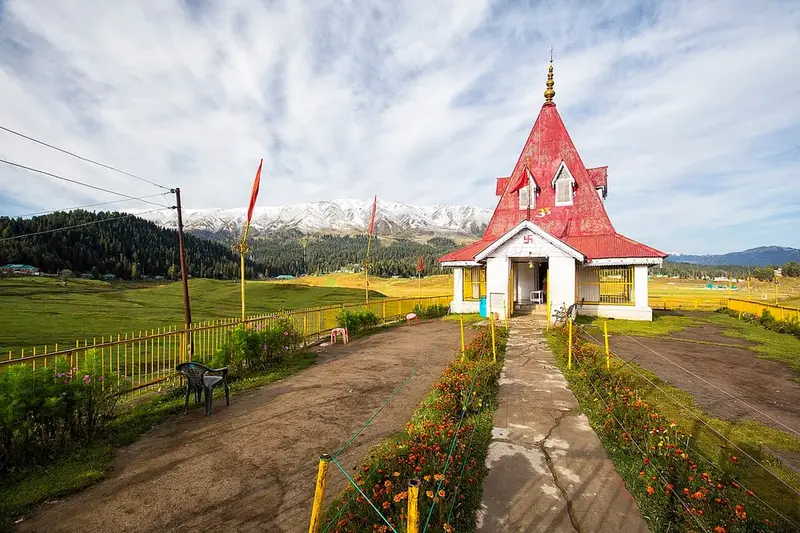

Gulmarg meadow and Maharani Temple
1 hGulmarg's wide meadow, with the golf course, St Mary's Church and, on a small knoll in the middle, the Maharani Temple, a Shiva temple built in 1915 by the queen of Kashmir's Dogra ruler. It is the red-roofed temple seen in the song from the film Aap Ki Kasam.
Day 2 of the 2-day plan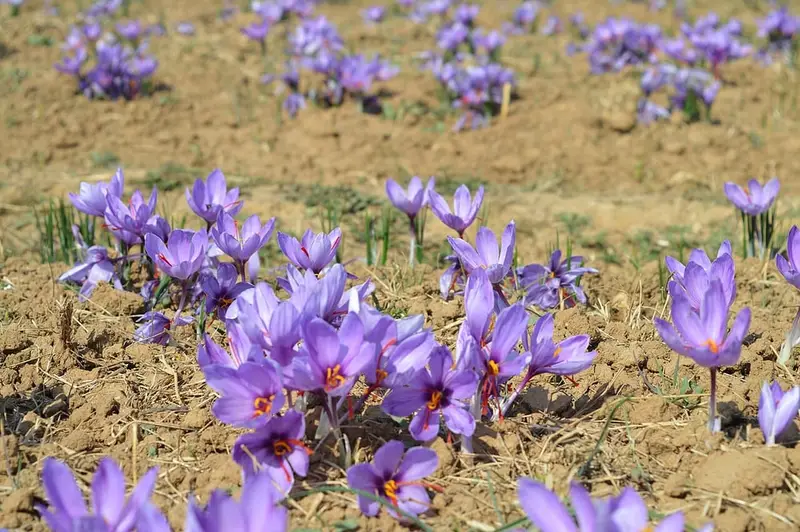

Pampore saffron fields
30 minThe plateau round Pampore grows most of India's saffron. For a few weeks in autumn the fields turn purple with crocus flowers, picked by hand at dawn. The rest of the year the stop is the saffron shops and kahwa stalls on the highway.
Day 3 of the 3-day plan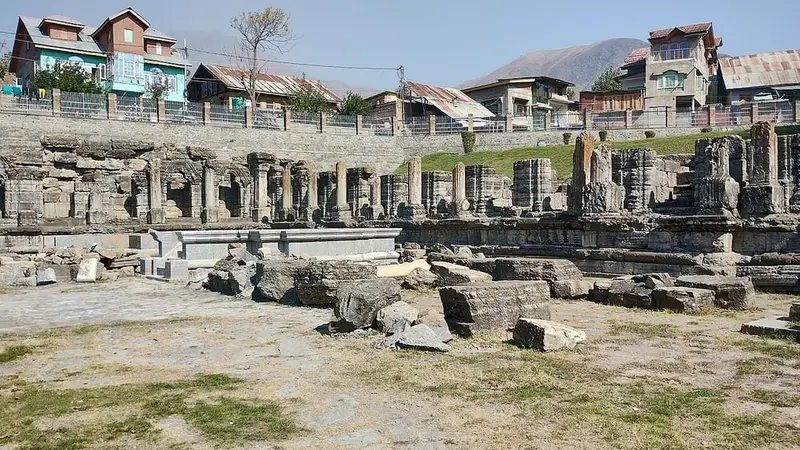

Avantipora temple ruins
40 minThe ruins of a stone Vishnu temple built in the 9th century by King Avantivarman, right by the highway. The carved pillars and gateway, with river goddesses and Vishnu, still stand inside a walled courtyard.
Day 3 of the 3-day plan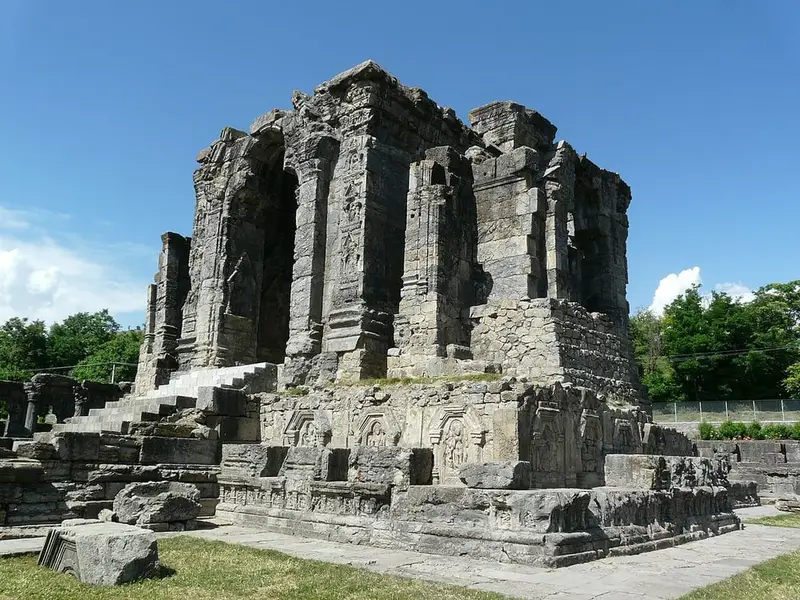

Martand Sun Temple
45 minThe great ruined sun temple of Kashmir, built in the 8th century by King Lalitaditya on a plateau above Mattan. Its grey stone walls and colonnade, with the snow peaks behind, are some of the most striking ruins in India.
Day 3 of the 3-day plan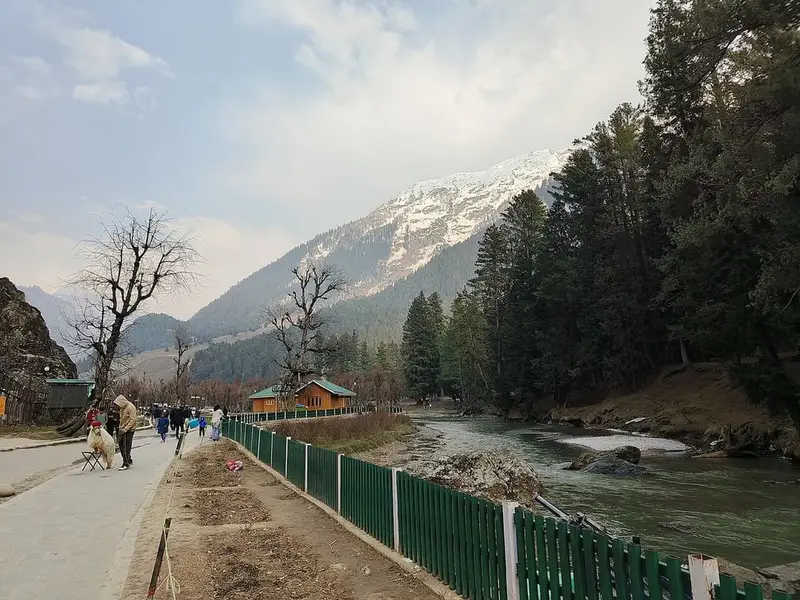

Pahalgam and Betaab Valley
4 hPahalgam is a valley town on the Lidder river at about 2,200 m, ringed by pine forest. Betaab Valley, 15 km up, is a green meadow with the river running through it, named after the 1983 film shot there. Aru Valley, 12 km the other way, is a quiet village meadow.
Day 3 of the 3-day planQuestions people ask
How many days do you need for Srinagar and Kashmir?
Four days covers the classic trip: one for Srinagar's gardens and Dal Lake, then one each for Gulmarg, Sonamarg and Pahalgam. With three days, skip Sonamarg; with two, see Srinagar and Gulmarg; with one, see Srinagar.
Can my Srinagar cab go everywhere in these plans?
It takes you to every stop on the plans. In Pahalgam, Betaab and Aru valleys are by local union taxi from the Pahalgam taxi stand, and in Sonamarg, Zero Point is by Sonamarg union taxi. After heavy snow, the last stretch up to Gulmarg is for 4x4s or cars with chains, so you may switch at Tangmarg.
Which places in Kashmir are closed in 2026?
After the April 2025 attack at Baisaran, about 48 spots were closed. Most reopened by February 2026, including Gulmarg, Sonamarg, Pahalgam town, Doodhpathri, Yusmarg and the Thajiwas Glacier. Baisaran, Chandanwari and some other Pahalgam spots were still closed in July 2026, with orders running to 31 December 2026. Check before you go.
Which Srinagar sights close on certain days?
The SPS Museum closes on Mondays. One listing says Pari Mahal closes on Fridays and another that Hari Parbat closes on Sundays, so check on those days. The Gulmarg gondola shuts some weeks for maintenance. Mosques and shrines are very crowded at Friday midday prayers.
When is the best time to visit?
April to June for green meadows and the end of the snow, mid March to mid April for the Tulip Garden, October and November for red chinar leaves and the saffron flowers at Pampore, and December to February for snow in Gulmarg. July and August are busy with the Amarnath Yatra.
What does a shikara ride cost?
The Tourism Department sets the rate per boat, not per person: about ₹700 to ₹800 for an hour in 2026, more for longer rides. The rate card is at each numbered ghat on Boulevard Road. Agree the route and time before you get in.
Can I see Doodhpathri or Yusmarg?
Yes, both reopened in February 2026. They are meadows south-west of Srinagar, about 45 km each, in a different direction from Gulmarg. Swap one in for Sonamarg, or add a fifth day.