Places to visit in Pune, and the order to see them
Start at Shaniwar Wada at about 08:40 and walk to Lal Mahal and Kasba Ganpati, then see Dagdusheth Ganpati and the Kelkar Museum. After lunch, Aga Khan Palace and Parvati Hill, about 34 km by cab. With two days, the second is Sinhagad Fort, Khadakwasla Dam, Saras Baug and Parvati. A third day goes to the Karla and Bhaja caves and Tiger Point near Lonavala. Every plan works on any day of the week.
24 placesroutes from road routing, timed against opening hours
How many days do you need?
Each plan is a real route by cab, timed against opening hours.
Call or message a local Pune operator with this plan. Tell them your hotel and dates, and they send a price for the car and driver.
Full day, 8 h / 80 kmSedan, SUV or InnovaPrice from the operator
We are still listing Pune operators. Write to [email protected] and we will put you in touch.
Opening times of Pune's top sights
With the best time to go and how long to stay.
Place
Open
Best time
Visit
Shaniwar Wada
About 08:00 to 18:30 every day. Indians about ₹5, foreigners about ₹125. The sound and light show is in the evening (Marathi about 19:15, English about 20:15), with its own ticket at the gate
Morning, at the 08:00 opening, before the heat and the school groups.
1 h
Lal Mahal
Listings disagree: 09:00 to 13:00 and 16:00 to 20:00, or 09:30 to 18:00. Plan a morning visit before 13:00. Small fee or free?
Morning, on the walk from Shaniwar Wada.
30 min
Kasba Ganpati
About 06:00 to 21:00 every day. Free
Morning, on the walk from Lal Mahal.
20 min
Dagdusheth Halwai Ganpati
05:00 to 22:30 every day, to 23:00 on Tuesdays. Free. Queues are longest on Tuesdays and Sankashti Chaturthi
Morning on a weekday. Tuesdays and the Ganesh festival bring long queues.
30 min
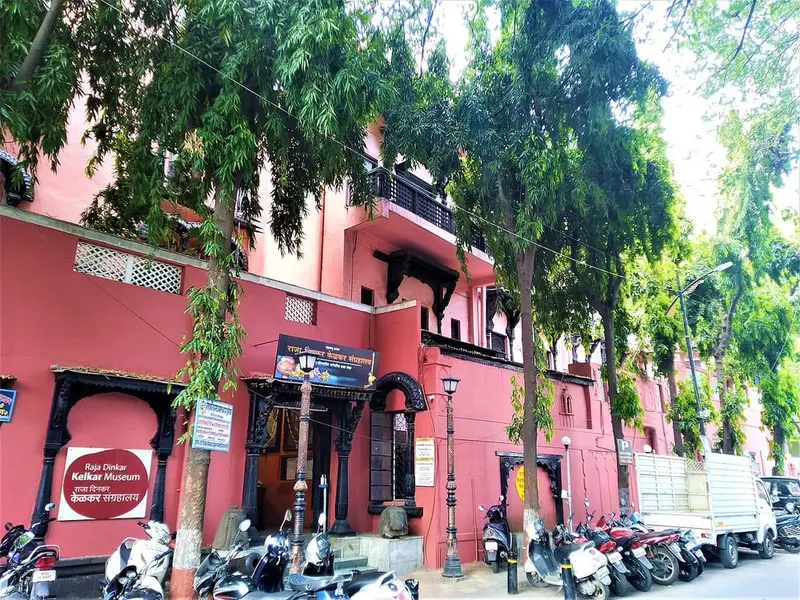
Raja Dinkar Kelkar Museum
10:00 to 17:30 every day except 26 January, 15 August and Anant Chaturdashi
Late morning, after the temples.
1 h 30 min
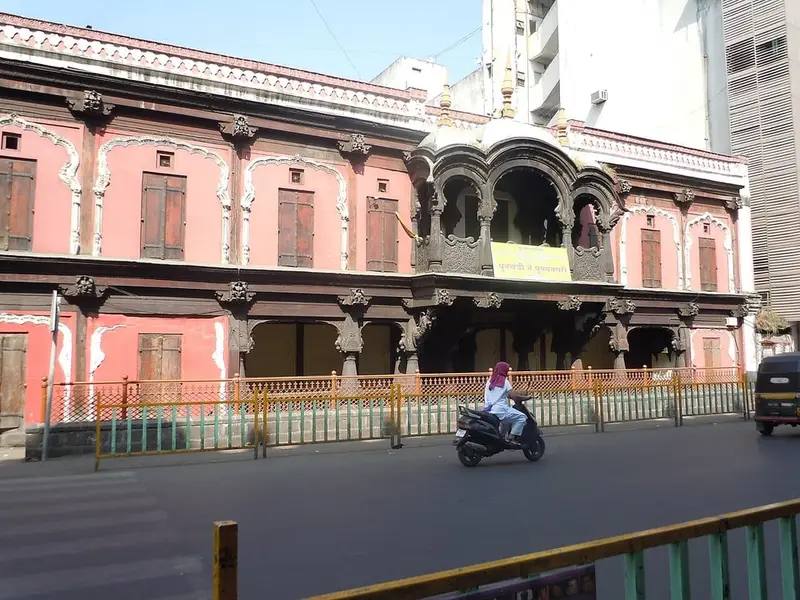
Vishrambaug Wada
About 10:00 to 18:00. Listings disagree on the closed day: Monday in two, Saturday in one. About ₹5. The carved front can be seen from the street at any time?
Any time it is open, on the way between the old city sights.
30 min
Tulshibaug and Mandai
Most shops about 10:00 to 21:00; the vegetable market opens early. The Ram temple is open morning and evening?
Late afternoon and evening, when the lanes are busiest.
45 min
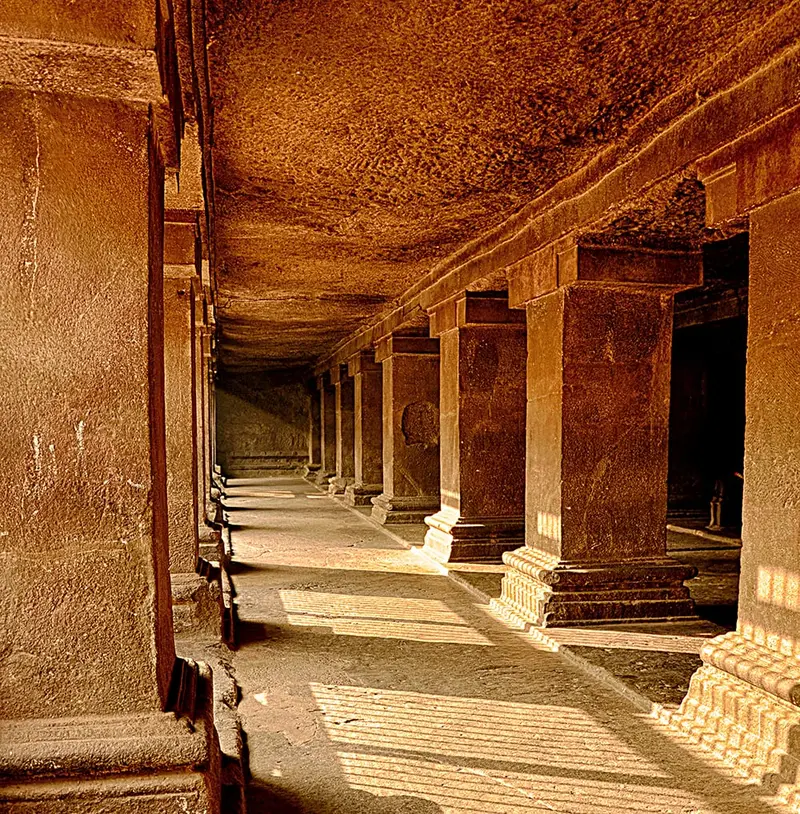
Pataleshwar Cave Temple
About 08:00 or 08:30 to 17:30 every day. Free
Any time; it is cool inside the cave even at midday.
30 min
Chaturshringi Temple
About 06:00 or 08:00 to 21:00 every day. Free. Very crowded in Navratri?
Morning, before the heat; very crowded in Navratri.
45 min
Aga Khan Palace
09:00 to 17:30 every day, last tickets at 17:00. Indians about ₹25, foreigners ₹300, under 15 free
Morning or late afternoon, when the lawns are cooler.
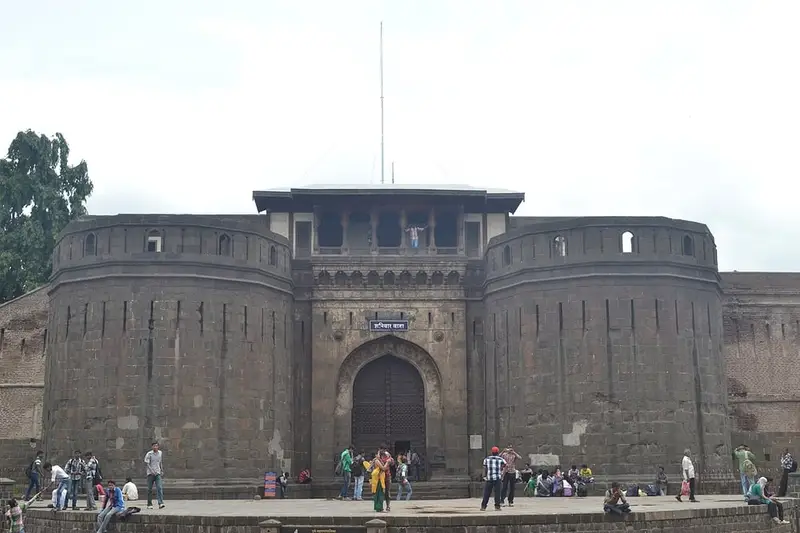
The fort palace of the Peshwas, who ruled the Maratha empire from Pune. Bajirao I built it in 1732. A fire in 1828 burnt the palace inside, so what you see is the tall stone and brick wall, five gateways with iron spikes against elephants, and the plinths and fountains of the old halls in a large garden.
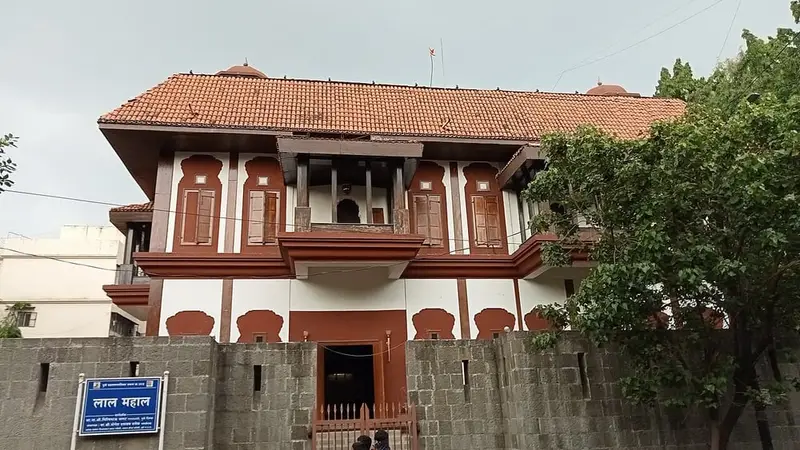
A red brick rebuild of the house where Shivaji grew up with his mother Jijabai in the 1630s. The first Lal Mahal was lost long ago; the Pune city council built this one in 1988. Inside are paintings of Shivaji's life, and a statue of Jijabai with the young Shivaji ploughing the field with a gold plough.
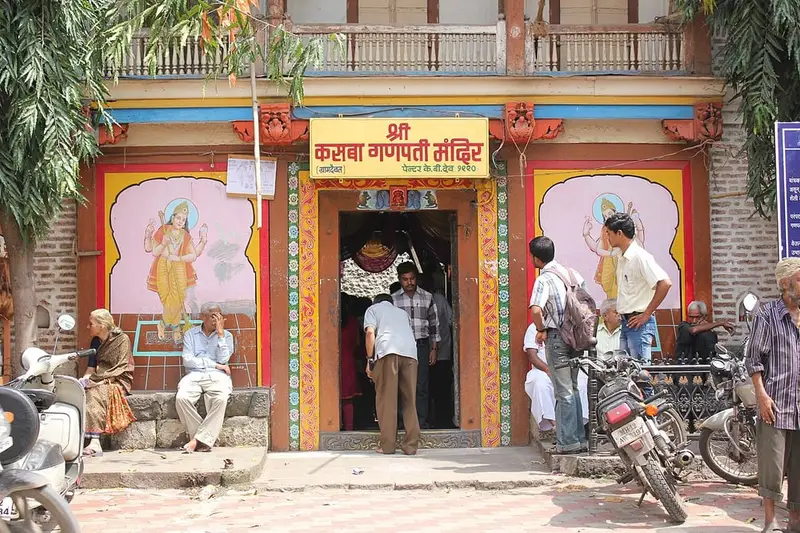
The oldest Ganpati temple in Pune and the city's guardian deity. Jijabai had it built in the 1630s, when the family moved to Lal Mahal. The idol is a small one covered in orange sindoor. In the Ganesh festival, Kasba Ganpati leads the procession as the first of Pune's five honoured Ganpatis.
In the 1-day planPhoto: Meghavbafana, CC BY-SA 3.0
Dagdusheth Halwai Ganpati
30 min
Temples
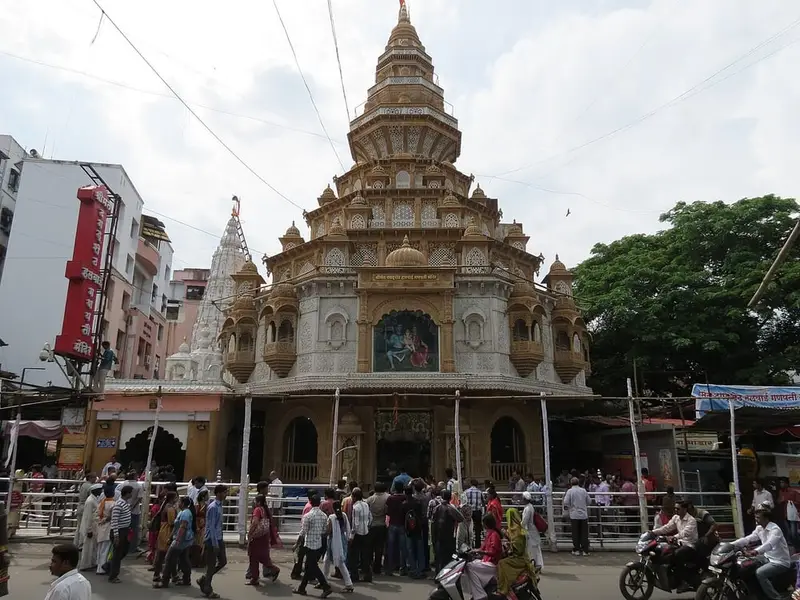
Pune's best known Ganpati temple, on Shivaji Road in Budhwar Peth. A sweet maker, Dagdusheth Halwai, set up the first idol in the 1890s after losing his son to plague. The 2.2 m idol is covered in gold, and you can see it from the road through the open front of the temple.
One man's collection of everyday things from old India: about 20,000 objects gathered by Dinkar Kelkar from the 1920s on. Look for the brass lamps, the carved doors, the betel nut cutters in the shape of animals, musical instruments, and a rebuilt Peshwa-era room, the Mastani Mahal.
A Peshwa mansion built in 1807 by Bajirao II, the last Peshwa, with a carved teak front and balconies over Bajirao Road. It is one of the best kept wooden wadas in Pune. A small museum inside shows the history of the city.
Not in our plans. Add it if you have time.Photo: DesiBoy101, CC BY-SA 4.0
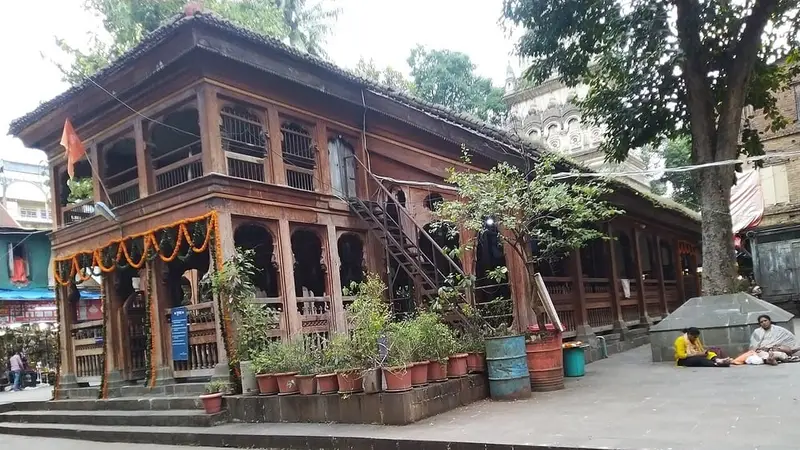
Tulshibaug and Mandai
45 min
Markets
The old market lanes round the Tulshibaug Ram temple, built in the Peshwa years, and the Mahatma Phule Mandai, a vegetable and flower market in an 1886 building with a clock tower. Tulshibaug sells brass and copper pots, kitchen things, bangles and Ganpati idols.
Not in our plans. Add it if you have time.Photo: Khoj Badami, CC BY-SA 3.0
Pataleshwar Cave Temple
30 min
Forts, palaces & wadas
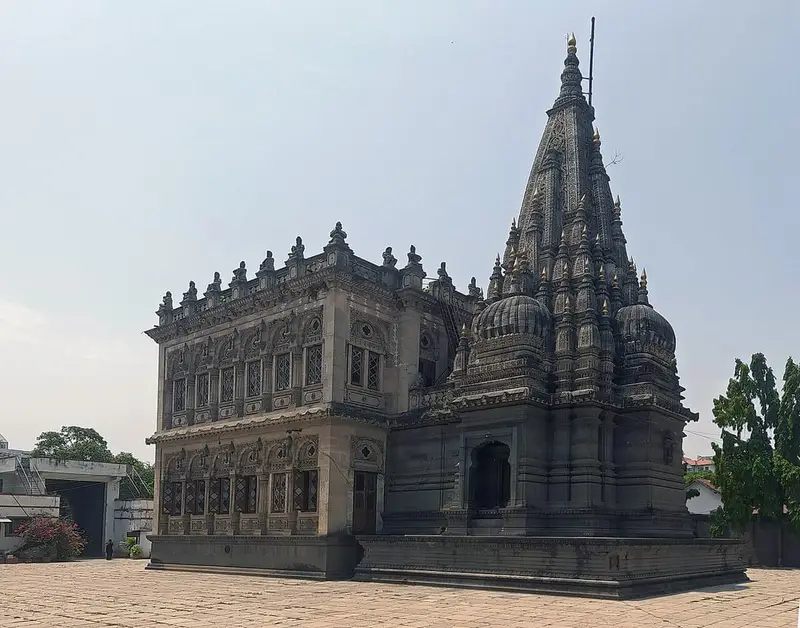
A rock-cut cave temple to Shiva, carved out of one block of basalt in about the 8th century, right on Jangli Maharaj Road. In front of the cave is a round Nandi pavilion cut from the same rock. It is in a small garden, a quiet corner in a busy part of town.
Day 1 of the 2-day planPhoto: Umesh Kale, CC BY-SA 3.0
Chaturshringi Temple
45 min
Temples
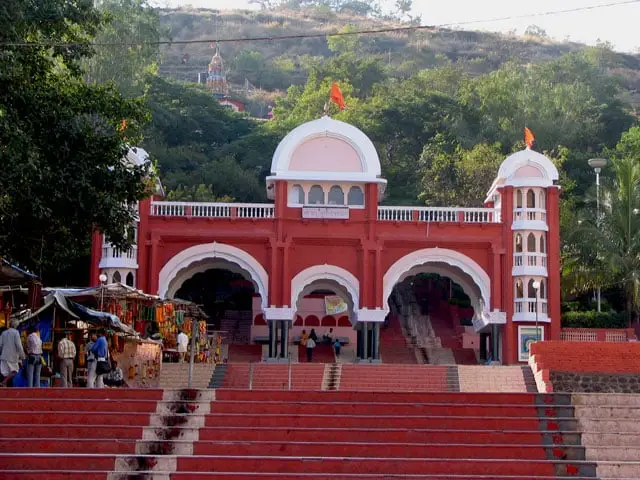
A temple to the goddess Chaturshringi on a hill off Senapati Bapat Road, in the north-west of the city. A wealthy trader rebuilt it in the Peshwa years. About 100 steps take you up to the main shrine, with smaller shrines to Durga and Ganpati on the hill.
Not in our plans. Add it if you have time.Photo: Aakash.gautam, CC BY-SA 3.0
Aga Khan Palace
1 h 15 min
Forts, palaces & wadas
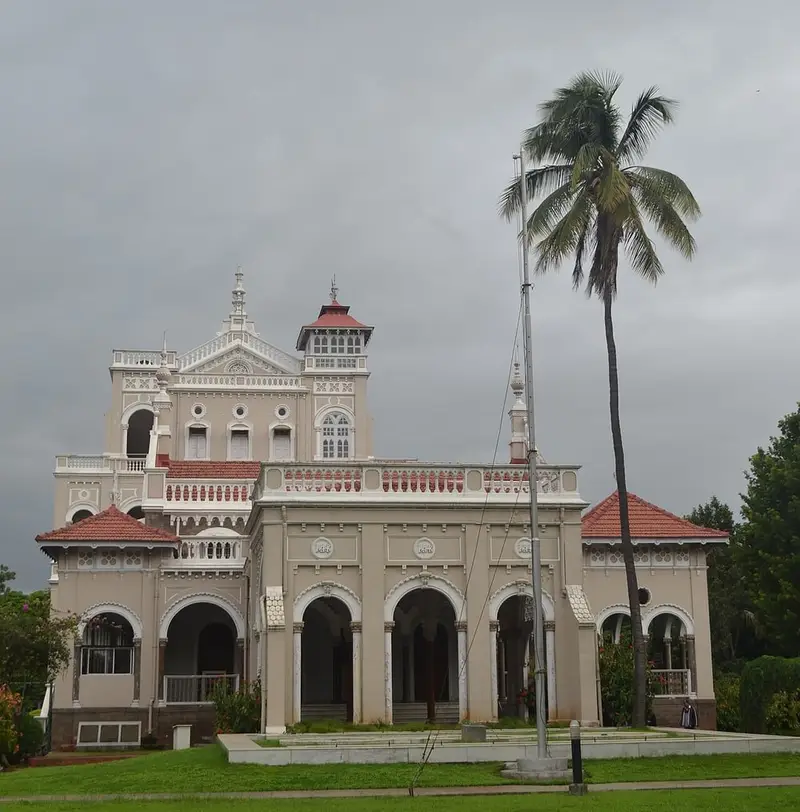
A palace with long arched verandas, built in 1892 by Sultan Muhammed Shah, Aga Khan III. In 1942 the British held Mahatma Gandhi, his wife Kasturba and his secretary Mahadev Desai prisoner here. Kasturba and Mahadev Desai died here, and their memorials are in the garden. The rooms show photos and Gandhi's things.
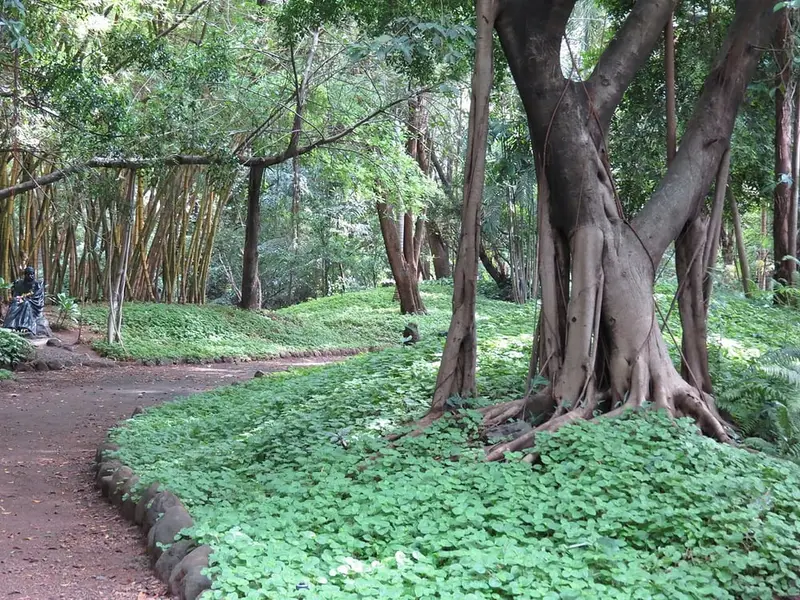
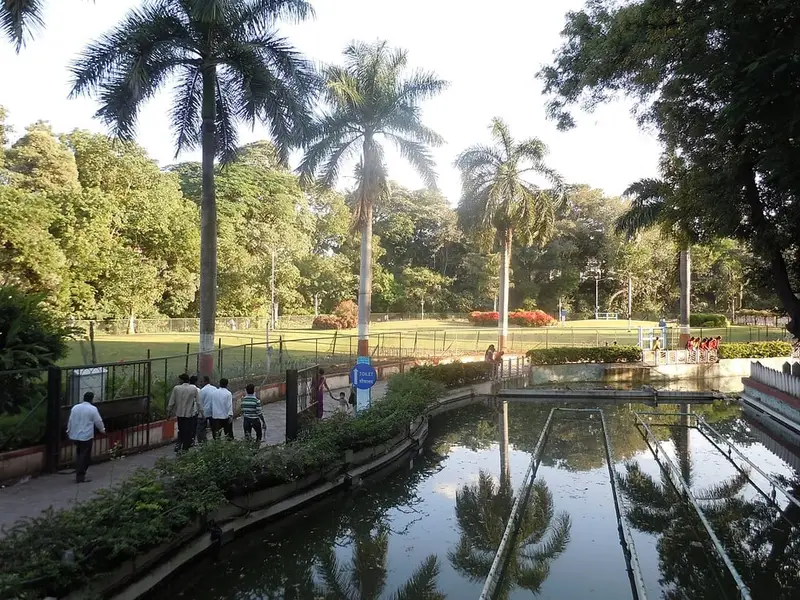
A quiet park in Koregaon Park, made from a dirty stream by the Osho resort next door. Bamboo groves, small bridges, a stream and paths under tall trees. People come to walk slowly or sit, and it is free.
Day 1 of the 2-day planPhoto: Chinmay26r, Public domain
National War Memorial
40 min
Forts, palaces & wadas
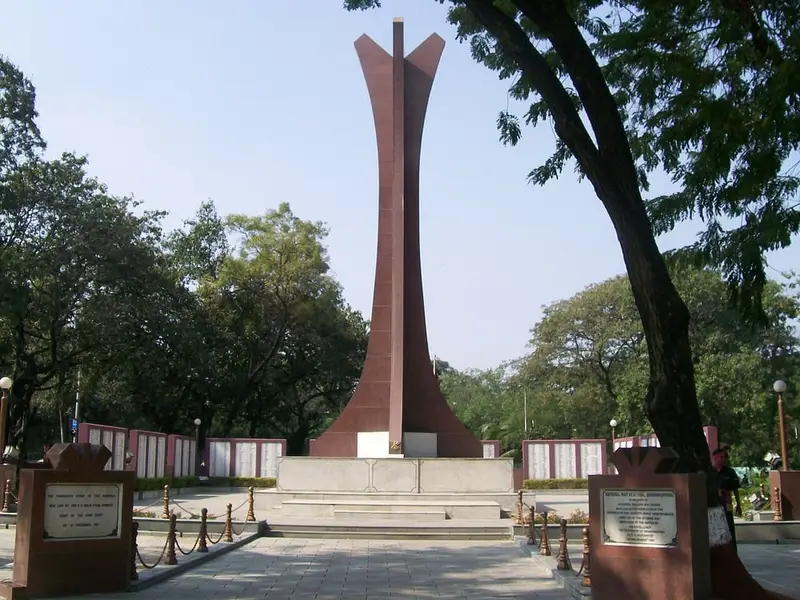
A memorial to Indian soldiers who died after 1947, set up by the people of Pune in 1998 in the Ghorpadi cantonment. There is a granite pillar with the names, a small museum and old weapons in the open: a MiG-23 fighter, a tank and a naval gun.
Not in our plans. Add it if you have time.Photo: Rangan Datta Wiki, CC BY-SA 4.0
Shinde Chhatri
30 min
Forts, palaces & wadas
The memorial hall of Mahadji Shinde, a Maratha general who died here in 1794. The hall built over his resting place in the 1960s has carved stone in the Rajasthani style, stained glass and paintings of the Shinde family.
Not in our plans. Add it if you have time.Photo: Siddhesh Nampurkar, CC BY-SA 3.0
Parvati Hill
1 h 15 min
Temples
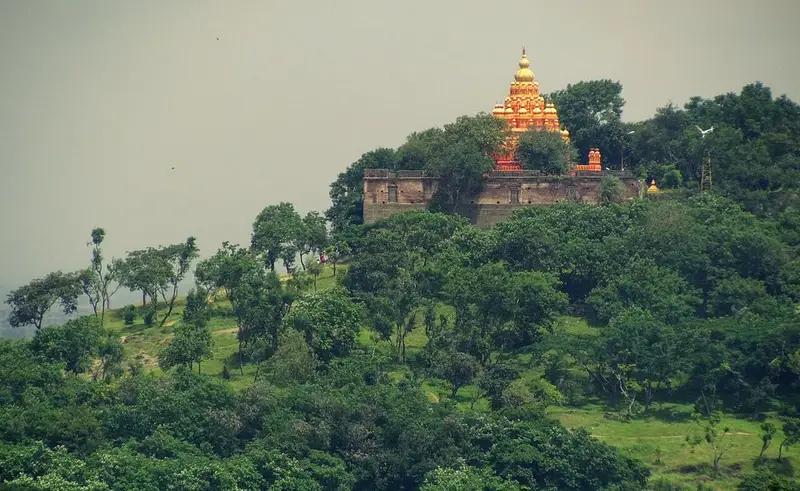
A hill in the middle of Pune with Peshwa-era temples on top: the Parvati temple from 1749, and temples to Vishnu, Kartikeya and Ganpati. You climb about 103 wide stone steps. The top has one of the best views of the city, and a small Peshwa museum.
A park built round an old lake at the foot of Parvati. On the island is the Talyatla Ganpati, a small temple from the 1780s, the Peshwa Ganpati in the lake. The rest is lawns, paths and food stalls along the road outside.
Day 2 of the 2-day planPhoto: Mvkulkarni23, CC BY-SA 3.0
Pu La Deshpande Garden
45 min
Parks, lakes & the zoo
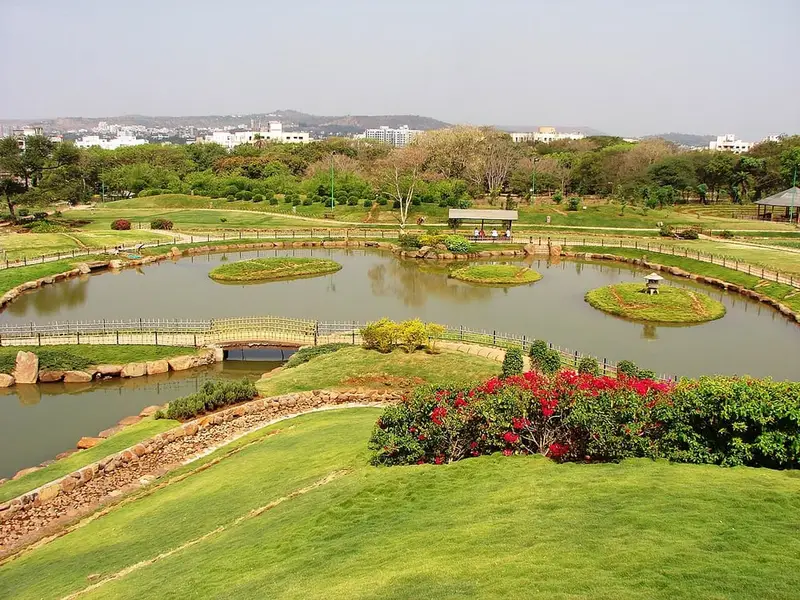
A Japanese garden on Sinhagad Road, made in the style of the Korakuen garden in Okayama, Pune's sister city. Ponds, a small waterfall, stone lanterns, little bridges and neat lawns. It is named after the Marathi writer Pu La Deshpande.
Not in our plans. Add it if you have time.Photo: Nikhil Ghadge, CC BY-SA 4.0
Rajiv Gandhi Zoological Park, Katraj
2 h 30 min
Parks, lakes & the zoo
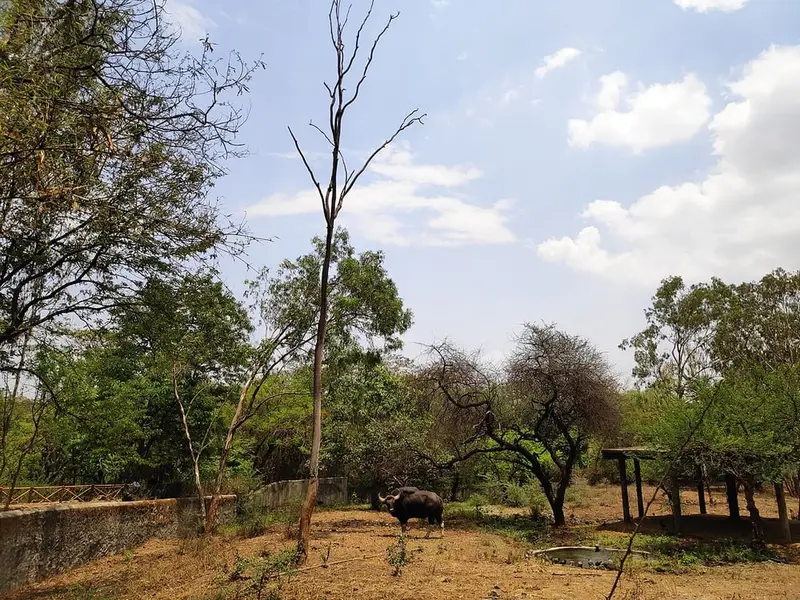
Pune's zoo, on the Satara road at Katraj. It started as a snake park in 1986, and the snakes are still a big part of it. The zoo has tigers, a white tiger, lions, leopards, elephants and sloth bears in large open enclosures round a lake.
Not in our plans. Add it if you have time.Photo: Niraj Suryawanshi, CC BY-SA 3.0
ISKCON NVCC Temple
45 min
Temples
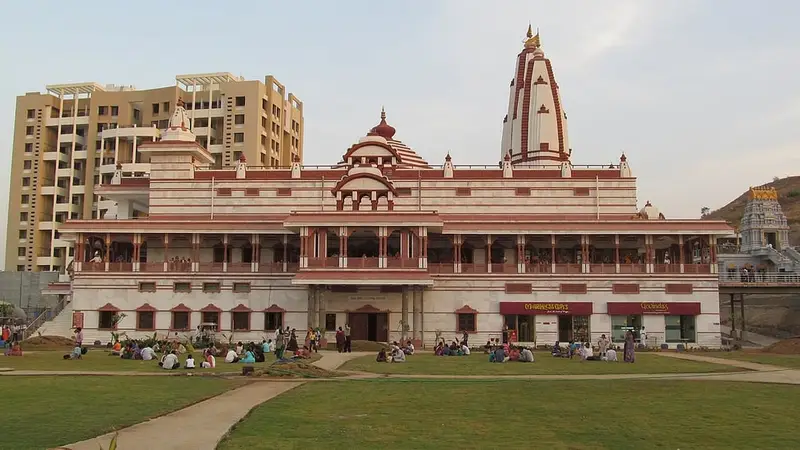
The New Vedic Cultural Centre, a large white marble temple to Radha and Krishna on a hill in Kondhwa. It has a big prayer hall with carved pillars and a painted ceiling, gardens and a vegetarian restaurant.
Not in our plans. Add it if you have time.Photo: SasmitV, CC BY 3.0
Sinhagad Fort
2 h 30 min
Hill forts
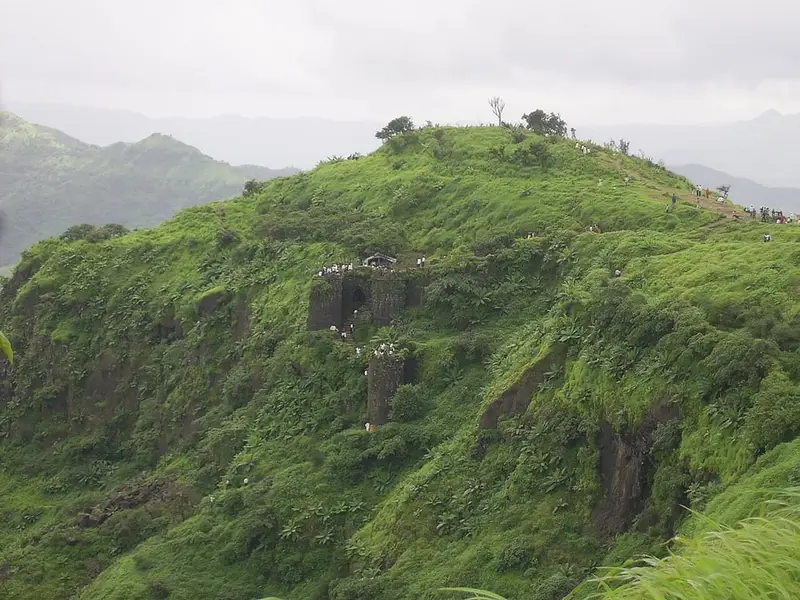
A hill fort about 35 km south-west of Pune, 1,300 m up on the Sahyadri hills. In 1670 Tanaji Malusare, Shivaji's general, climbed its cliffs at night and took it back from the Mughals, and died in the fight. On top are the Kalyan and Pune gates, Tanaji's memorial, Rajaram's tomb, old water tanks and views over Khadakwasla lake.
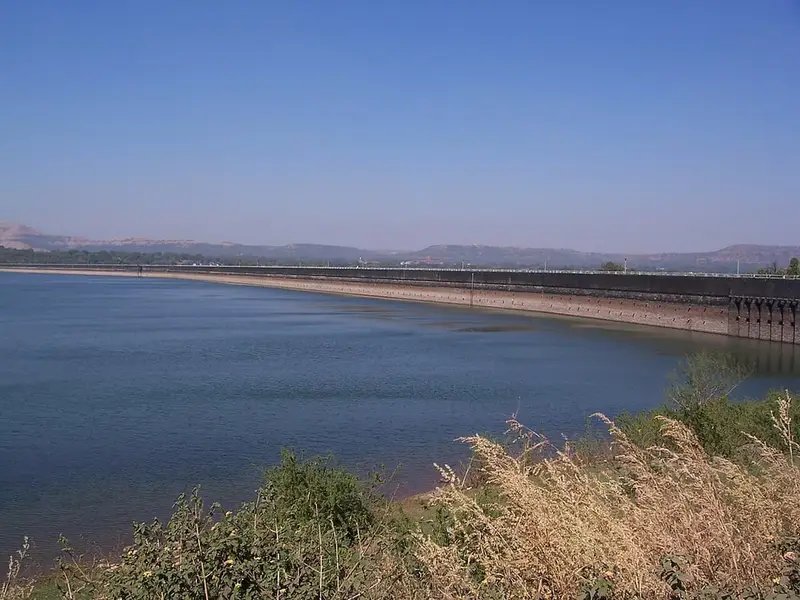
The dam on the Mutha river that holds the lake Pune drinks from, built in 1879. The road runs along the top of the bank, with views over the water to the hills. Stalls sell roasted corn and bhutta, especially in the monsoon.
Day 2 of the 2-day planPhoto: Kalpeshzala59, CC BY-SA 3.0
Karla Caves
2 h
Ancient caves
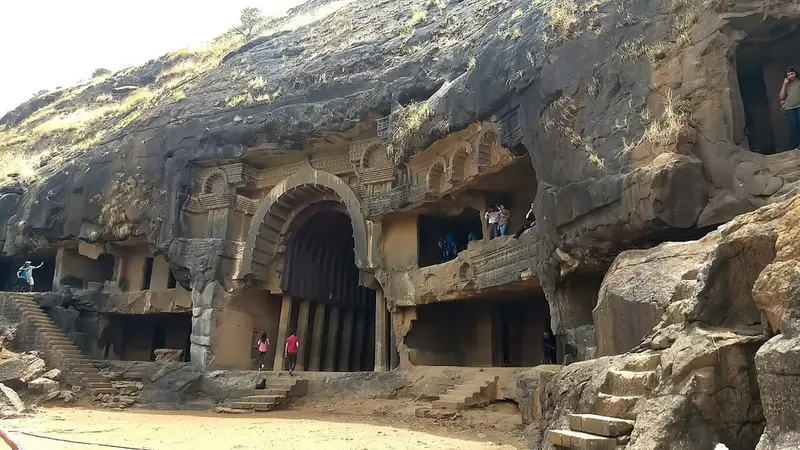
Buddhist caves cut into the hillside near Lonavala about 2,000 years ago. The great prayer hall, the chaitya, is one of the largest of its kind in India: 37 m deep, with a ribbed wooden roof that has lasted since the 1st century BCE, carved elephants, and figures of couples at the entrance. The Ekvira Devi temple stands beside it.
Day 3 of the 3-day planPhoto: KSeraphin, CC BY-SA 4.0
Bhaja Caves
1 h 15 min
Ancient caves
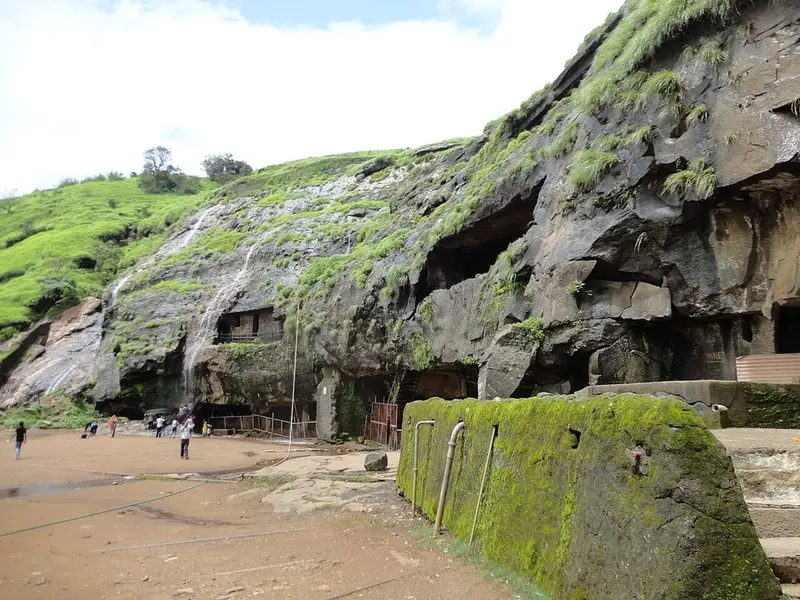
A group of 22 Buddhist caves from about the 2nd century BCE, older than Karla, on the hill across the valley. There is a prayer hall with a wooden-ribbed roof, a row of 14 small stupas, and some of the oldest carvings in western India, including a figure riding an elephant.
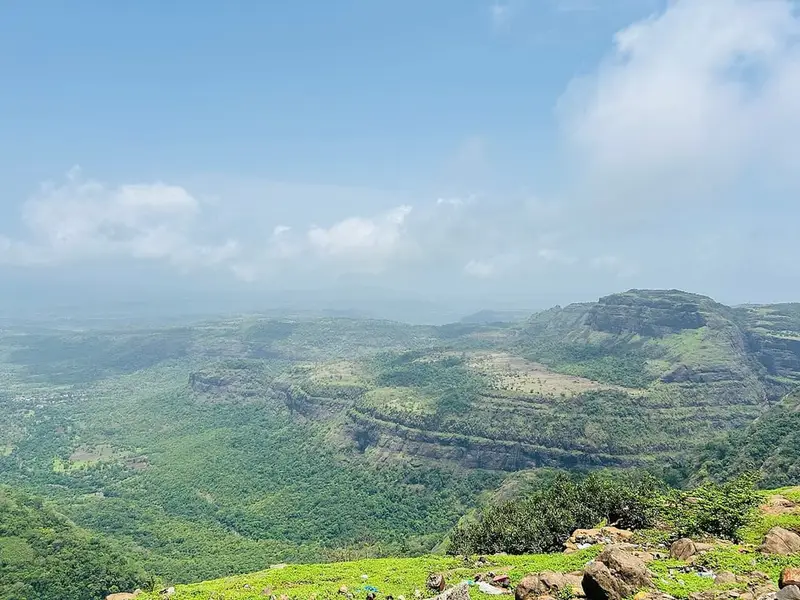
A cliff edge south of Lonavala, also called Tiger's Leap, with a drop of about 650 m into the valley below. On a clear day you see far over the Konkan. In the monsoon the valley fills with cloud and small waterfalls run off the edge.
Day 3 of the 3-day planPhoto: Ketaki Pole, CC BY-SA 3.0
Sant Dnyaneshwar Samadhi, Alandi
1 h
Temples
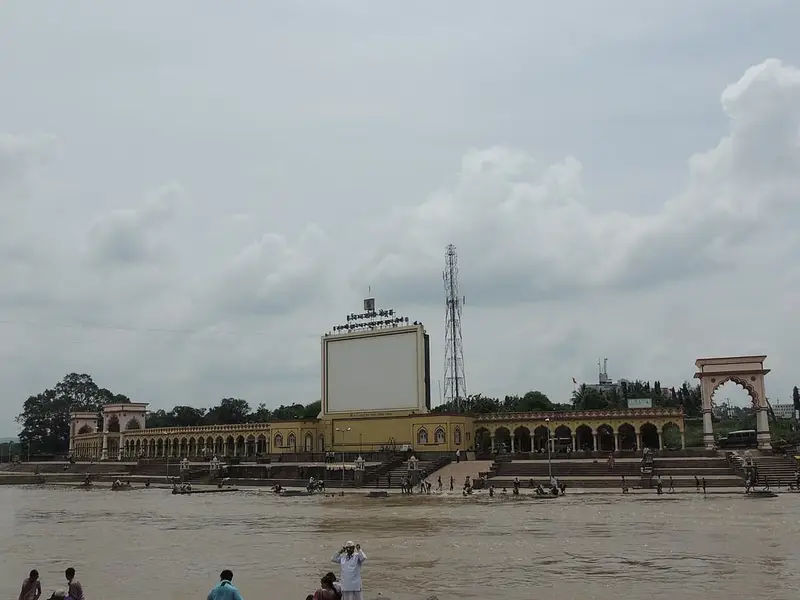
The town on the Indrayani river where the poet saint Dnyaneshwar took samadhi in 1296. The temple over the samadhi is a pilgrim centre for the Warkari tradition, and the start of the walking pilgrimage to Pandharpur every June or July.
Not in our plans. Add it if you have time.
Questions people ask
How many days do you need for Pune?+
Two days: one for the old city round Shaniwar Wada, with the Kelkar Museum and Aga Khan Palace, and one for Sinhagad Fort and Parvati Hill. Add a third for the Karla and Bhaja caves near Lonavala.
What are the Shaniwar Wada timings?+
About 08:00 to 18:30 every day. Indians pay about ₹5 and foreigners about ₹125. The sound and light show is in the evening, in Marathi at about 19:15 and in English at about 20:15, with its own ticket.
Which Pune sights are closed on some days?+
Most of the main ones are open every day. The Katraj zoo is closed on Wednesdays, the Darshan Museum on Thursdays and the Tribal Museum at weekends. ISKCON NVCC closes from about 13:00 to 16:30, Osho Teerth Park from 09:00 to 15:00, and the Pu La Deshpande garden from about 10:30 to 16:00.
Can a cab drive up to Sinhagad Fort?+
Yes. Cabs drive up the ghat road to the paid car park near the top. On weekend and holiday mornings the road can jam for kilometres, and in August 2026 the Forest Department said it plans to cap weekend entry and add online booking. Go early on a weekday.
Is the Katraj zoo worth a visit?+
For families, yes. It has tigers, a white tiger, leopards and a big snake park, and needs 2 to 3 hours. It is open 09:30 to 17:00 and closed on Wednesdays. It fits the Sinhagad day in place of Saras Baug and Parvati.
What about the Ganesh festival?+
Pune's Ganeshotsav, usually in August or September, is one of the biggest in India. Kasba Ganpati leads the procession, and Dagdusheth draws huge crowds. Many old city roads are closed to cars on the main days, so see the old city on foot then.
Where can I shop in the old city?+
Tulshibaug and the Mandai market, a few minutes from Dagdusheth, sell brass and copper pots, bangles, Ganpati idols and kitchen things. The lanes are too narrow for cabs, so walk them in the evening, when they are busiest.
When is the best time to visit Pune?+
October to February, when the days are dry and pleasant. March to May is hot. The monsoon, June to September, is the time for Sinhagad and Lonavala in the clouds, but forts, dams and viewpoints can close in heavy rain.