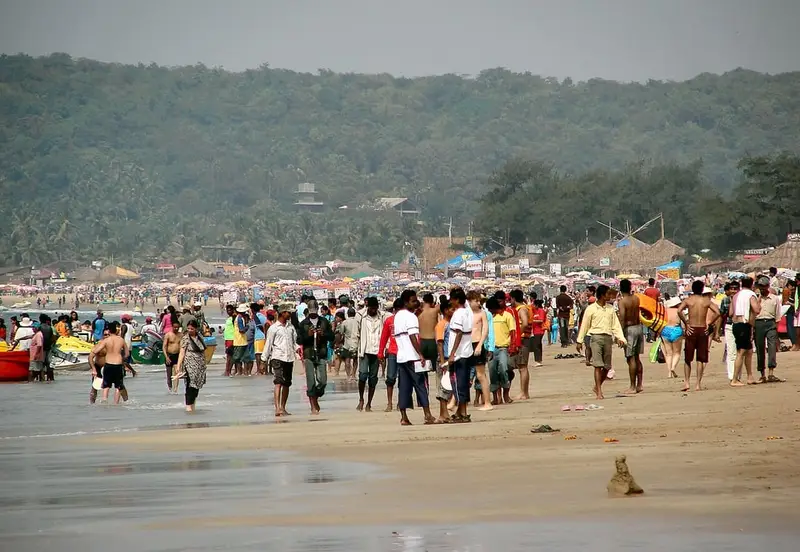

Calangute Beach
45 minThe biggest and busiest beach in North Goa, a long stretch of sand lined with shacks, hotels and water sports counters. It is the beach most visitors see first.
In the 1-day planNorth Goa's best places fit in two days by cab from Calangute. Day one is the coast: Fort Aguada, Candolim, Calangute and Baga beaches, Anjuna, Chapora Fort and Vagator. Day two is the Old Goa churches, with the Basilica of Bom Jesus, then Panjim's Fontainhas quarter, Dona Paula, Miramar and Reis Magos Fort. A third day goes to Mapusa market and the quiet beaches from Arambol to Morjim.
Each plan is a real route by cab, timed against opening hours.
Fort Aguada and the beaches to Vagator
7 places · 42 km by cab
See the plan →Fort Aguada and the beaches to Vagator · Old Goa churches, Panjim and Reis Magos
15 places · 109 km by cab
See the plan →Fort Aguada and the beaches to Vagator · Old Goa churches, Panjim and Reis Magos · Mapusa market and the far north beaches
20 places · 167 km by cab
See the plan →Call or message a local North Goa operator with this plan. Tell them your hotel and dates, and they send a price for the car and driver.
We are still listing North Goa operators. Write to [email protected] and we will put you in touch.
With the best time to go and how long to stay.
| Place | Open | Best time | Visit |
|---|---|---|---|
| Calangute Beach | Open beach, free. Lifeguards watch from 07:00 to sunset; no swimming after sunset, or at all in the monsoon (June to September) | Late morning, or after 16:00 when the sand cools. | 45 min |
| Baga Beach | Open beach, free. Lifeguards watch from 07:00 to sunset; no swimming after sunset, or at all in the monsoon (June to September) | Around lunch, or in the evening for the shacks and clubs. | 45 min |
| Anjuna Beach | Open beach, free. Lifeguards watch from 07:00 to sunset; no swimming after sunset, or at all in the monsoon (June to September). Anjuna has no swim zone: the beach is rocky | Afternoon. On a Wednesday in season, add the flea market. | 45 min |
| Miramar Beach | Open beach, free. Lifeguards watch from 07:00 to sunset; no swimming after sunset, or at all in the monsoon (June to September) | Late afternoon, or at sunset. | 30 min |
| Basilica of Bom Jesus | Monday to Saturday from 09:00; Sunday from about 10:30, after the morning Masses. Two listings say open to 18:30, Google says 17:00. Free. Closed to visitors in Holy Week | Morning, before the tour buses. | 45 min |
| Se Cathedral and St Francis of Assisi | Se Cathedral about 07:30 to 18:00; St Francis of Assisi about 09:00 to 17:00, may be shut to visitors on Sundays; the Archaeological Museum 09:00 to 17:00, closed Fridays (about ₹10). Churches free | Late morning, after Bom Jesus. | 1 h |
| Dona Paula | Jetty and viewpoint about 06:00 to 22:00. About ₹50 for adult visitors (₹25 for ages 10 to 18)? | Late afternoon. | 45 min |
| Fort Aguada | About 09:30 to 17:00 every day (listings range from 09:00 to 18:00). The jail museum below costs about ₹200 | First thing in the morning, before the heat. | 1 h |
| Candolim Beach | Open beach, free. Lifeguards watch from 07:00 to sunset; no swimming after sunset, or at all in the monsoon (June to September) | Late morning. | 30 min |
| Vagator Beach | Open beach, free. Lifeguards watch from 07:00 to sunset; no swimming after sunset, or at all in the monsoon (June to September) | Sunset: about 18:00 in winter, about 19:00 in summer. | 1 h |
The biggest and busiest beach in North Goa, a long stretch of sand lined with shacks, hotels and water sports counters. It is the beach most visitors see first.
In the 1-day plan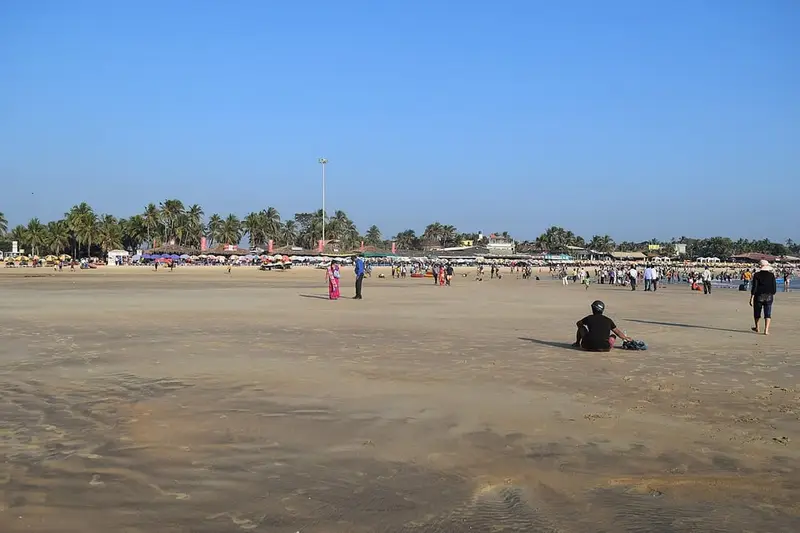
The north end of the Calangute strip, where the Baga creek meets the sea. It is lively all day, with shacks on the sand and Tito's Lane and its clubs a short walk inland.
In the 1-day plan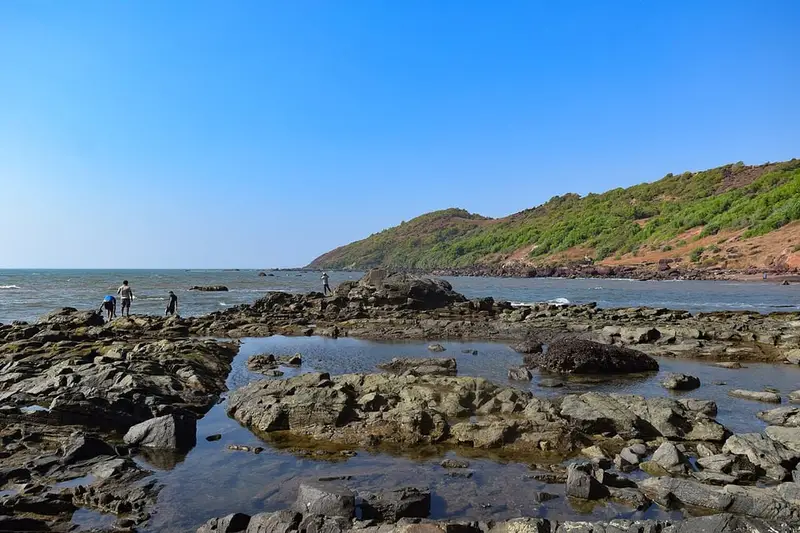
A rocky beach below red cliffs, known since the 1960s for its hippie history and its Wednesday flea market. The rocks at the south end make good photos at low tide.
In the 1-day plan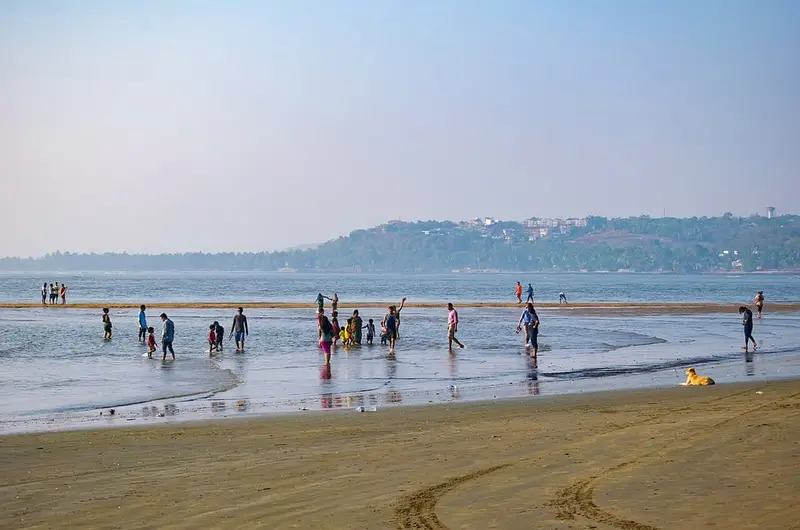
Panjim's city beach, where the Mandovi river meets the sea. From the sand you look across the river mouth to Fort Aguada and Reis Magos. Locals come here for an evening walk.
Day 2 of the 2-day plan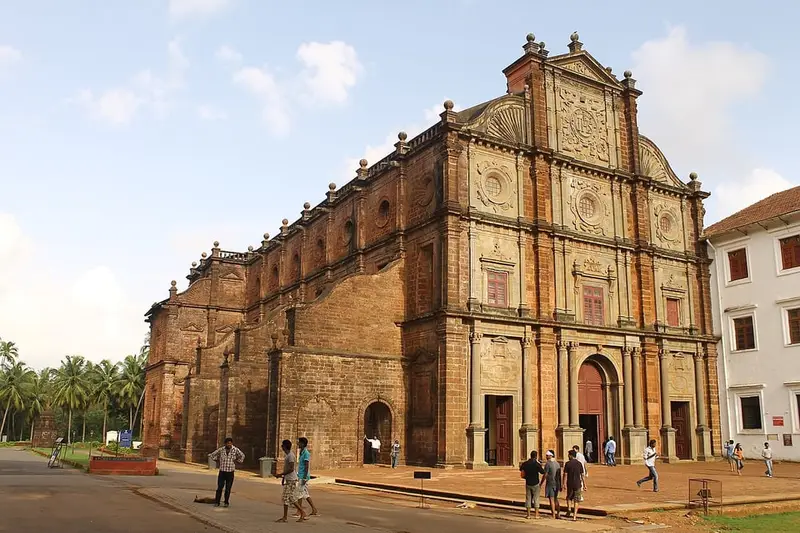
The most famous church in Goa, finished in 1605, with a plain red stone front and a gilded altar inside. It holds the tomb of St Francis Xavier. It is part of the Old Goa churches World Heritage Site.
Day 2 of the 2-day plan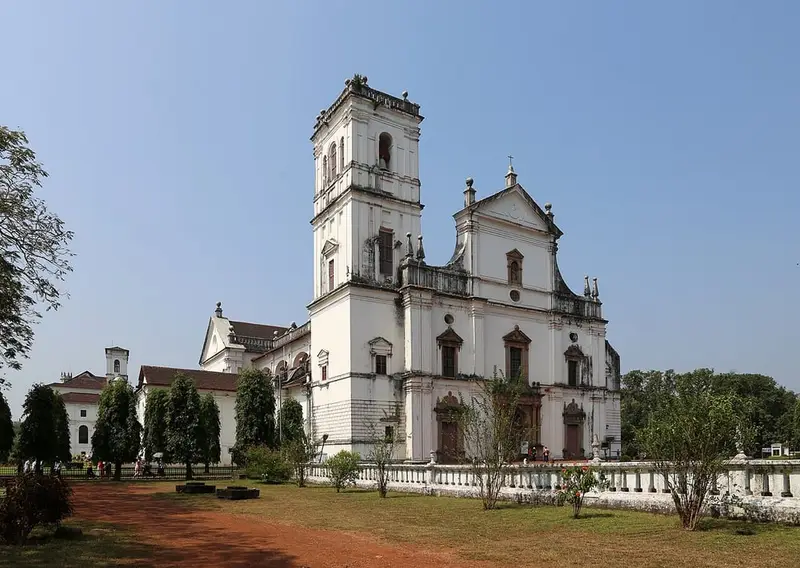
Across the road from Bom Jesus, the huge white Se Cathedral is one of the largest churches in Asia, with a famous Golden Bell. Beside it are the Church of St Francis of Assisi, with painted walls, and the Archaeological Museum, with old portraits of the Portuguese governors.
Day 2 of the 2-day plan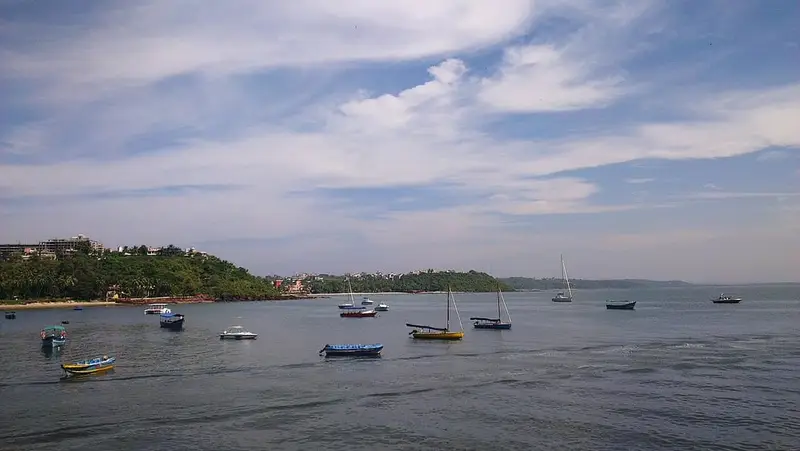
A rocky headland south of Panjim where the Mandovi and Zuari rivers meet the sea. A jetty runs out to a viewpoint over the bay and Mormugao port, and there is a statue and a lot of small stalls.
Day 2 of the 2-day plan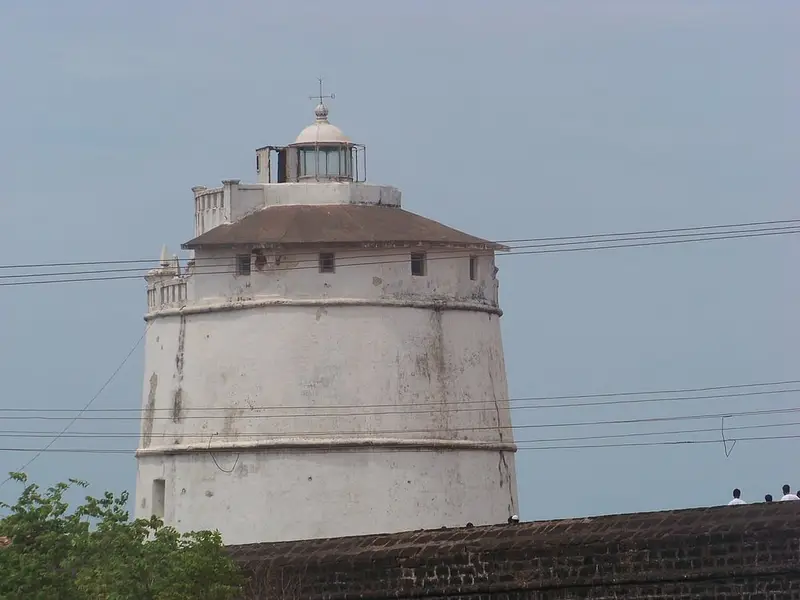
A Portuguese fort from 1612 on the headland at the south end of the beaches. Ships once filled their water tanks from its spring. The old lighthouse from 1864 stands inside the walls, and you can see along the whole coast to Calangute.
In the 1-day plan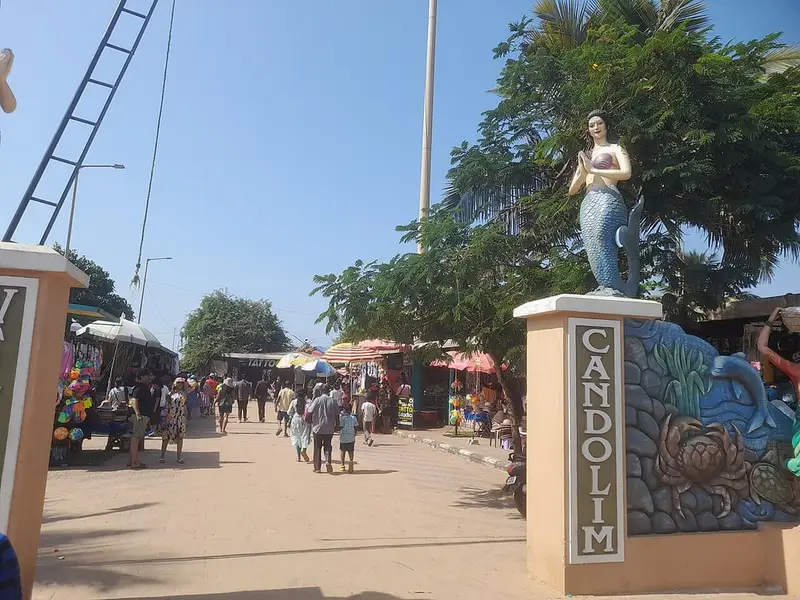
A long, quieter beach between Sinquerim and Calangute, with soft sand and fewer crowds than its neighbours.
In the 1-day plan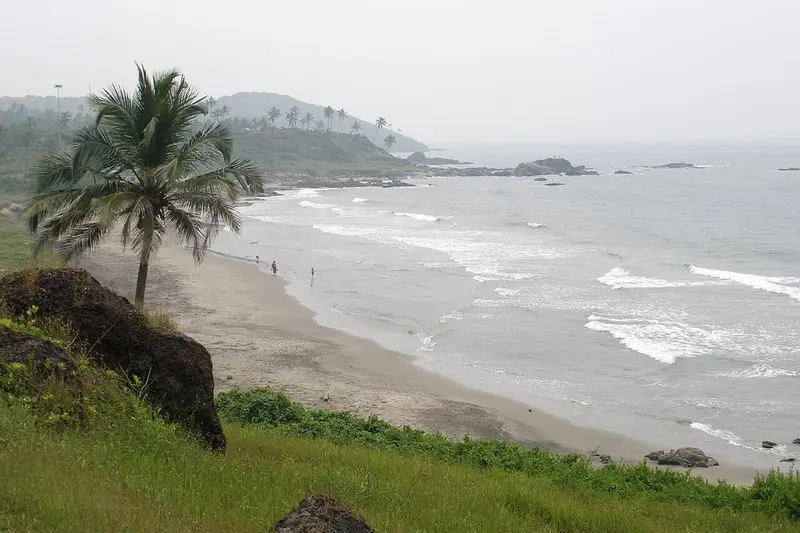
Two beaches under red cliffs below Chapora Fort: Big Vagator to the north and Little Vagator (Ozran) to the south. The cliffs make it one of the best places in North Goa to watch the sun go down.
In the 1-day plan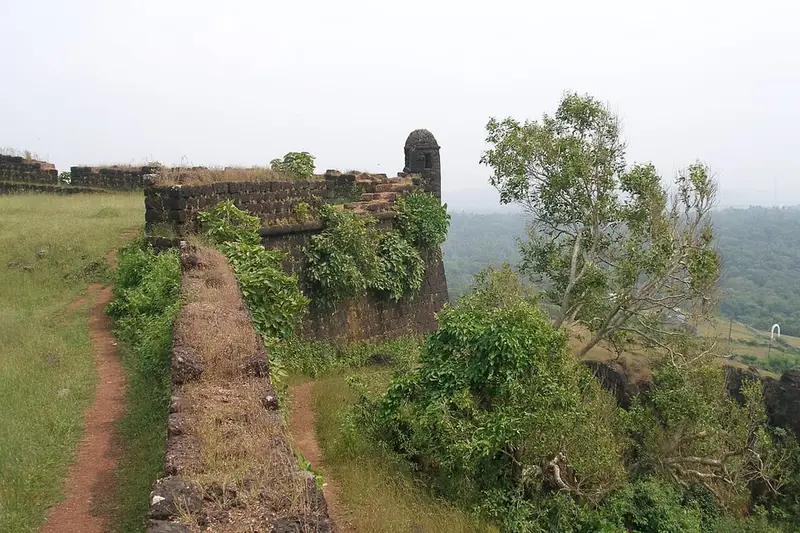
The ruined walls of a Portuguese fort from 1717 on a hill over the Chapora river. Little is left inside, but the views are wide: Vagator below, the river mouth and Morjim across the water. Many know it from the film Dil Chahta Hai.
In the 1-day plan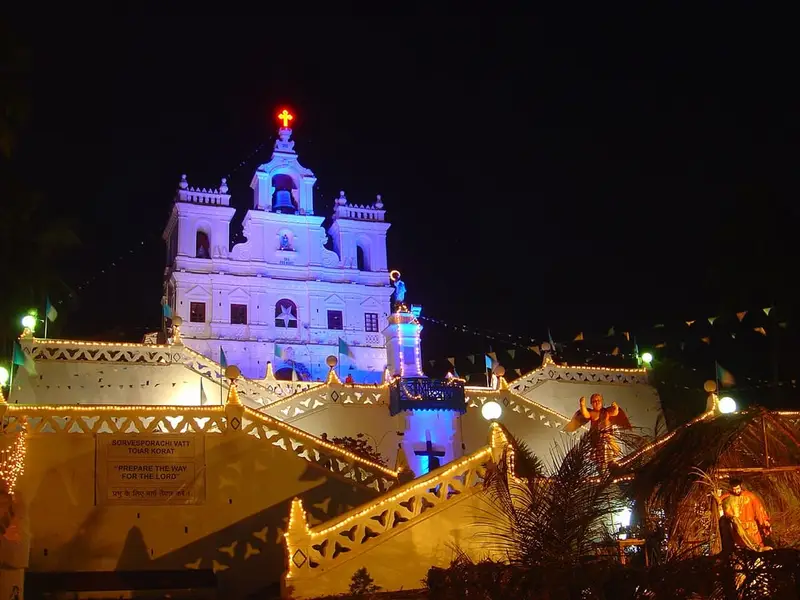
The white church with zigzag stairs in the centre of Panjim, first built in 1541 and rebuilt in 1619. Its big bell came from the ruined church of St Augustine in Old Goa. It is Panjim's best-known picture.
Day 2 of the 2-day plan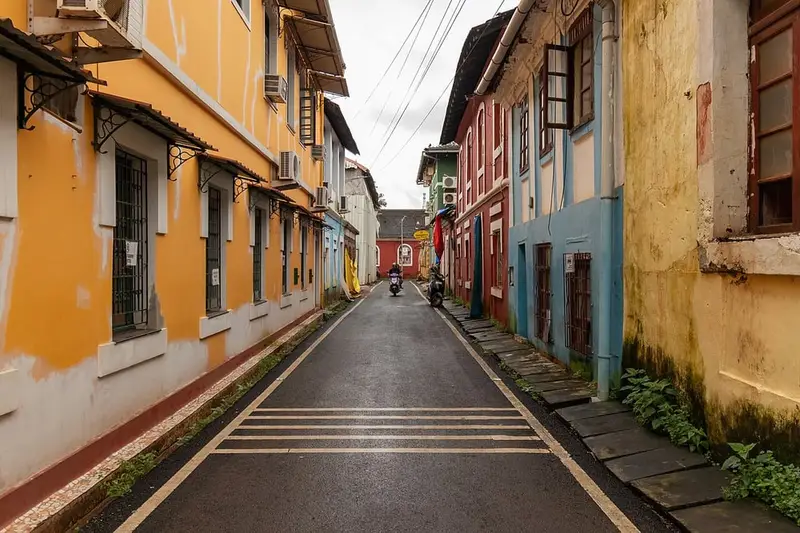
Panjim's old Latin Quarter: narrow lanes of yellow, blue and red Portuguese-era houses with tiled roofs and balconies. It has small cafés, bakeries and art galleries, and the white Chapel of St Sebastian.
Day 2 of the 2-day plan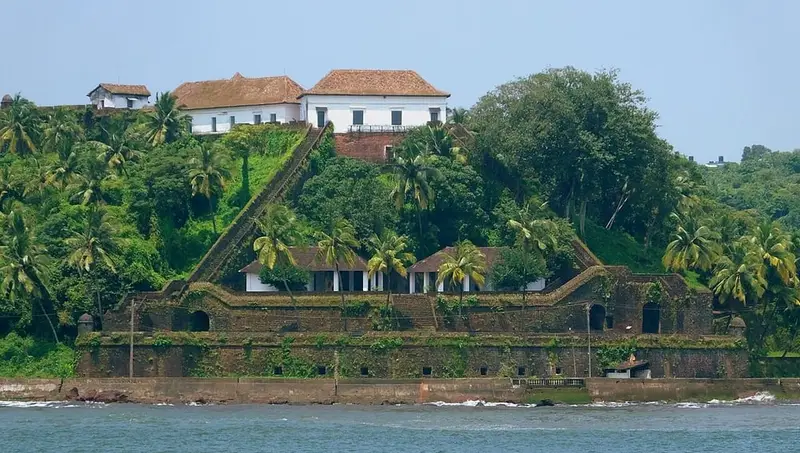
A small, well restored Portuguese fort from 1551 on the north bank of the Mandovi, facing Panjim. Inside are exhibits on Goa's history and the fort's years as a jail, and the walls look across the river to the city.
Day 2 of the 2-day plan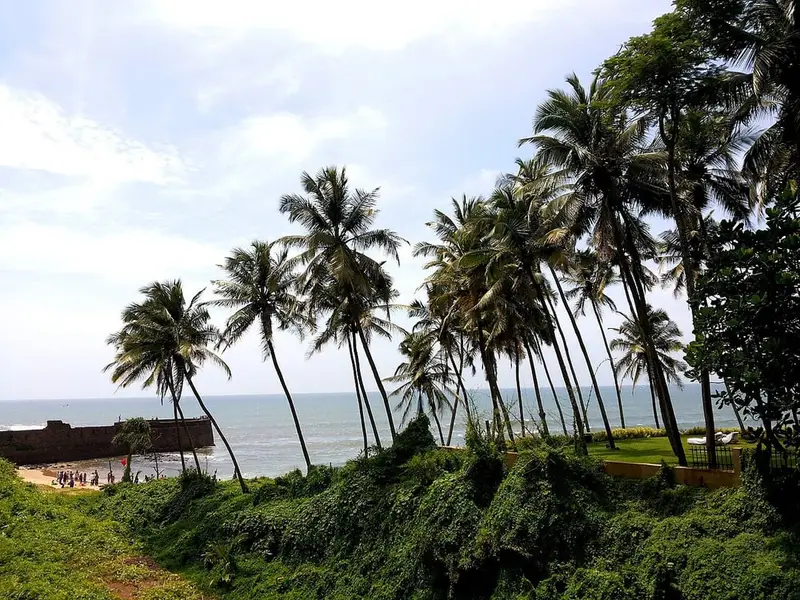
The southern end of the long beach that runs up to Baga, right below Fort Aguada. The fort's old walls reach down to the sand at its south end.
Not in our plans. Add it if you have time.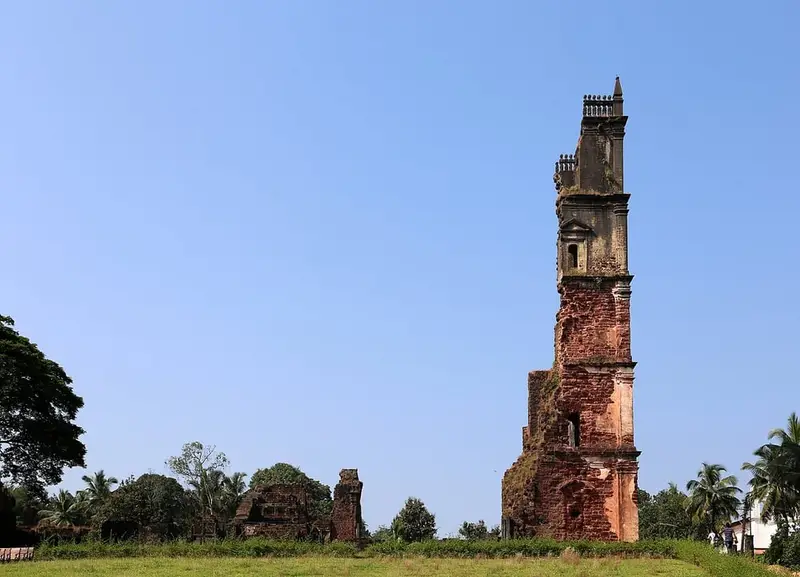
The one tall tower left of the Church of St Augustine, built in 1602 and once one of the biggest churches in Goa. It stands on Holy Hill, a short drive from Bom Jesus, among the stone ruins of the old church.
Day 2 of the 2-day plan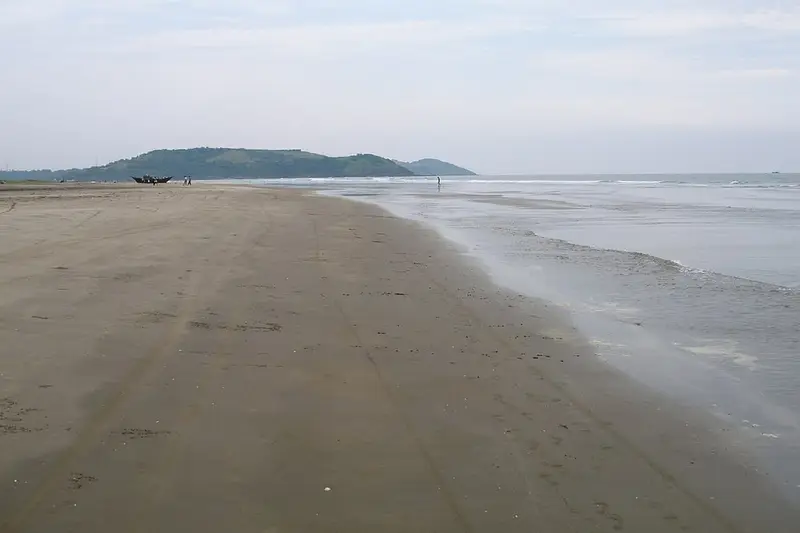
A wide, flat beach at the mouth of the Chapora river, across the water from Chapora Fort. Olive Ridley turtles nest here in winter, and the beach is a declared silent zone.
Day 3 of the 3-day plan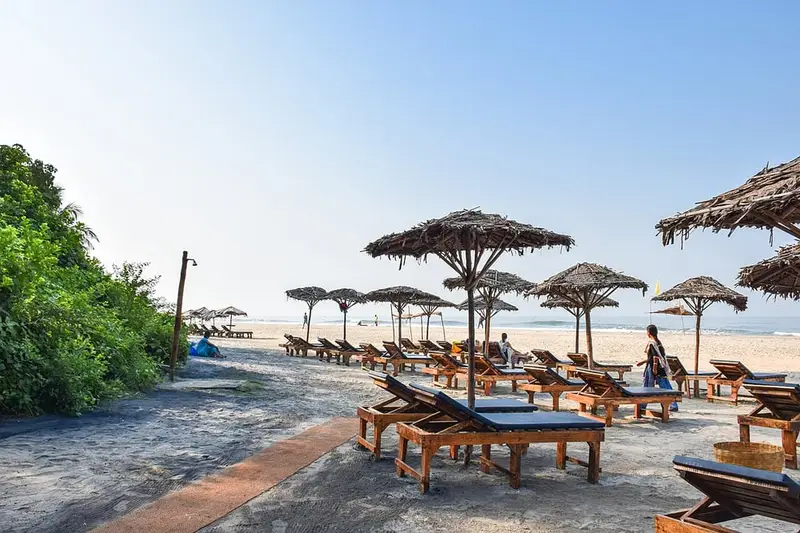
A quiet, clean beach between Morjim and Mandrem, with rocks at the water's edge, calm shallow water at low tide and stylish shacks and huts under the palms.
Day 3 of the 3-day plan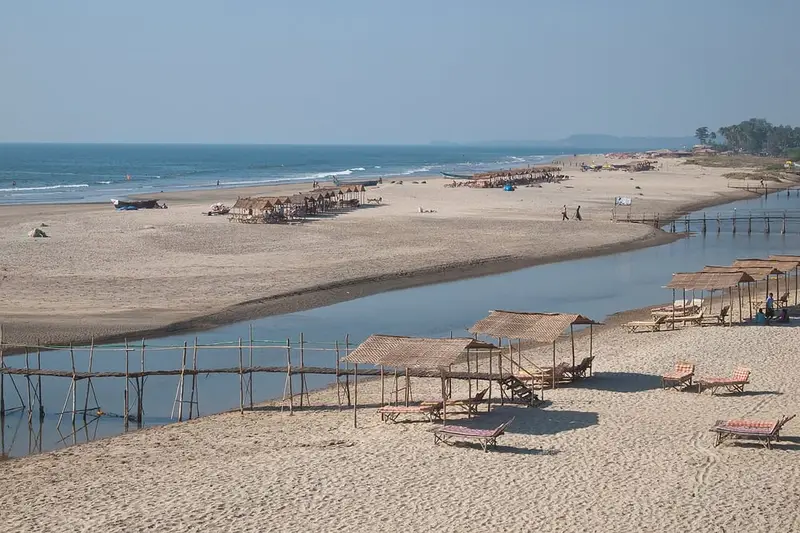
A long, peaceful beach with a creek running behind it, crossed by small bamboo bridges to the huts. It is popular for yoga retreats and quiet stays.
Day 3 of the 3-day plan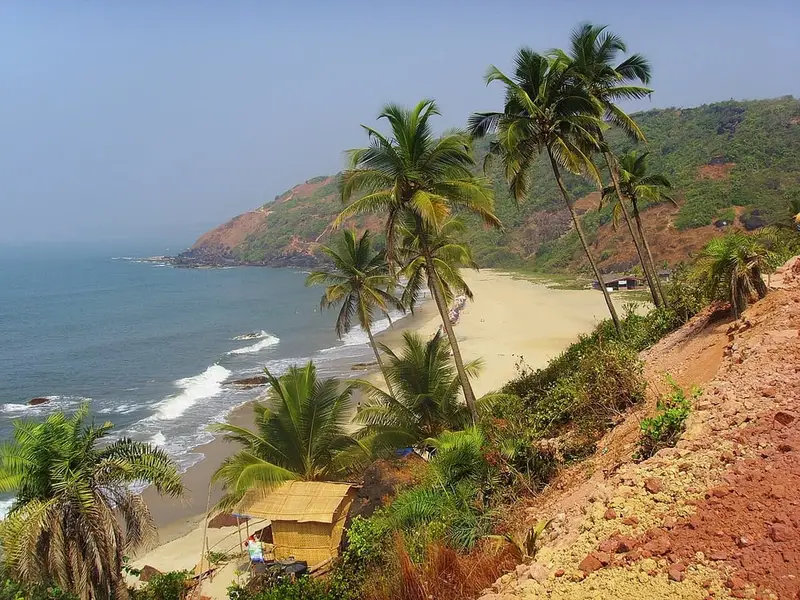
The northernmost big beach in North Goa, with a laid-back crowd, drum circles at sunset and cheap cafés. A short walk north round the rocks is the Sweet Water Lake, a freshwater pool behind the sand at the foot of a jungle hill.
Day 3 of the 3-day plan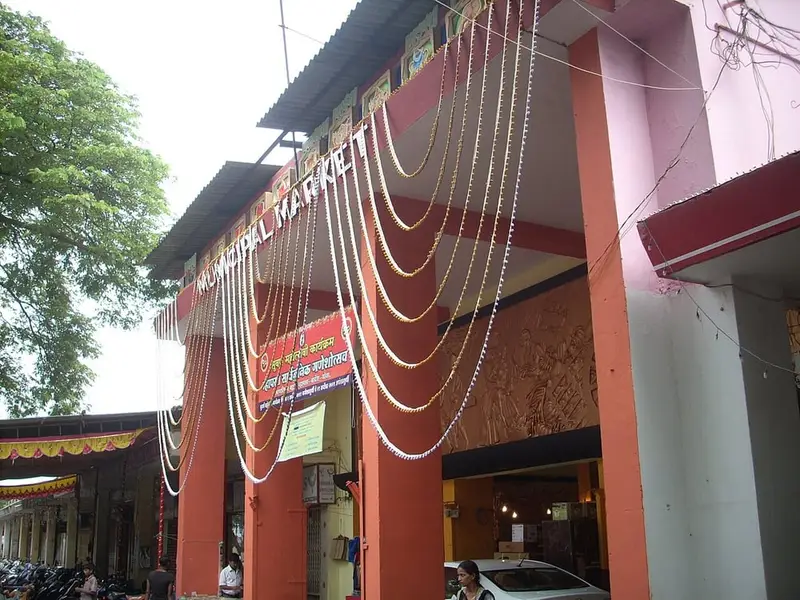
The main market town of North Goa, inland from the beaches. On Friday mornings villagers fill it with fruit, spices, Goan sausages, cashews, poi bread and pottery. It is where locals shop, not a tourist market.
Day 3 of the 3-day plan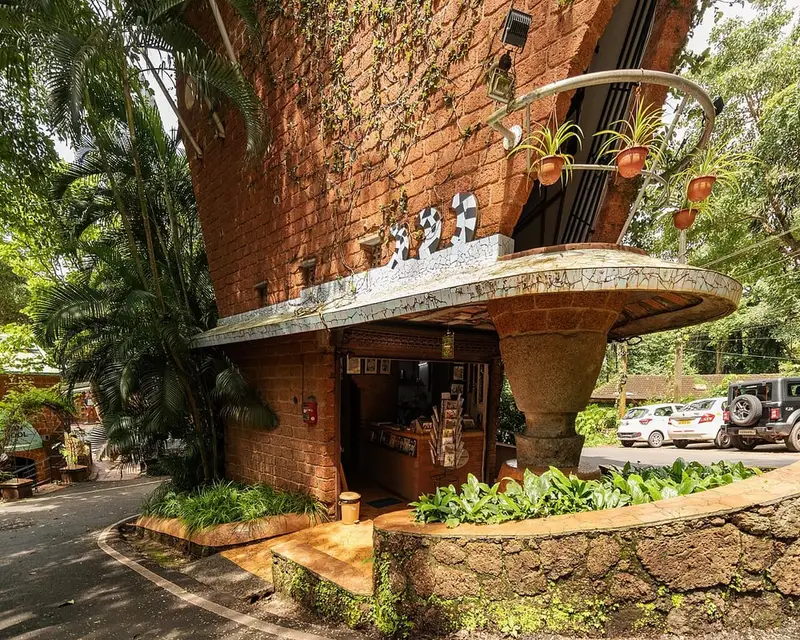
A small museum about Goan houses, in a triangular building like a ship designed by the architect Gerard da Cunha at Torda, near Porvorim. It shows doors, windows, tiles and furniture from old Goan homes.
Not in our plans. Add it if you have time.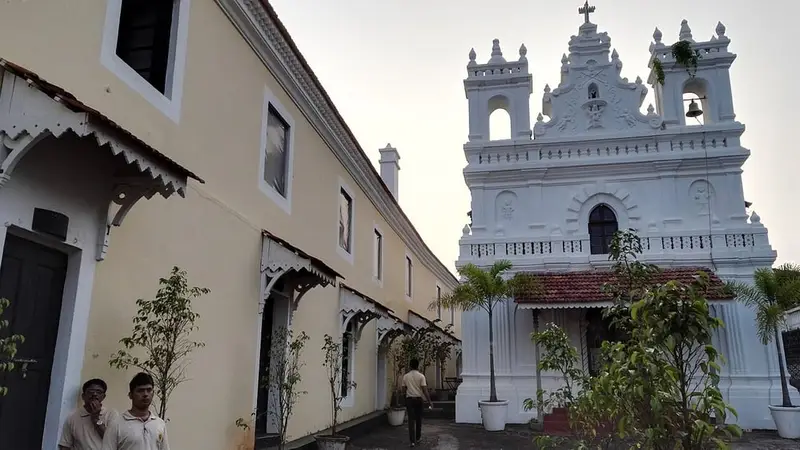
A small fort at the very north tip of Goa, on a hill over the mouth of the Tiracol river, with a white chapel in its courtyard. It is now a heritage hotel.
Not in our plans. Add it if you have time.Two days covers the main sights: one day for Fort Aguada and the beaches from Candolim to Vagator, and one for Old Goa's churches, Panjim, Dona Paula and Reis Magos Fort. A third day adds Mapusa market and the quieter beaches from Arambol to Morjim.
North Goa is busier, with the famous beaches, shacks, markets and nightlife, plus Panjim and the Old Goa churches. South Goa is quieter, with long, calm beaches such as Colva, Benaulim and Palolem, and the temples and spice farms round Ponda. Pick North Goa for things to do, South Goa for a peaceful beach stay; many people spend a day in the other half.
Yes, inside the red and yellow flags while the lifeguards are on duty, from 07:00 to sunset. Do not swim after sunset, at Anjuna (it is rocky and has no swim zone) or anywhere in the monsoon, from June to September, when swimming is banned.
On Wednesdays in the season, roughly November to March, from about morning to sunset, behind Anjuna Beach. We could not confirm this season's dates, so ask your hotel before you plan around it.
Yes, the Saturday Night Bazaar at Arpora, between Baga and Anjuna, runs on Saturday evenings from about November or December to April. It gets busy from about 18:00 to 19:00. The older Ingo's night market has closed.
No. Shacks may run from September to May, and most are up by October or November. In the monsoon, from about June to September, most are taken down, swimming is banned and the beaches are quiet.
Yes. One-hour sunset cruises with Goan music and dance leave from the Santa Monica jetty in Panjim at about 18:00, and later ones at about 19:15; a private operator charges about ₹500. It is after the day plan ends, so book the cab for the evening or take a local taxi.
Yes, by ferry. Old Goa to Divar and Ribandar to Chorao run from 06:00 and are free on foot. The Salim Ali Bird Sanctuary on Chorao, open about 06:00 to 18:00, is a short walk from the Chorao jetty. Leave the cab at the jetty: a tourist car on the Chorao ferry pays about ₹100 to ₹300.
Dudhsagar is a full day trip inland, on the Karnataka border, with the last part in a forest jeep, so it is not in these plans.


