See the Dakshineswar Kali Temple and Belur Math across the river first, before they close at midday, then Howrah Bridge and the flower market, the Indian Museum and the Victoria Memorial, and end at Prinsep Ghat, about 43 km by cab. With two days, the first adds north Kolkata: Kumartuli's idol makers, Tagore's house and College Street. The second is Kalighat, Mother House, the museums and the Birla Mandir. Avoid Mondays, when most museums are shut.
24 placesroutes from road routing, timed against opening hours
How many days do you need?
Each plan is a real route by cab, timed against opening hours.
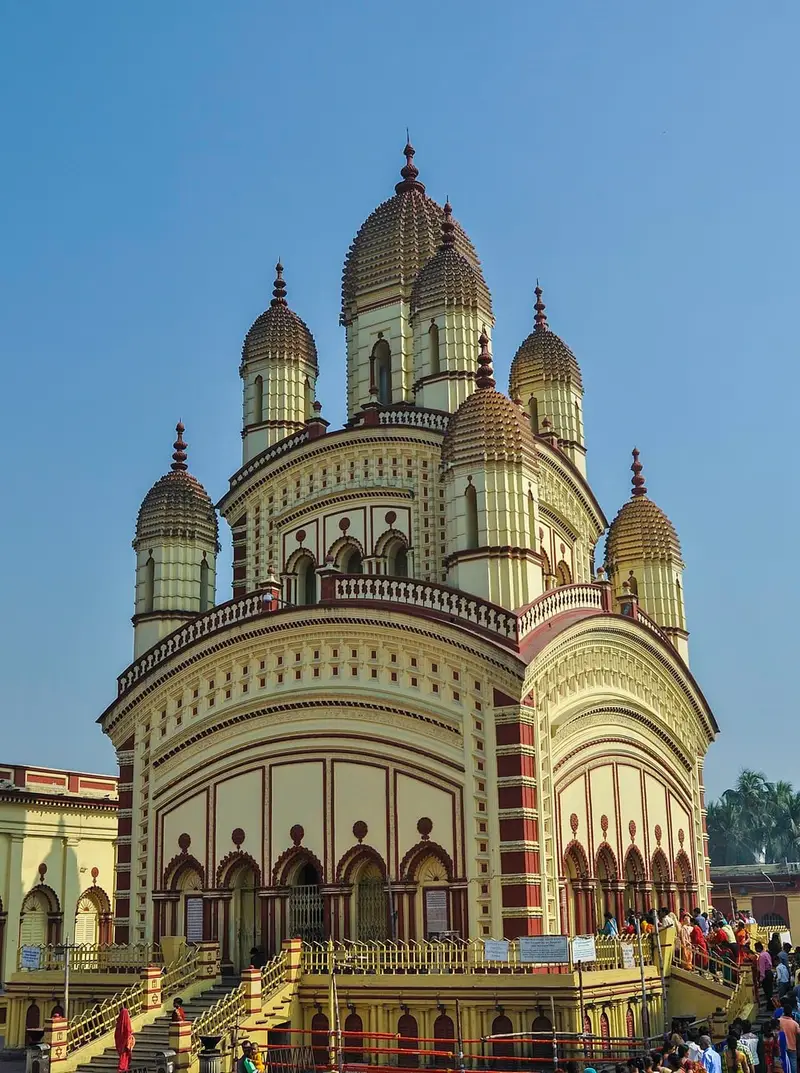
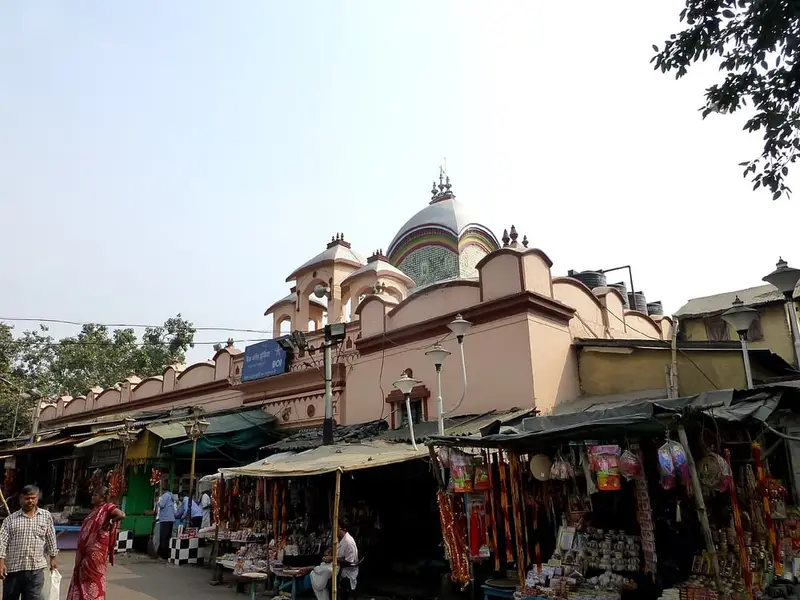
A big temple on the east bank of the Hooghly, built in 1855 by Rani Rashmoni, a rich widow of Kolkata. The main shrine to Kali has a nine-spired roof, and a row of twelve Shiva temples faces the river. Sri Ramakrishna was a priest here, and his room in the courtyard is kept as it was.
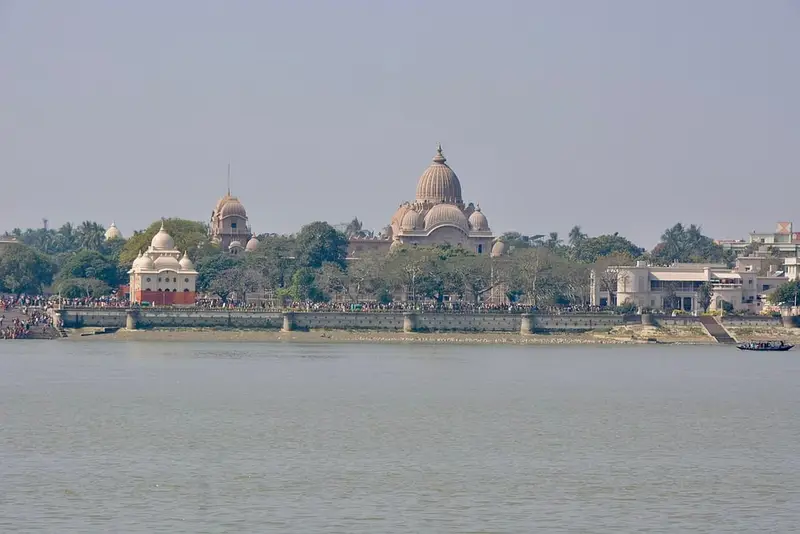
The headquarters of the Ramakrishna Mission, on the west bank of the Hooghly. Swami Vivekananda chose the site in 1898. The main temple mixes Hindu, Christian and Islamic shapes on purpose, to say that all religions lead to one truth. The lawns run down to the river, and there is a small museum.
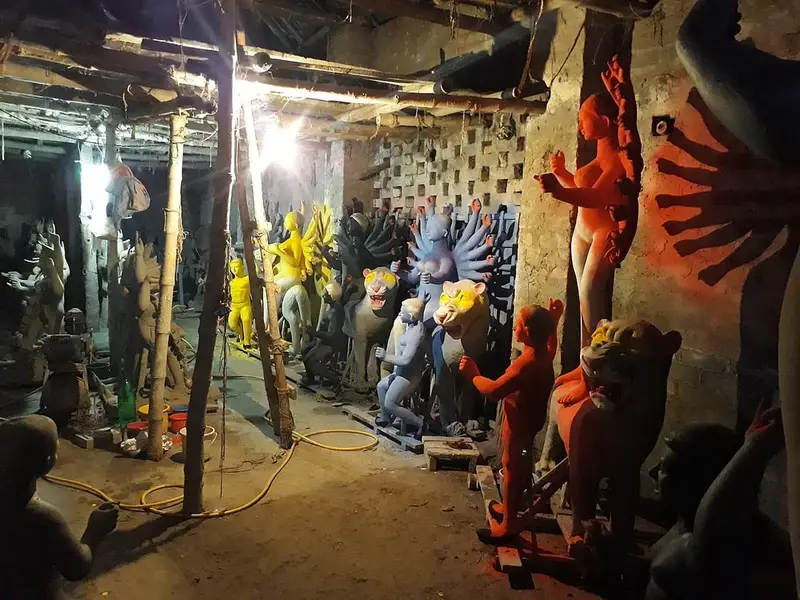
The potters' quarter of north Kolkata, where clay idols for Durga Puja and other festivals have been made for over 300 years. Narrow lanes are lined with open workshops: straw frames, clay from the Hooghly, and rows of half-painted goddesses drying in the sun.
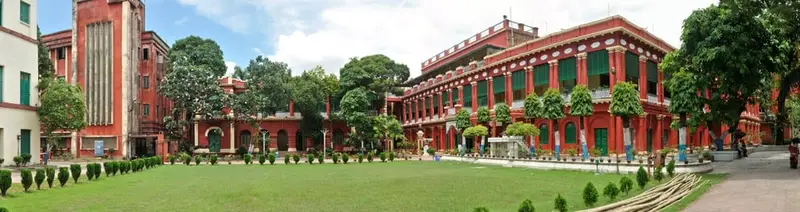
The family home of Rabindranath Tagore, the poet who won the Nobel Prize in 1913. He was born and died in this red house. It is now a museum of his life, with his rooms, paintings, letters and the family's part in the Bengal Renaissance.
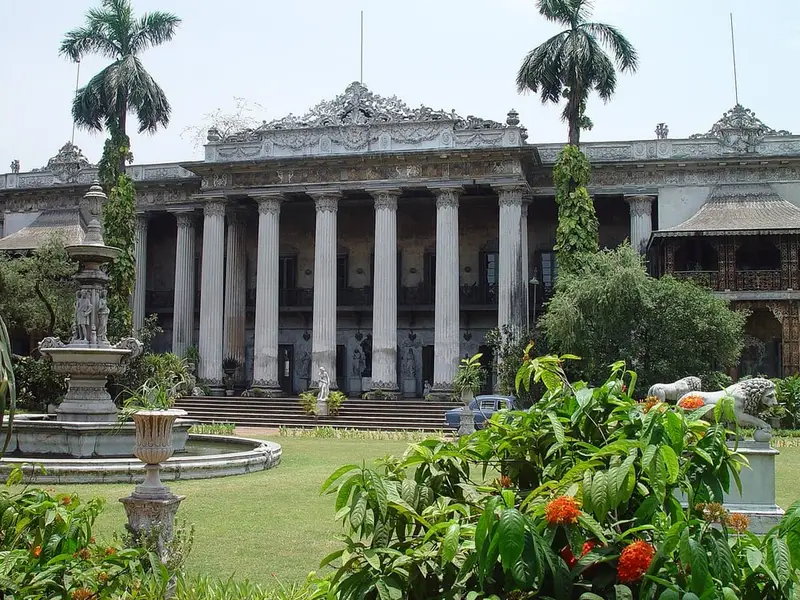
A private mansion built in 1835 by Raja Rajendra Mullick, with walls and floors of 90 kinds of marble. The family still lives in part of it. The rooms are packed with Victorian statues, chandeliers, clocks and paintings, and there is a small zoo of birds in the garden.
Day 1 of the 2-day planPhoto: Pinakpani, CC BY-SA 4.0
College Street and Indian Coffee House
1 h
Markets and streets
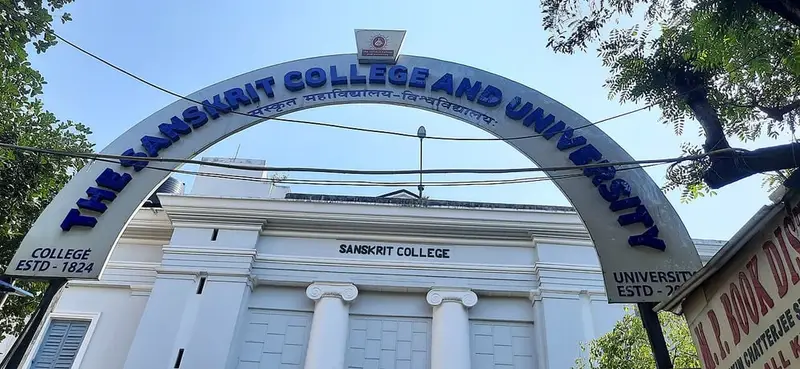
A long street of second-hand and new bookstalls next to Calcutta University and Presidency College, said to be the biggest book market in Asia. Upstairs at the Indian Coffee House, writers, students and politicians have argued over coffee and cutlets since the 1940s.
Day 1 of the 2-day planPhoto: Sumitsurai, CC BY-SA 3.0
Nakhoda Masjid
30 min
Temples and places of worship
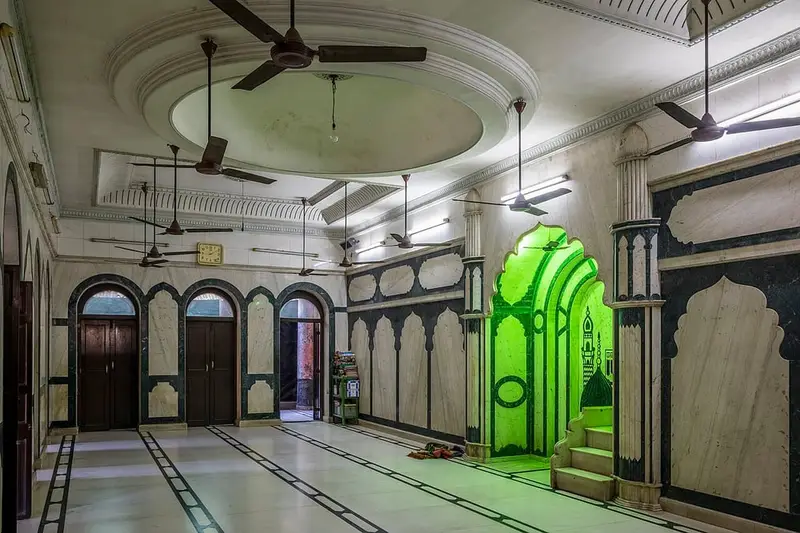
Kolkata's largest mosque, finished in 1926 in red sandstone. Its gate copies Akbar's tomb at Sikandra, and it can hold about 10,000 people. The streets round it in Burrabazar and Chitpur are one of the city's busiest bazaars.
Not in our plans. Add it if you have time.Photo: Arghamallick5151, CC BY-SA 4.0
Howrah Bridge
45 min
Markets and streets
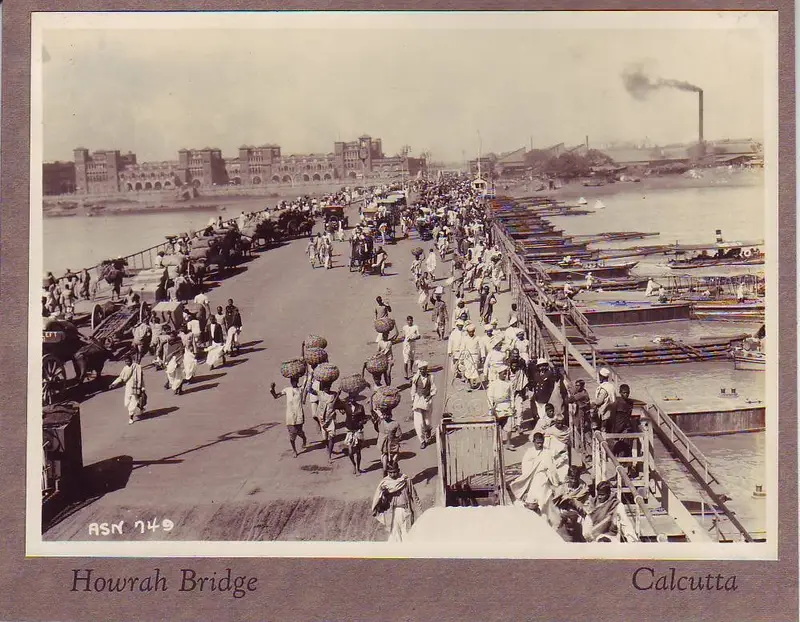
Howrah Bridge, opened in 1943, is a 705 m steel bridge over the Hooghly with no pillars in the river. Around 100,000 vehicles and more people on foot cross it every day. Under its Kolkata end, Mullick Ghat is a huge wholesale flower market, with mountains of marigolds, and bathers at the ghat steps.
In the 1-day planPhoto: Antaroop2010, CC BY-SA 4.0
St John's Church and Dalhousie Square
45 min
Colonial heritage
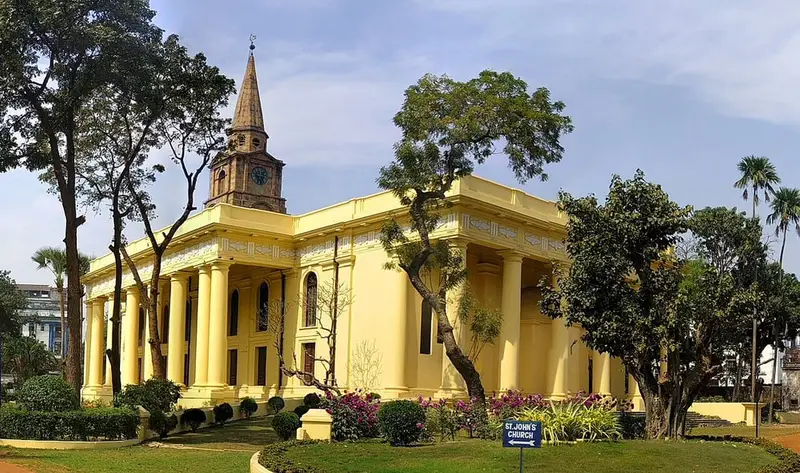
Kolkata's old British business district, round a big square tank now called BBD Bagh. St John's Church (1787) was the first cathedral of British India; in its grounds is the tomb of Job Charnock, said to have founded Calcutta, and a memorial to the Black Hole. Writers' Building, the GPO and the Royal Insurance building line the square.
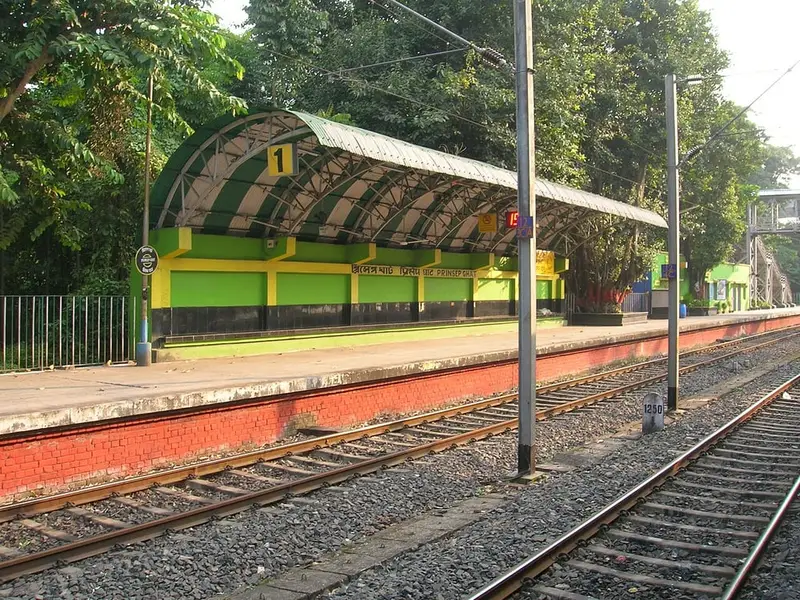
A white Greek-style pavilion from 1843 on the river bank, in memory of James Prinsep, the scholar who first read the Ashoka inscriptions. It sits under Vidyasagar Setu, the long cable bridge, and is the city's favourite place to watch the sun go down over the Hooghly.
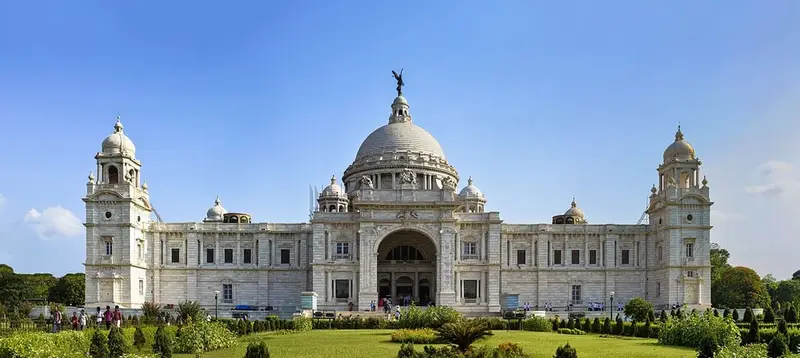
Kolkata's best-known building, a white marble hall finished in 1921 in memory of Queen Victoria, when Calcutta was the capital of British India. Inside are galleries of paintings, maps and objects from the colonial years. The gardens around it, with ponds and statues, are a city favourite for a walk.
In the 1-day planPhoto: Ankitesh Jha, CC BY-SA 3.0
St Paul's Cathedral
30 min
Colonial heritage
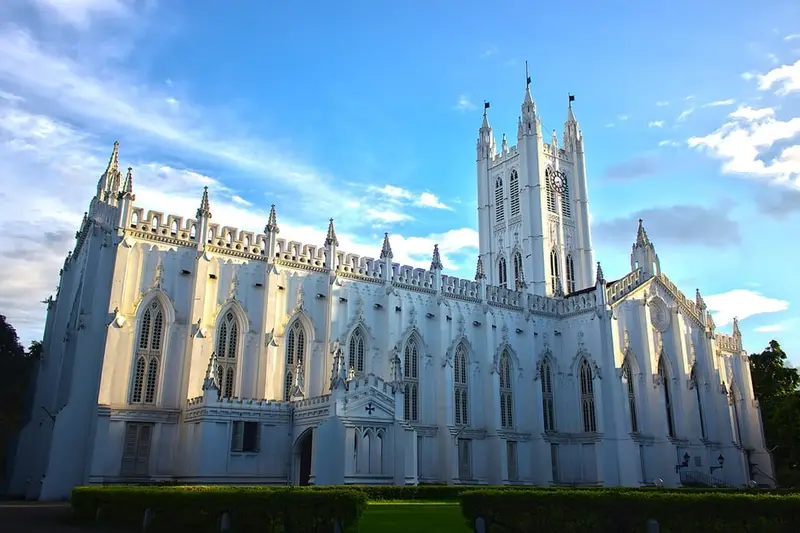
A Gothic Revival cathedral from 1847, next to the Victoria Memorial. It has a tall white spire, a stained glass window by Burne-Jones, and frescoes inside. At Christmas it is crowded for the midnight service.
Not in our plans. Add it if you have time.Photo: Biswarup Ganguly, CC BY 3.0
Indian Museum
1 h 30 min
Museums
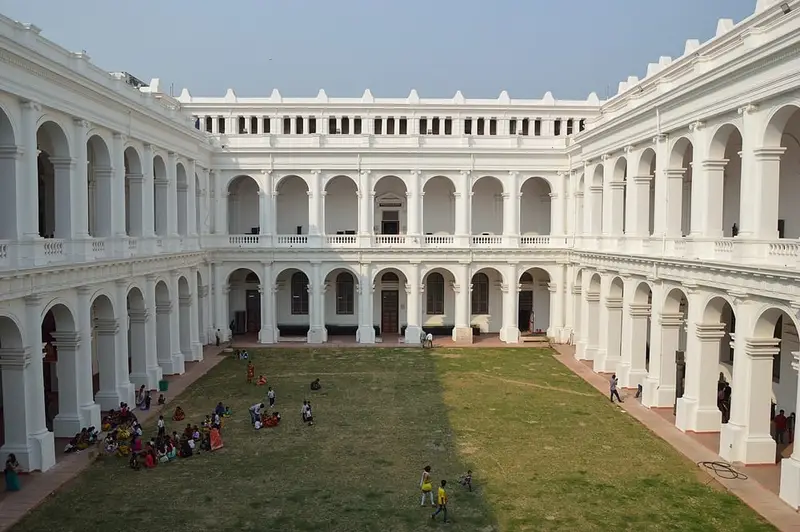
The oldest museum in India, founded in 1814. It has an Egyptian mummy, the carved railings of the Bharhut stupa, Gandhara Buddhas, fossils, meteorites and a huge hall of stuffed animals. You can easily spend a morning here.
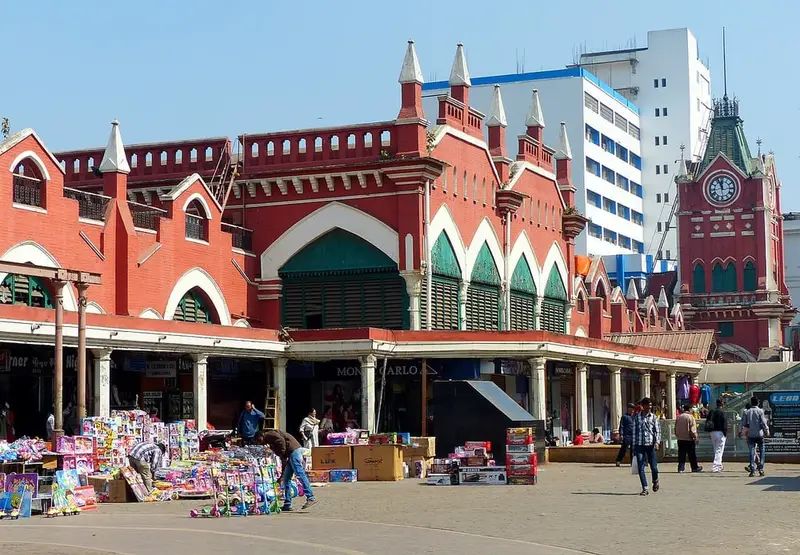
A red-brick Victorian market hall from 1874, also called Hogg Market, with more than 2,000 stalls of clothes, leather, spices and household goods. Nahoum's bakery inside has made cakes since 1902.
Not in our plans. Add it if you have time.Photo: flowcomm, CC BY 2.0
Mother House
45 min
Temples and places of worship
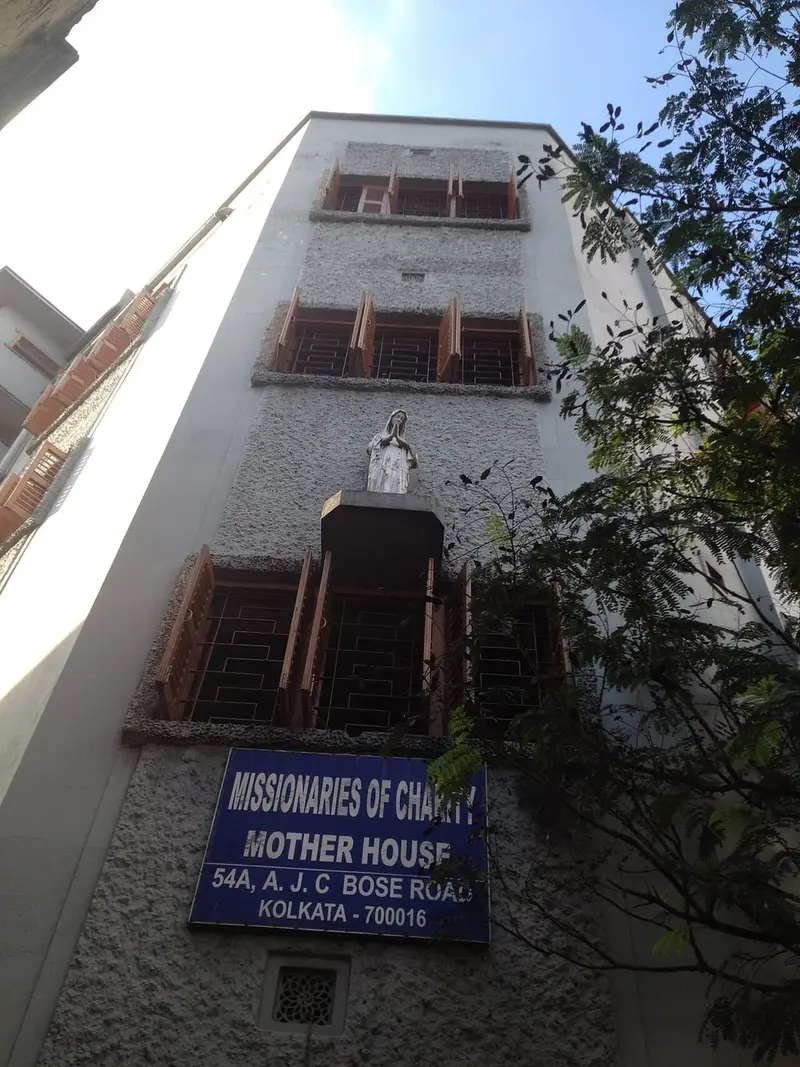
The home of the Missionaries of Charity, the order Mother Teresa founded in Kolkata in 1950. Her tomb is on the ground floor, and her small bare room and a museum of her life are upstairs. It is still a working convent.
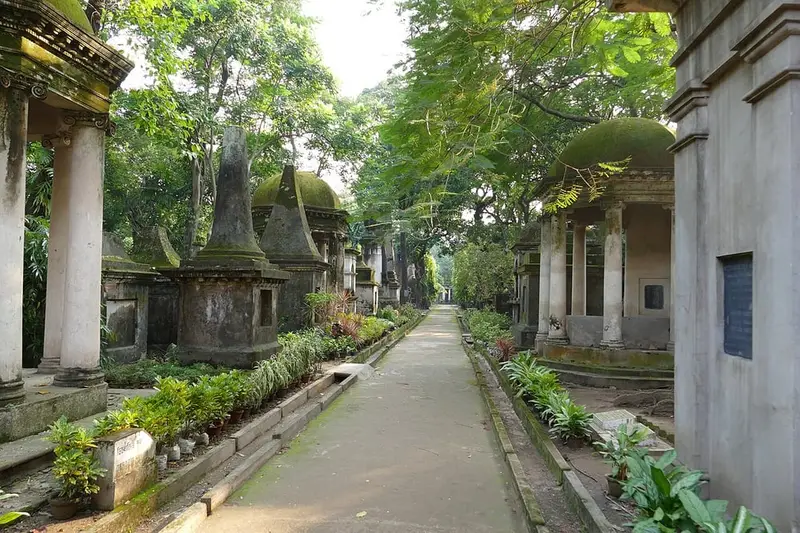
One of the oldest Christian cemeteries outside Europe, opened in 1767. Tall obelisks, domes and pyramids of British officers and their families stand among old trees. Sir William Jones, who founded the Asiatic Society, is buried here.
Not in our plans. Add it if you have time.Photo: Hiroki Ogawa, CC BY 3.0
Kalighat Kali Temple
1 h
Temples and places of worship
One of the 51 Shakti Peethas, where Hindus believe a toe of the goddess Sati fell. The present temple is from 1809, but the place is much older and may have given Kolkata its name. The Kali image has a long gold tongue and three eyes.
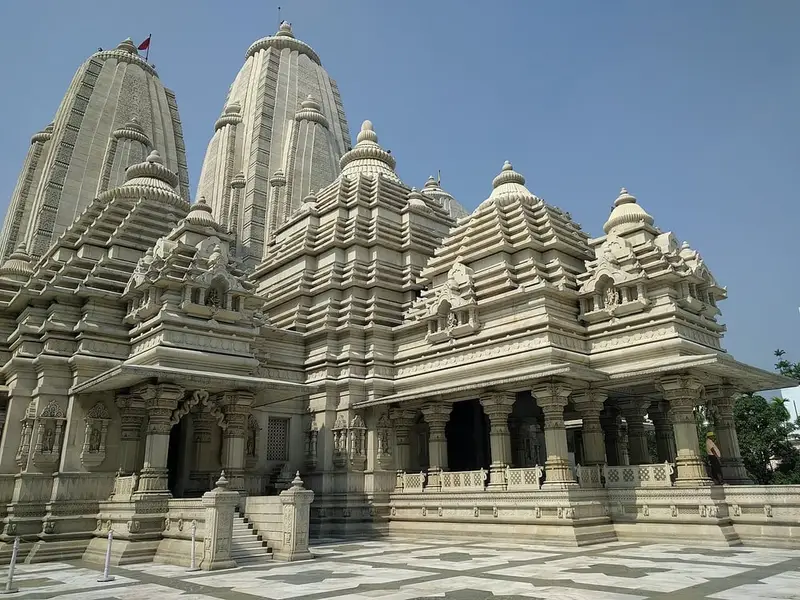
A white marble temple to Radha and Krishna in Ballygunge, built by the Birla family and opened in 1996. Its design follows the Lingaraj temple of Bhubaneswar, and the carving took more than 20 years.
Day 2 of the 2-day planPhoto: Pinakpani, CC BY-SA 4.0
Netaji Bhawan
45 min
Museums
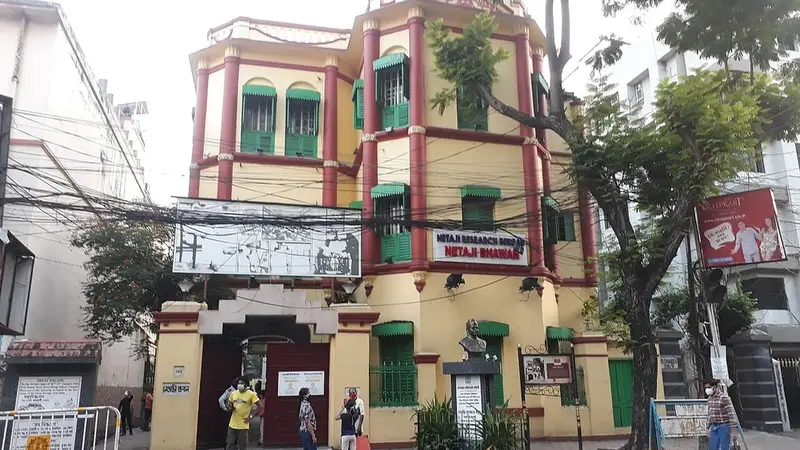
The family home of Subhas Chandra Bose, the freedom fighter called Netaji. In 1941 he escaped house arrest from here in disguise. His bedroom is kept as it was, and the car he escaped in, a German Wanderer, stands in the porch.
India's oldest zoo, opened in 1876. It has white tigers, giraffes, rhinos and a reptile house, and in winter thousands of migratory birds stop on its lake.
Not in our plans. Add it if you have time.Photo: Biswarup Ganguly, CC BY-SA 3.0
Science City
2 h 30 min
Museums
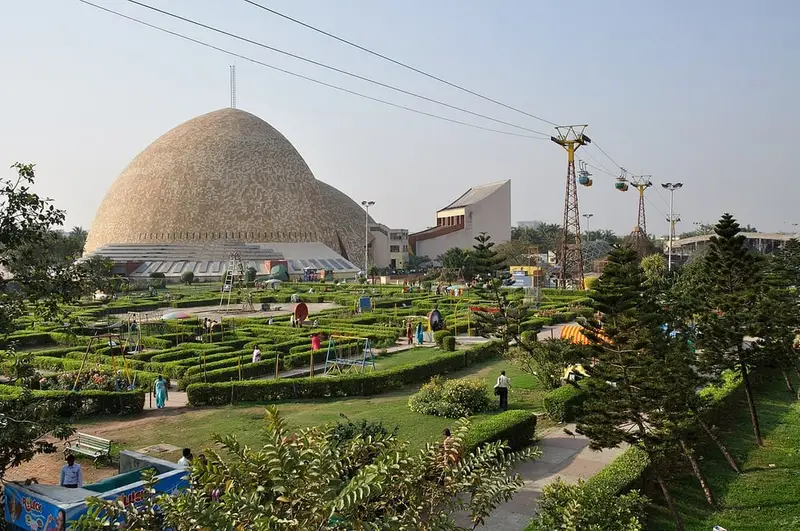
India's largest science centre, on the EM Bypass. There is a dome theatre, a dinosaur park, an evolution ride, a space theatre and a ropeway over the grounds. Good for a few hours with children.
Not in our plans. Add it if you have time.Photo: Sayandeb5152, CC BY-SA 3.0
Eco Park
2 h
Parks and gardens
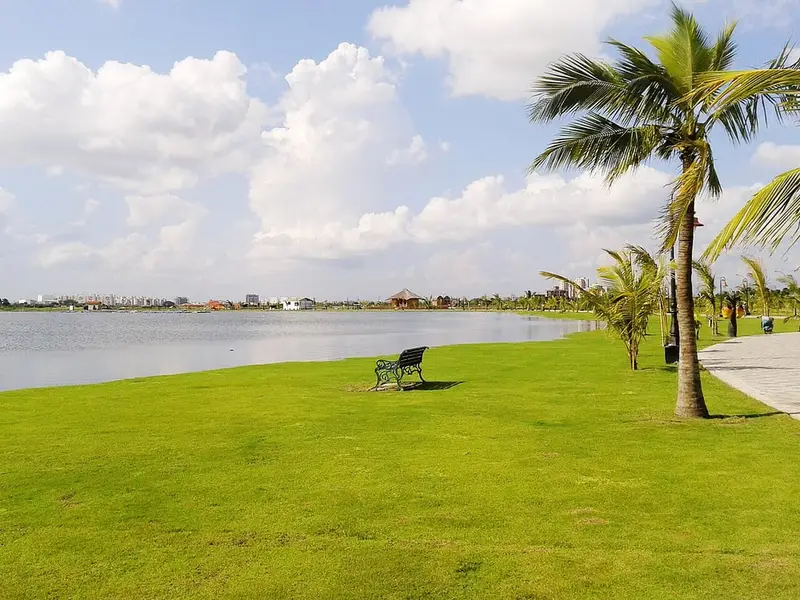
A 480-acre park round a lake in New Town, opened in 2012. The best-known part is the Seven Wonders, small copies of the Taj Mahal, the Eiffel Tower and others. There are boats, cycles, a toy train and food stalls.
Not in our plans. Add it if you have time.Photo: Subhrajyoti07, CC0
Mother's Wax Museum
45 min
Museums
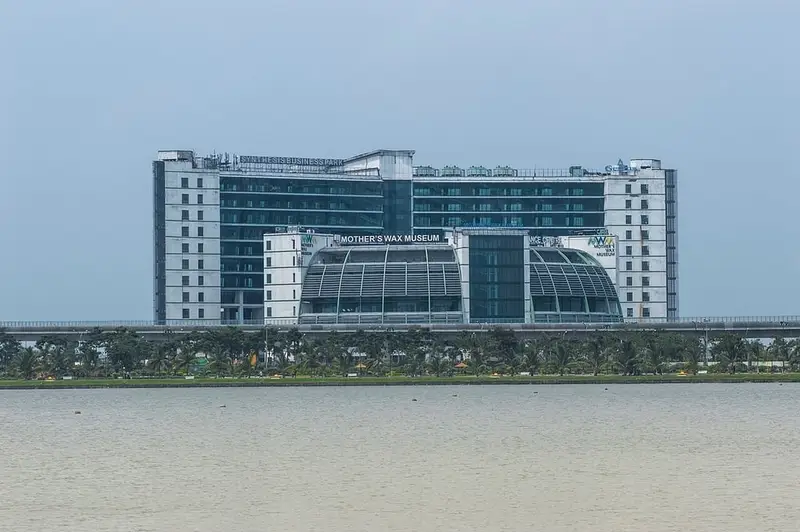
Wax figures of famous Bengalis and others, from Tagore, Vivekananda and Mother Teresa to Satyajit Ray, Sourav Ganguly and Shah Rukh Khan.
Not in our plans. Add it if you have time.Photo: Biswarup Ganguly, CC BY 3.0
Botanic Garden and the Great Banyan
1 h 30 min
Parks and gardens
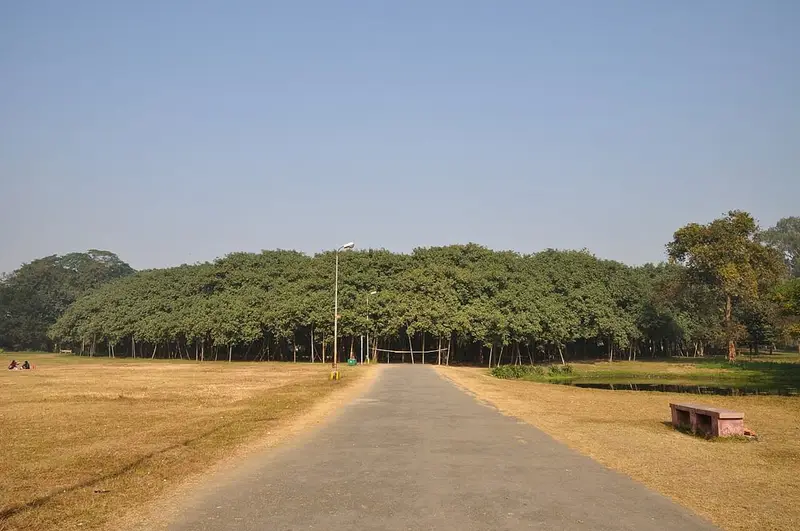
A 270-acre garden on the Howrah bank of the Hooghly, laid out in 1787. Its star is the Great Banyan, about 250 years old, whose 3,000 aerial roots make it look like a whole forest; the main trunk was removed in 1925 after a fungus attack.
Not in our plans. Add it if you have time.
Questions people ask
How many days do you need for Kolkata?+
Two days for the city: one for the river temples and north Kolkata, one for Kalighat, Mother House, the Victoria Memorial and the museums. One long day covers the highlights. Add a day for Science City and Eco Park, or the Botanic Garden.
Which Kolkata sights are closed on some days?+
On Mondays: the Victoria Memorial galleries, the Indian Museum, Jorasanko Thakur Bari, Netaji Bhawan, the Botanic Garden, Eco Park and Mother's Wax Museum. On Thursdays: Mother House, the Marble Palace and Alipore Zoo. On Sundays: New Market and most College Street bookstalls.
What are the Victoria Memorial timings?+
The museum galleries are open 10:00 to 17:00, closed on Mondays. The gardens are open every day, about 05:30 to 18:00. A light and sound show runs in the evening, except on Mondays and from July to September.
What are the Dakshineswar Kali Temple timings?+
06:30 to 12:30 and 15:30 to 19:30 every day. Phones and bags are left at the counter by the gate.
What are the Belur Math timings?+
About 06:30 to 11:30 and 16:00 to 20:30 (it reopens at 15:30 in winter). Photos are not allowed inside the temple. The evening arati is at sunset.
What are the Kalighat Kali Temple timings?+
About 05:00 to 14:00 and 17:00 to 22:30 every day. Tuesdays and Saturdays are the busiest. Temple priests offer quick entry for money; agree a price or say no.
Where should I stay in Kolkata?+
Park Street and the streets round it (Mirza Ghalib Street, Sudder Street, Camac Street) are central, with hotels for every budget and the best-known restaurants. The plans start there. Salt Lake and New Town are closer to the airport but far from the old sights.
When is the best time to visit Kolkata?+
October to February, when it is cool and dry. Durga Puja in September or October is the city's biggest festival: amazing pandals, but very heavy traffic. April to June is hot and humid, and the monsoon (June to September) brings waterlogged roads.
Can I see Science City and Eco Park?+
Yes, on a separate half day. Both are in the east, near Salt Lake and New Town, away from the old sights. Science City is open every day; Eco Park and Mother's Wax Museum next to it are shut on Mondays and open from about 12:00.
Can I visit Eden Gardens?+
Only from outside unless there is a match. Going in needs permission from the Cricket Association of Bengal. It is on the Maidan, a short drive from the Victoria Memorial.