Araku's main sights fit in one day by cab: the wooden bridge at Sunkarametta and the Galikonda viewpoint in the morning, the Borra Caves when they open at 10:00, then the Tribal Museum, the Coffee Museum and Padmapuram Gardens in town, about 84 km in all. A second morning adds the sunrise over the clouds at Madagada, the Chaparai cascade and the pine trees at Anjoda.
8 placesroutes from road routing, timed against opening hours
How many days do you need?
Each plan is a real route by cab, timed against opening hours.
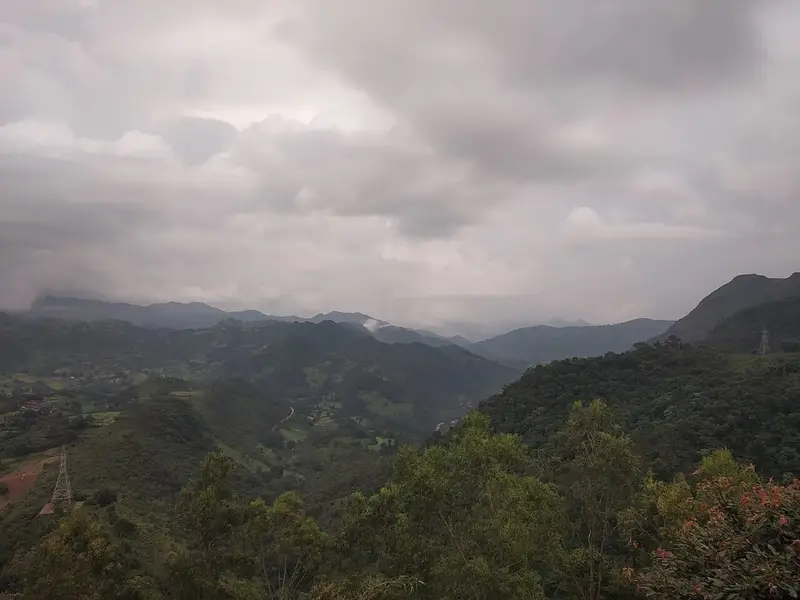
Two stops 1 km apart on the main road, about 14 km before Araku. At Sunkarametta a 120 m wooden bridge runs through the treetops of a coffee and silver oak plantation, as part of a short forest walk. Just down the road, the Galikonda viewpoint looks over the Ananthagiri hills from about 1,300 m, among the highest points of the old Visakhapatnam district.
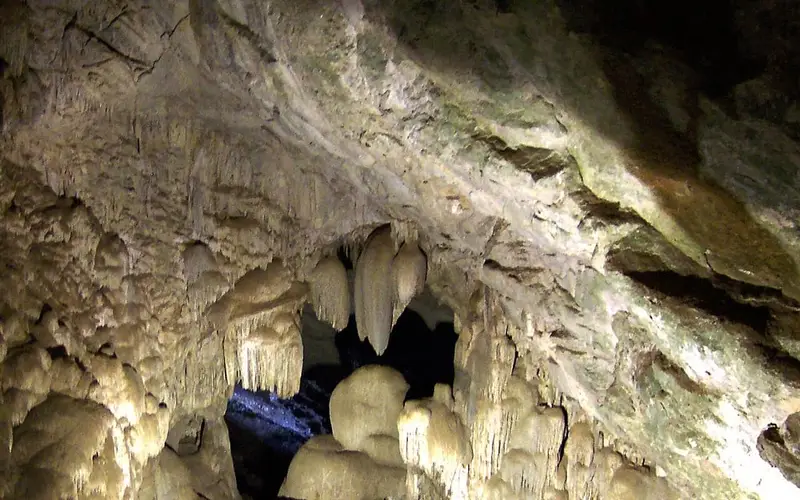
Huge limestone caves in the Ananthagiri hills, among the largest in India, found by William King of the Geological Survey in 1807. Steps lead down into tall chambers full of stalactites and stalagmites, lit in colours, with a stream running through. Local people see a natural stone shape inside as a Shiva lingam, and there is a small shrine.
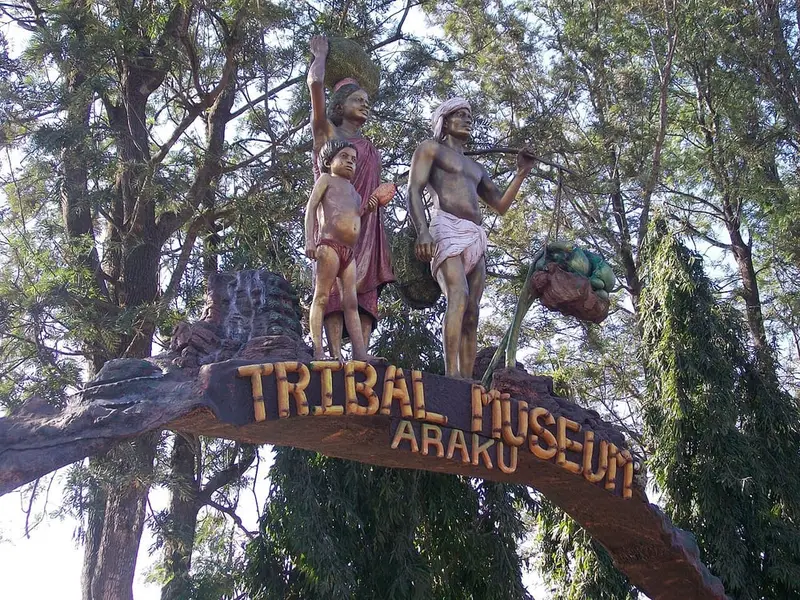
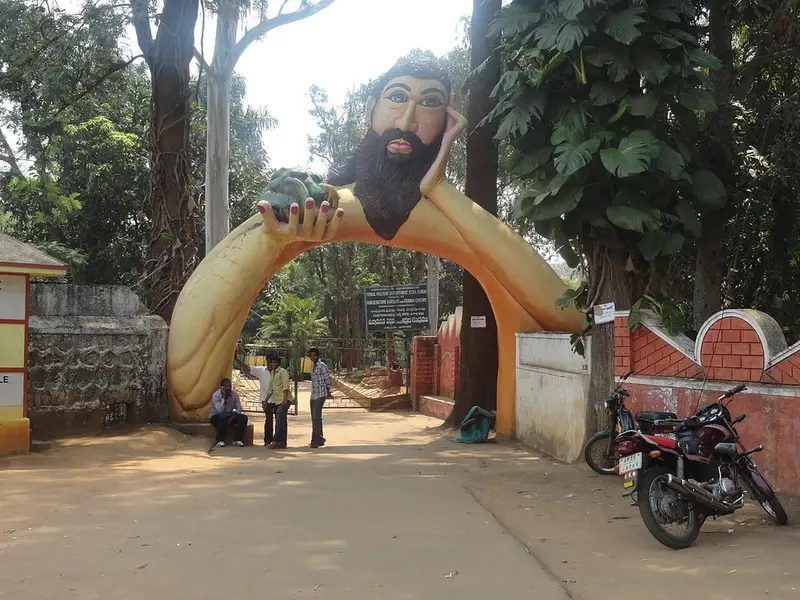
A museum in the middle of Araku about the hill tribes of the Eastern Ghats, who make up most of the valley's people. Life-size clay figures show their homes, farming, hunting, weddings and the Dhimsa dance, with their tools, jewellery and musical instruments. The garden around it has shops selling tribal crafts and Araku coffee.
In the 1-day plan
Araku Coffee Museum
30 min
Museums
A small museum on how coffee came to the Araku hills and how it is grown and roasted here, mostly by tribal farmers. The best part is the café, with fresh Araku coffee and coffee chocolates.
A 26-acre garden on the edge of Araku, first planted in 1942 to grow vegetables for soldiers in the Second World War. Today it is a plant nursery with a rose garden, tall old trees, huts built up in the branches and a toy train round the grounds.
In the 1-day plan
Madagada Sunrise Point
1 h 15 min
Hills, gardens & waterfalls
A hilltop near Madagada village where you stand above a sea of cloud as the sun comes up over the hills. There are two lookouts, one close to the parking area and one a longer walk on. Tribal women sell tea and rent out traditional dress for photos.
Day 2 of the 2-day plan
Chaparai Water Cascade
45 min
Hills, gardens & waterfalls
A stream that tumbles over a wide spread of flat rocks in a forest about 13 km past Araku, a favourite picnic spot. The water is shallow in places and fun to wade.
Day 2 of the 2-day planPhoto: Drashokk, CC BY-SA 4.0
Araku Pinery
45 min
Hills, gardens & waterfalls
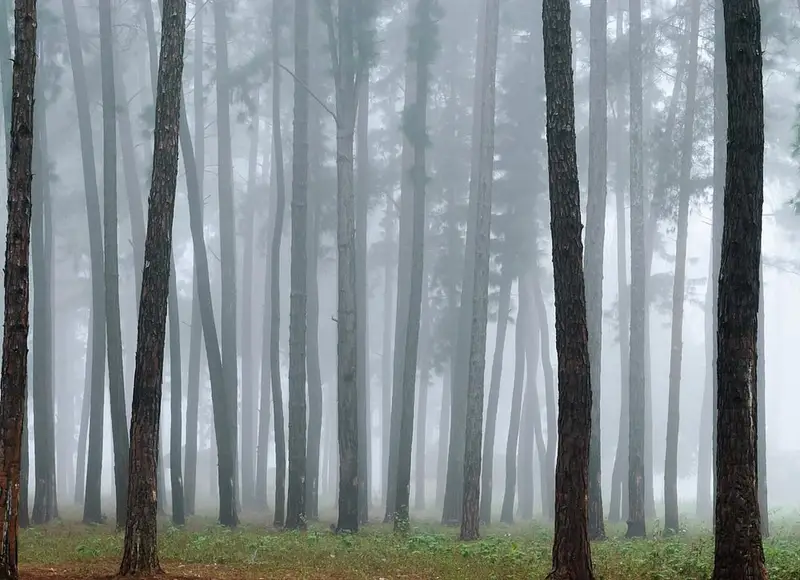
Rows of tall pine trees planted in the 1970s on the old Anjoda silk farm, just outside Araku. It is a quiet place for a walk and photos, with tents for people who want to camp the night.
One day by cab covers the Borra Caves, the Galikonda viewpoint, the wooden bridge and the museums. Two days lets you see the sunrise at Madagada and the Chaparai cascade, without rushing.
What are the Borra Caves timings?+
10:00 to 17:00 every day. Tickets are about ₹60 for adults and ₹45 for children, with a charge for cameras. The ticket counter may close for lunch, about 13:00 to 14:00.
What are the Araku Tribal Museum timings?+
About 10:00 to 17:00 or 18:00 every day; listings differ, and a few name a weekly closed day, so check before a long trip. Entry costs a few tens of rupees.
What is the best time to visit Araku Valley?+
October to February, for cool days and misty mornings; December and January are the busiest. The monsoon, June to September, has the fullest waterfalls but a slow ghat road.
How far is Araku from Visakhapatnam?+
About 121 km by road, through S. Kota and the Ananthagiri ghat. Plan on 3 to 3.5 hours by cab, more on winter weekends.
Can a car reach the Katiki waterfalls?+
Not all the way. Jeeps run from Gatevalasa, then there is a 20 to 30 minute slippery walk. It is not in these plans.
Is the Araku glass train worth it?+
The Vistadome coaches on the morning train from Visakhapatnam give the best views of the tunnels and bridges, which you can't see from the road. Many people take the train up and a cab back.